
Luxury: Motion as Legacy, or The Mastery of Relevance

Look around you. What has actually stayed with you? What has survived the passage of time, not in the abstract, but across the specific terrain of your own life?
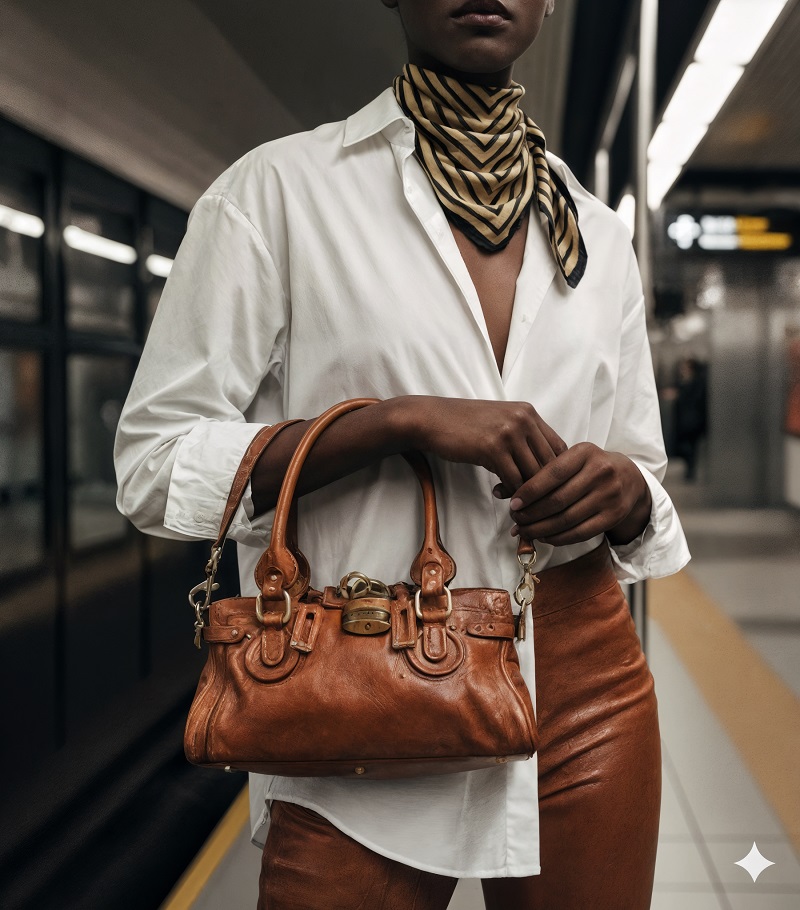
I found myself thinking about this while watching someone ahead of me in the subway adjust a bag she seemed to have bought decades ago, long before it came back into fashion. Not vintage in the curated sense, simply used. Cherished. It wasn’t on trend then, and it didn’t need to be now. It had survived.
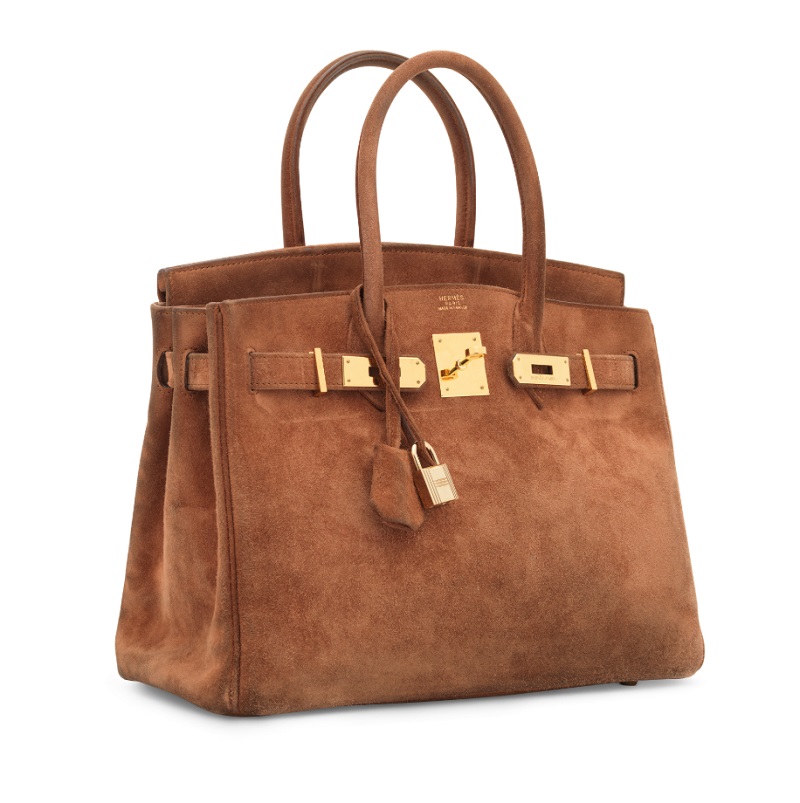
Image Sources: Press Office
I slipped back to another era. I thought of my own copper, medium-sized Balenciaga motorcycle bag. Bought years ago. Still with me. Not resurrected by fashion’s return to the early 2000s, but carried straight through it, along with the confidence of that period, the future I imagined then, the hopes I never needed to name.
In that small, almost unconscious gesture, I recognized something familiar: maturity. The quiet realization that harmony isn’t about staying the same, but about allowing change without losing coherence.
Luxury brands that endure have always navigated this tension. As technology accelerates, Gen Z rewrites the grammar of value, and markets grow impatient with anything that feels incoherent or irrelevant, the margin for error narrows. The brands that survive earn a place in our lives beyond ownership; they offer belonging, resonance, and continuity. Timelessness, in this sense, is not immobility. It is motion with memory.
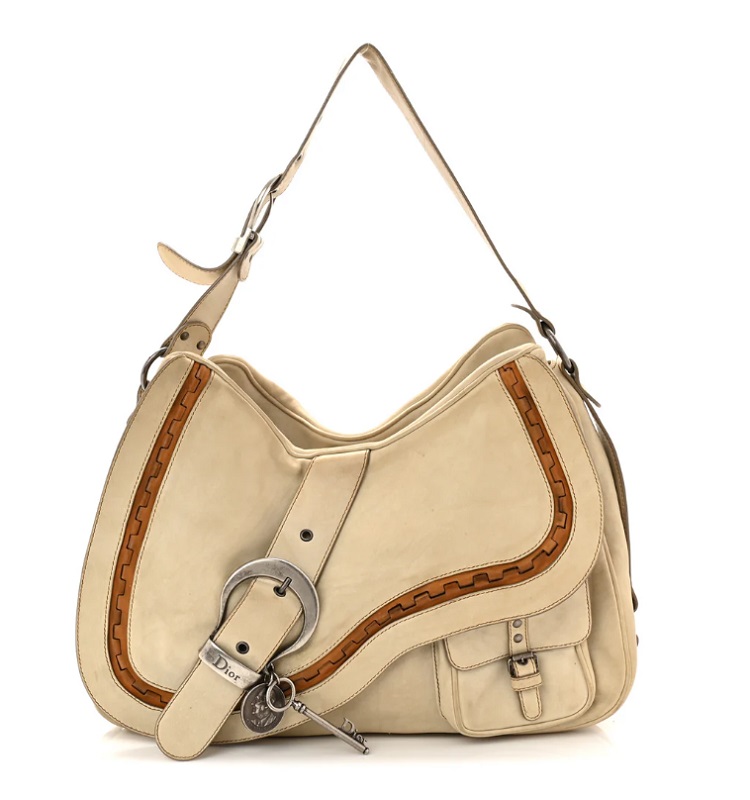
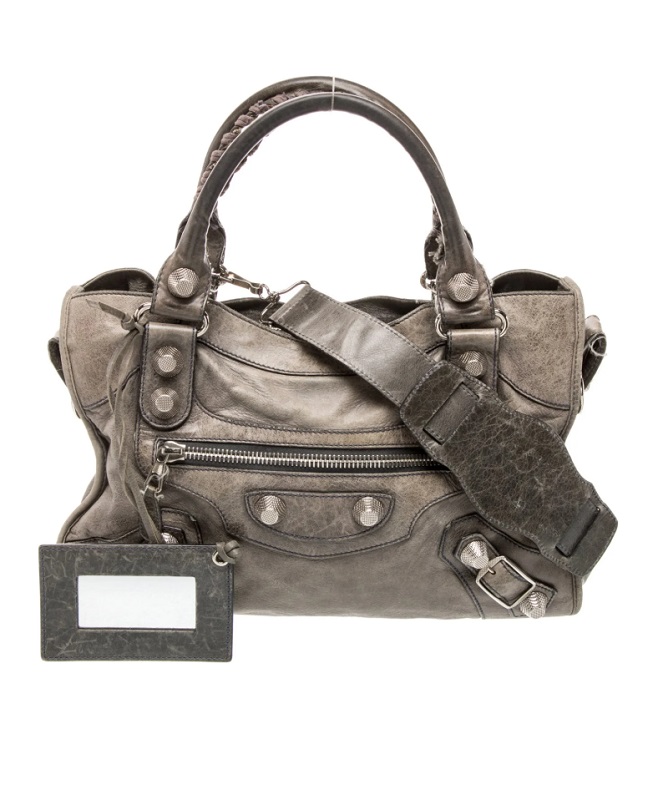
Image Sources: Press Office
And legacy, contrary to popular belief, is not an inherited artifact meant to be sealed, protected, and left untouched. It is a responsibility, one that must be managed, challenged, and reinterpreted with discipline and finesse. Today, when cultural, economic, and technological shifts converge at high speed, the space for getting this wrong has never felt smaller.
1. How Does Luxury Remain “Timeless” in a World That Changes Too Fast
Timelessness in luxury has long been misread as immobility. The myth suggests that what endures must remain unchanged; that heritage is something to be sealed off from velocity. History says otherwise. Luxury has never survived by standing still. It survives by moving deliberately. As Jean-Noël Kapferer argues, luxury must belong to its era while refusing urgency. Timelessness is not a refusal of time, but a different contract with it.
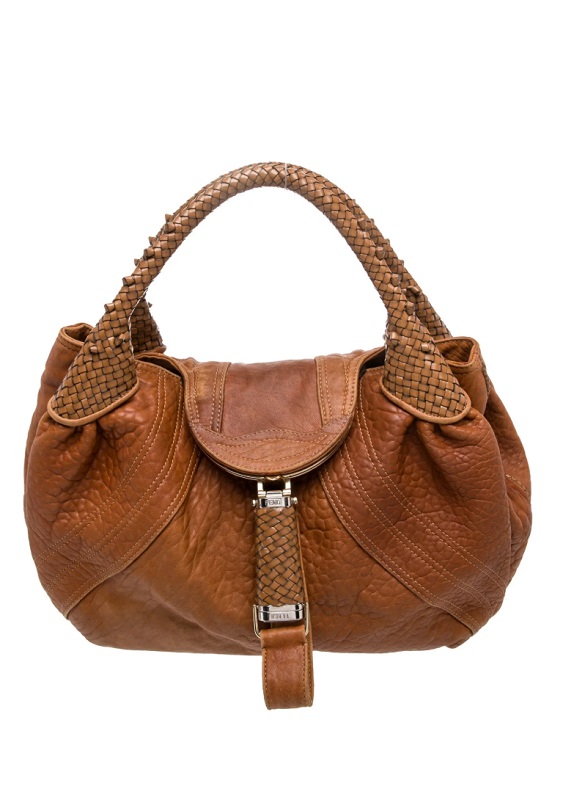
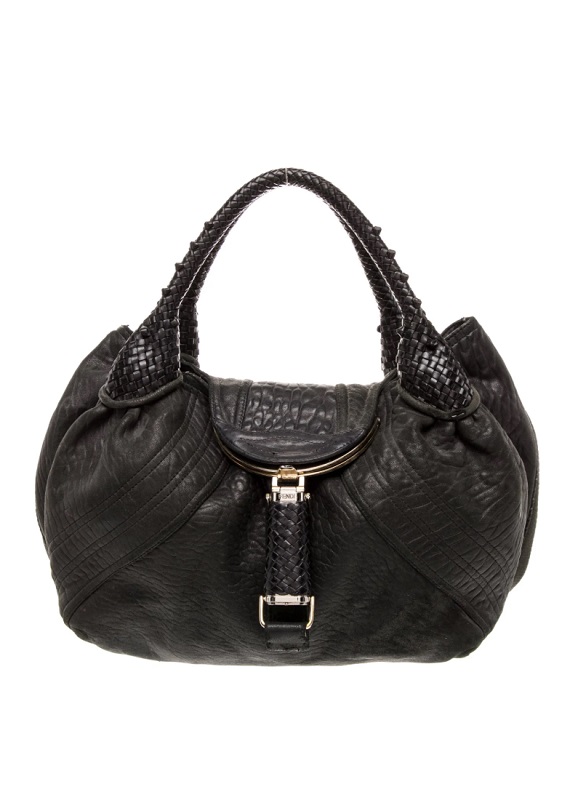
Image Sources: Press Office
In an accelerated world, static heritage is fragile. The task is not to escape acceleration, but to translate it. Houses that endure treat heritage as living grammar, a system of codes that can be conjugated across eras without losing meaning. Tradition becomes a strategic resource, activated and reinterpreted rather than repeated.
This reframes the stakes. Timelessness is not resisting entropy. It is mastering continuity. Brands must accept that time will move through them and decide, with precision, how. Motion becomes an ethical responsibility: transmitting meaning across generations without freezing it in yesterday’s language.
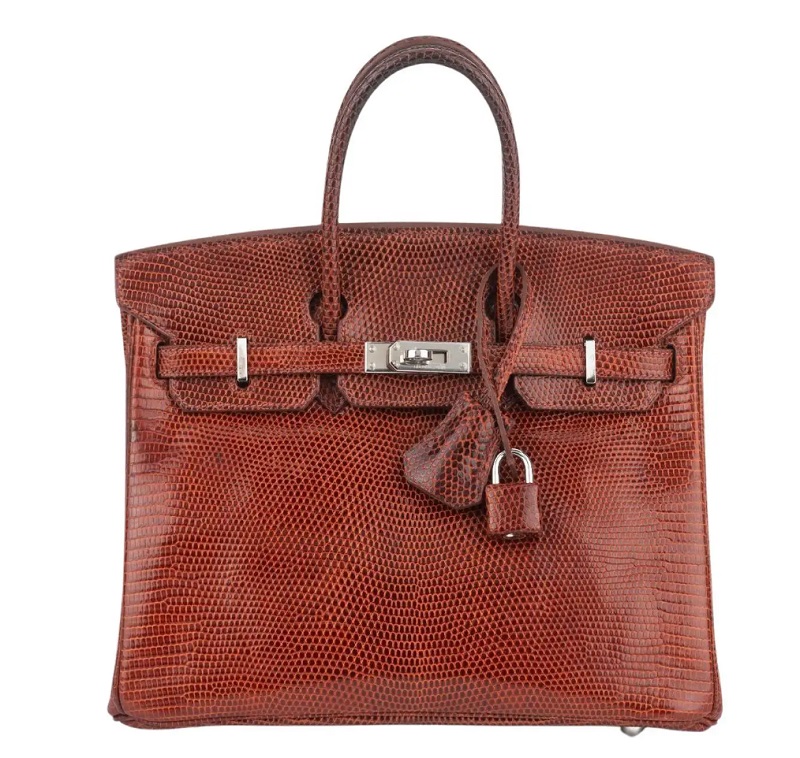
Image Sources: Press Office
2. How Can Luxury Innovate Without Fracturing DNA
If timelessness is the why, coherence is the how. Continuous innovation does not endanger DNA. Indiscipline does. The risk is not movement, but unmanaged movement.
Call it the relevance equation. It is a brand’s capacity to absorb change while keeping its codes legible. Sociologist Lucien Karpik calls these codes judgment devices: narratives, symbols, and reputations that help people recognize value under uncertainty. Innovation is not destabilizing so long as these devices remain intact.
Data backs the practice without needing the deck. Recent research points to heritage storytelling paired with selective adaptability as the strongest predictor of sustained growth. Not sheer scale. Not speed. When innovation is governed, it becomes legacy’s custodian. Over time, disciplined motion becomes legacy.
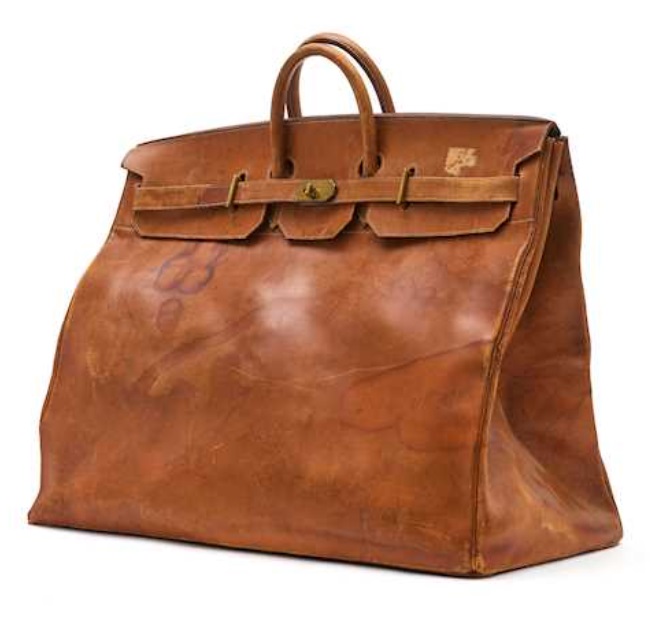
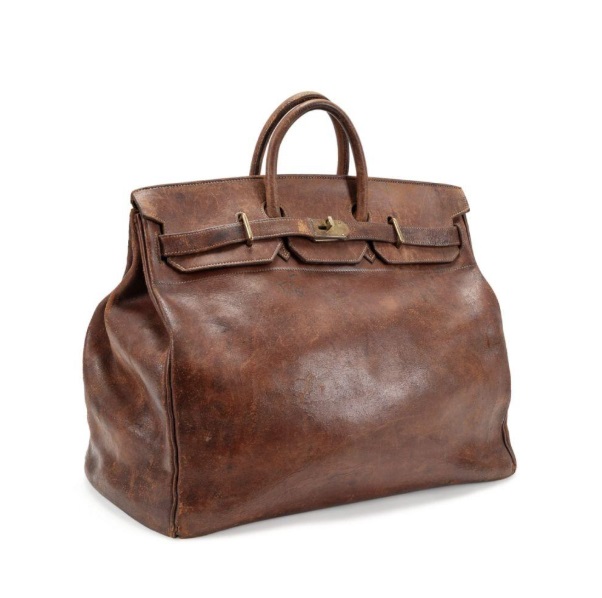
Image Sources: Press Office
3. The Pressure of Motion: How Much Can Luxury Absorb Without Losing Coherence
Luxury often speaks of flexibility, expansion, and relevance. The harder question is not how fast to move, but how much motion a house can withstand without losing coherence. Motion carries load. Pressure appears when movement accumulates faster than structures can recalibrate. Stretch a system gently and it adapts. Apply motion unevenly or without alignment and even the most beautiful structure warps. What fails is not ambition, but integrity.
Confusion is the hazard. Reach replaces resonance. Visibility replaces belonging. Movement replaces meaning.
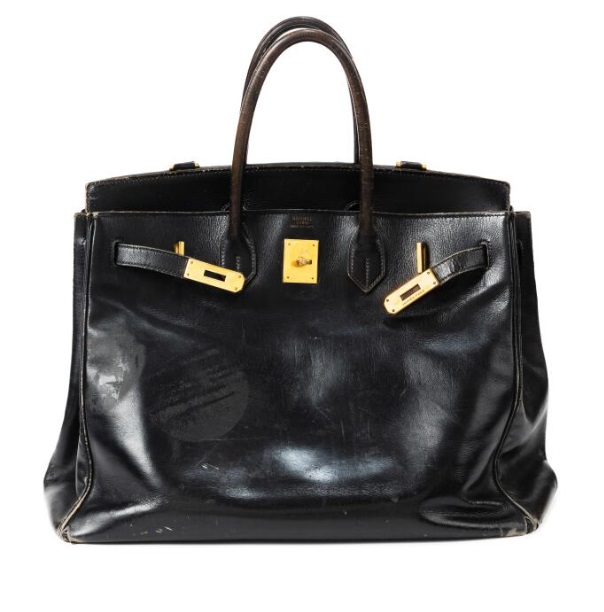
Image Sources: Press Office
Some houses make discipline visible through refusal. Hermès proves that saying no can be strategy. Expansion follows what its making logic can sustain, so coherence becomes equity.
Others show the cost of motion without structure. Burberry’s check once dissolved into ubiquity. Recovery came from re-centering before speed returned.

Even creative excellence needs a bridge. When a house shifts language too quickly, audiences lose the thread. Gucci’s recent transitions show the challenge. The issue is not creativity, but legibility.
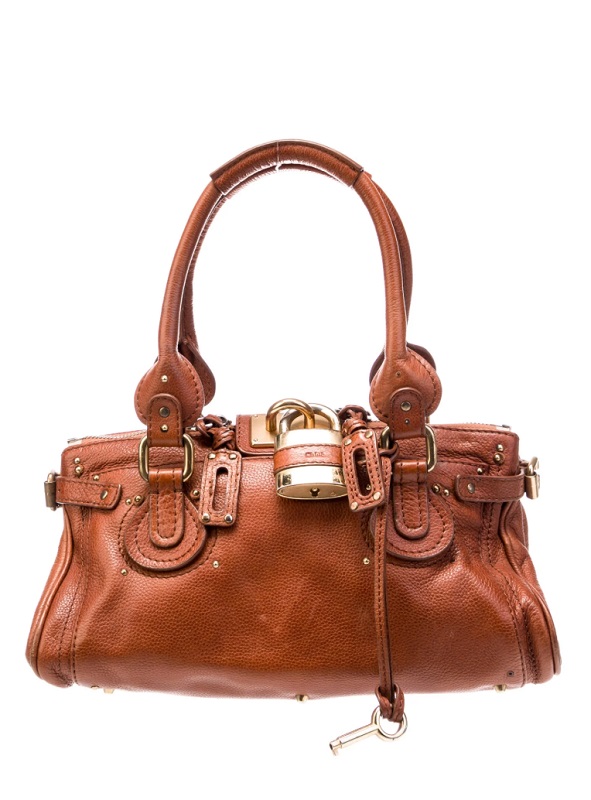
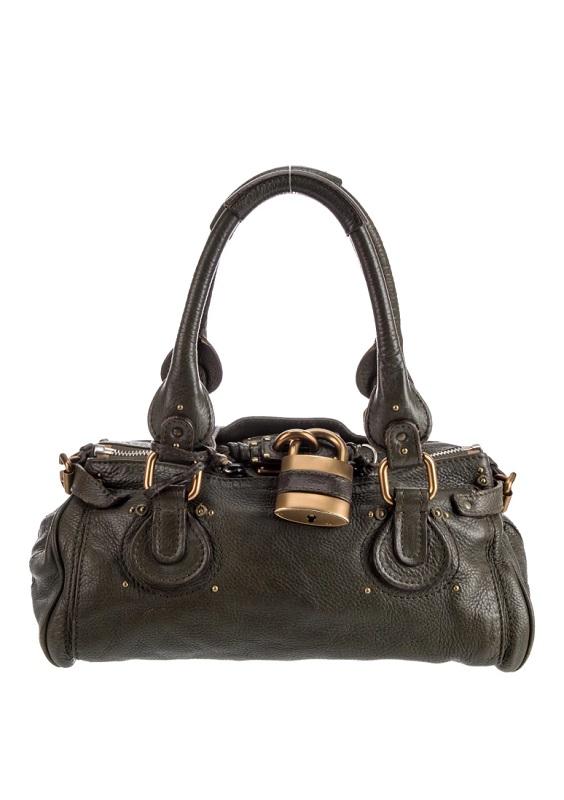
Image Sources: Press Office
Technology adds quieter pressure. AI can sharpen forecasting, clienteling, and personalization. The moment efficiency shows up where intimacy should be, the relationship thins. Operational motion is welcome only while it stays unseen.
Conclusion
Luxury, at its best, cannot survive incoherence. When it mistakes inertia for preservation, it fades. When it treats motion as stewardship, it endures.
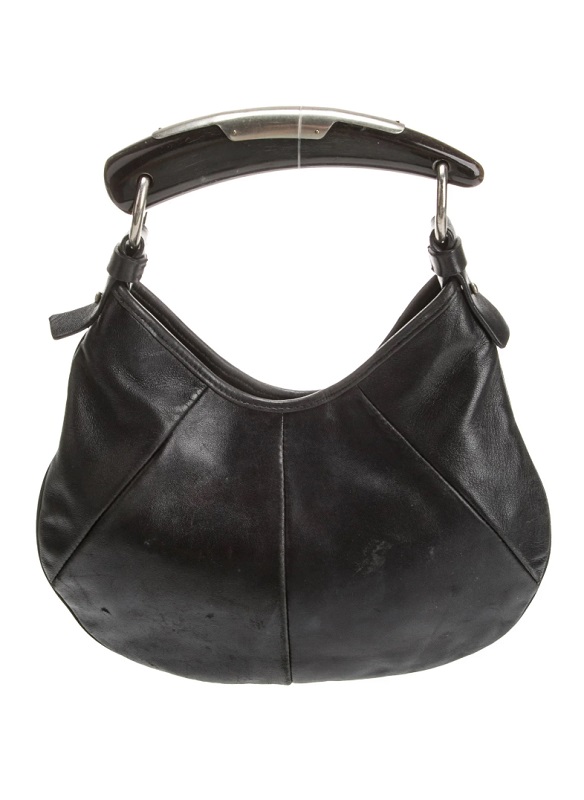
Image Sources: Press Office
So the human question remains. What has stayed. What has moved through our chapters without losing itself, and without leaving us.
Maybe that is where brands matter now. Not as trophies, but as companions. Objects we return to. Places we trust. Rituals that steady us as we change. The most enduring brands do not offer escape. They offer continuity. Not distraction, but reassurance a sense that where we are going still aligns with who we are becoming.
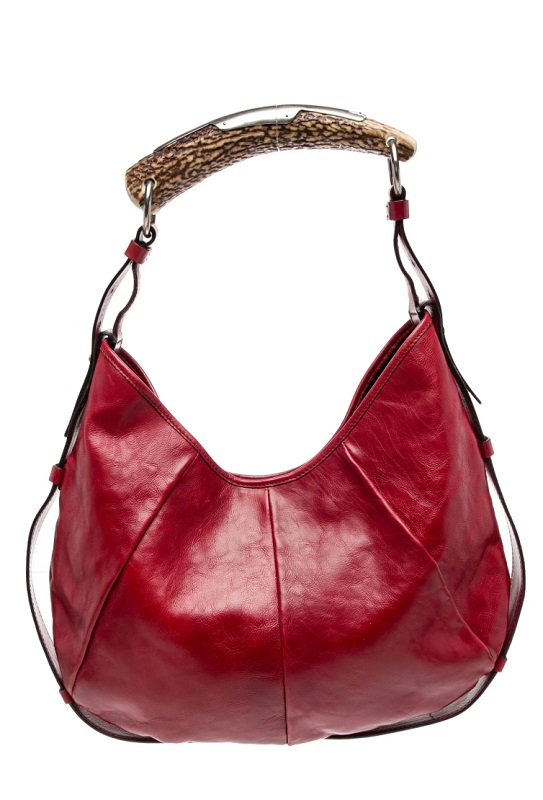
Image Sources: Press Office
And that may be the modern responsibility of luxury: not simply to be desired, but to be worthy of the lives it is invited into.
References

What's Your Reaction?

