
I Ate a Palette

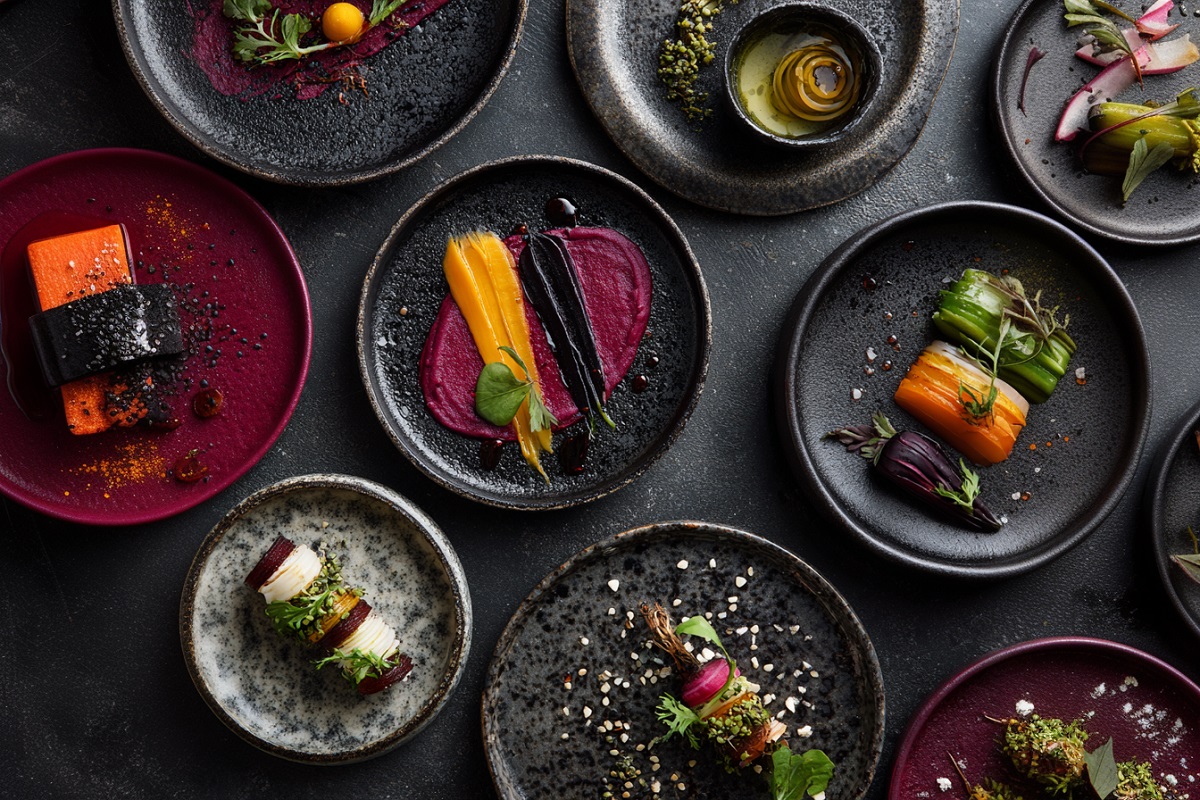

Color hits you before the first bite. Not in a “cute plating” way, more like a full sensory takeover. Steam, citrus, toasted sesame, something green and sharp in the air. You’re sitting there thinking you’re about to have dinner, and then the first dish lands and you realize, oh… this is a tasting built like a playlist. No speeches. No gimmicks. Just natural pigments, Aroma Echo, and knife work so precise it feels personal.
It starts almost disrespectfully simple. A pale broth, clean bowl, no distractions. The kind of opener that makes you wonder if you got played. Then you taste it and yeah, no. Rice broth warmed with kombu, a tiny hit of yuzu, ginger cut thin enough to behave. It tastes like softness with structure. Like someone took “subtle” seriously and refused to apologize for it.
Then the pigments begin, and they don’t arrive like confetti. They show up like mood.
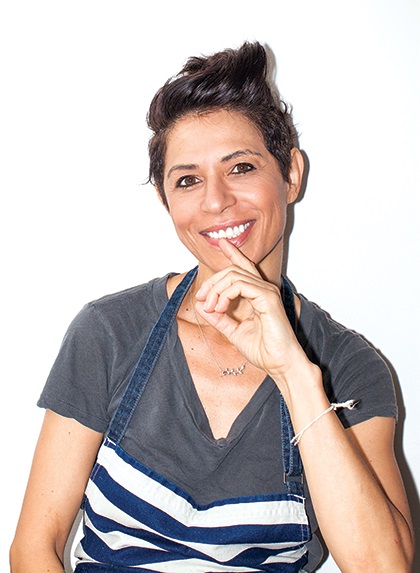
Image Source: Kelsey McClellan
Beet comes in dark and mineral, pushed brighter with blood orange so it feels sharp, not sweet. A green oil made from carrot tops and parsley gets brushed across the plate like a stylist laying down one clean line and walking away. Charred leek ash draws a black stroke that tastes bitter in the best way, like espresso without the sugar crutch. Purple sweet potato turns into velvet with a smoky edge. Turmeric appears, but it behaves, because turmeric can take over a room if you let it. Saffron gives warmth like late sun. Matcha stays grassy and focused. Even butterfly pea flower makes a cameo, shifting when citrus touches it, a quiet little chemistry flex that doesn’t need to wink at you.
And you can feel the chef’s mentality in the choices. There’s a certain confidence you see in people like Dominique Crenn and Massimo Bottura, where restraint becomes the flex, not the garnish. There’s also that vegetable-first clarity you associate with Alain Passard, where ingredients do the talking because the chef knows when to stop.
Then the room changes, but nobody announces it. Aroma Echo slides in.
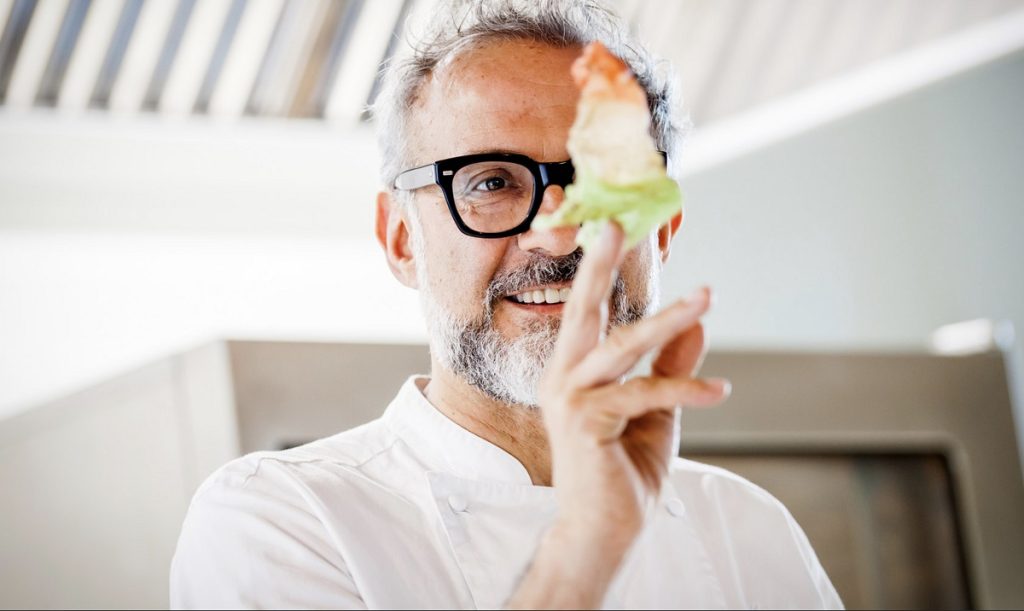
Image Source: https://osteriafrancescana.it/massimo-bottura/
Not perfume. Not candles. Nothing that screams “concept dinner.” It’s more like a second track underneath the food. Warm rice steam lifts the broth and makes it taste bigger. Hinoki and cedar hover near grilled maitake and suddenly you’re thinking of wood and smoke and clean hands, without anyone selling you a narrative. White tea and bergamot sharpen a raw course, like turning the brightness up. Iris and ambrette drift in near anything creamy and it feels skin-close, intimate, not dessert-sweet. Salt air passes through when oysters hit the table and it reads briny, metallic, real.
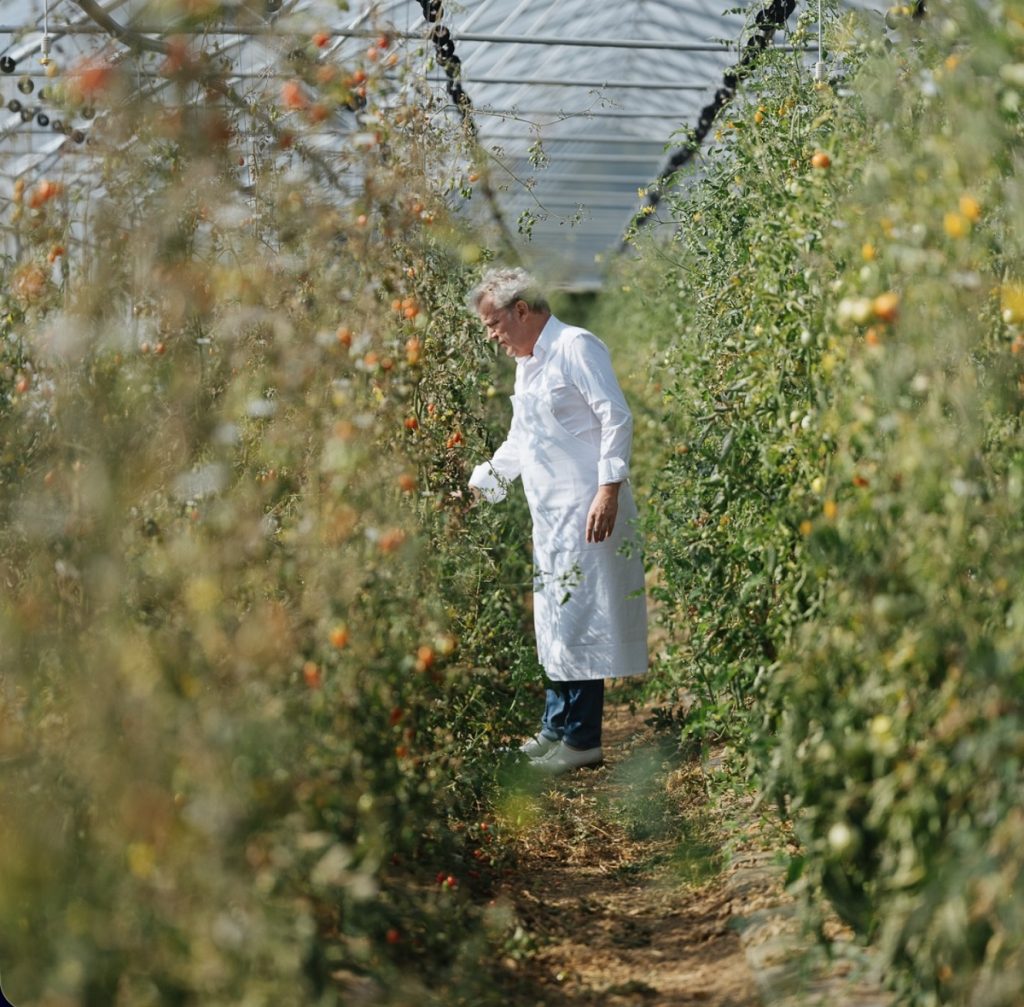
Image Source : https://www.alain-passard.com/en/le-chef/
Scent doesn’t fight the plate. It edits it. It tells your mouth what to notice. It makes color feel three-dimensional.
Halfway through, the chef pivots into sushi and the whole night tightens.
Sushi is where you learn that “clean” is actually hard. The rice gets rinsed until the water runs clear, cooked and rested like it matters, seasoned at the exact second it can take vinegar and still hold itself together. The folding motion looks like fabric work. Careful pressure, no wasted movement. It’s the kind of discipline that makes you understand why places like Sukiyabashi Jiro sit in people’s heads as shorthand for seriousness.
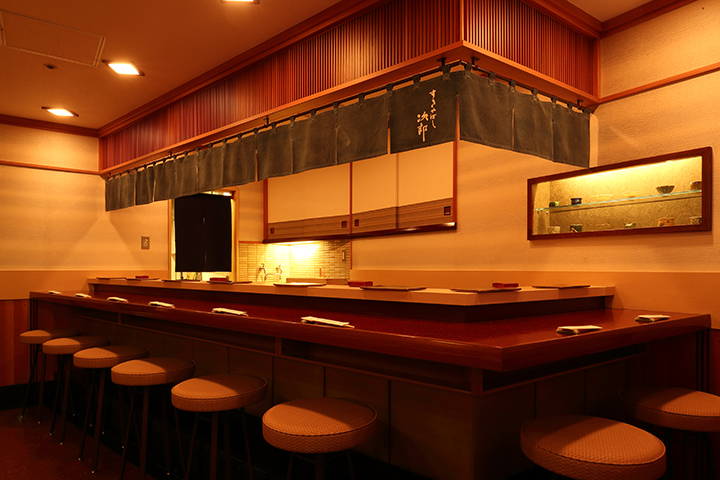
Image Source: https://www.pocket-concierge.jp/en/restaurants/

Then the knife work comes out and pale fish tells the truth. Hirame, tai, hotate, hamachi. Uni that looks like a sunset if you treat it gently. Toro that can go indulgent fast if the rice isn’t perfect. There’s nowhere to hide. No sauce to distract. The cut has to be right. Too thick feels clumsy. Too thin feels nervous. The right slice sits on your tongue like a clean line on a fitted jacket.
And this is where the whole “woven fabric” idea stops being poetic and becomes literal. The nigiri gets pressed and the ingredients stop acting separate. Rice, fish, air, pulled together into one bite that feels seamless. Nori snaps, not chews. Soy gets brushed, not poured. Wasabi shows up like punctuation, not a dare. Shiso flashes green. A little yuzu kosho gives a tiny electric sting. Everything melts into cohesion, and you can’t point to the seam because the seam is the point.
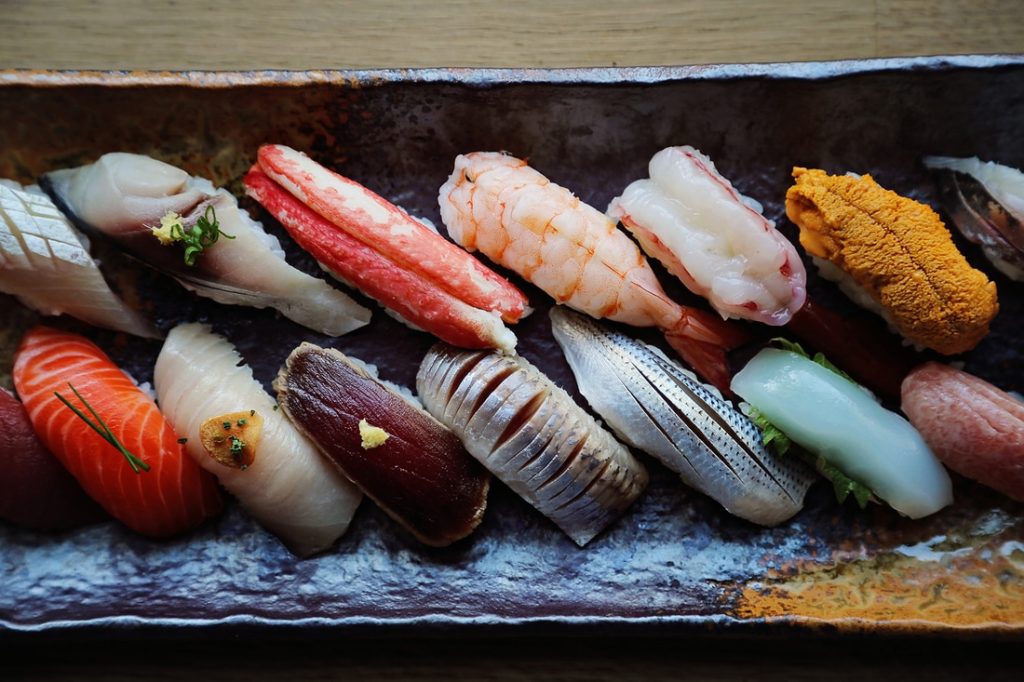
Image Source : https://projectitinerantur.weebly.com/12thingstodojapan/7-sukiyabashi-jiro
By the end, you stop thinking about color as something you look at. You start thinking about it as something you experience through control. Through timing. Through aroma that shadows the plate instead of stealing it. Through pigments that come from the earth and still feel modern because the chef knows when to stop.
You leave full, a little quiet, and weirdly re-tuned. Like your senses just got a software update.
And on the way out, you catch yourself thinking the only question that matters: if a chef can make beet taste like midnight and rice taste like architecture, what else in your life could change if you stopped treating subtle as nothing?
What's Your Reaction?

