
Where Rarity Becomes Language

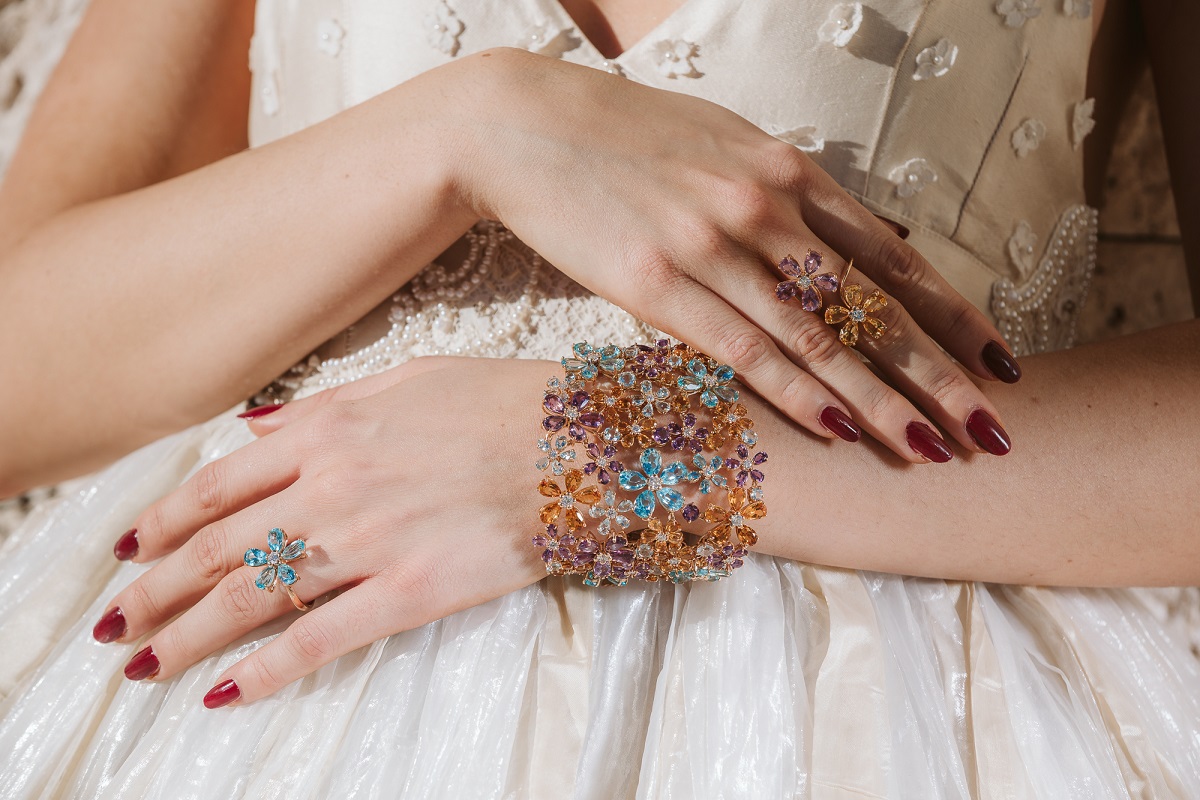

The first thing Dalila Daffara asks about a piece is not how rare it is, or who made it, or what it’s worth.
She asks why it exists.
And, um, it’s the kind of question that changes the temperature in a room. People arrive ready to talk about sparkle, status, the thrill of owning something stunning. Her question pulls everything back to meaning. If the answer isn’t clear, she doesn’t keep going out of politeness. She stops. She moves on. She doesn’t patch it up later with a prettier explanation.
That approach tells you almost everything about her.
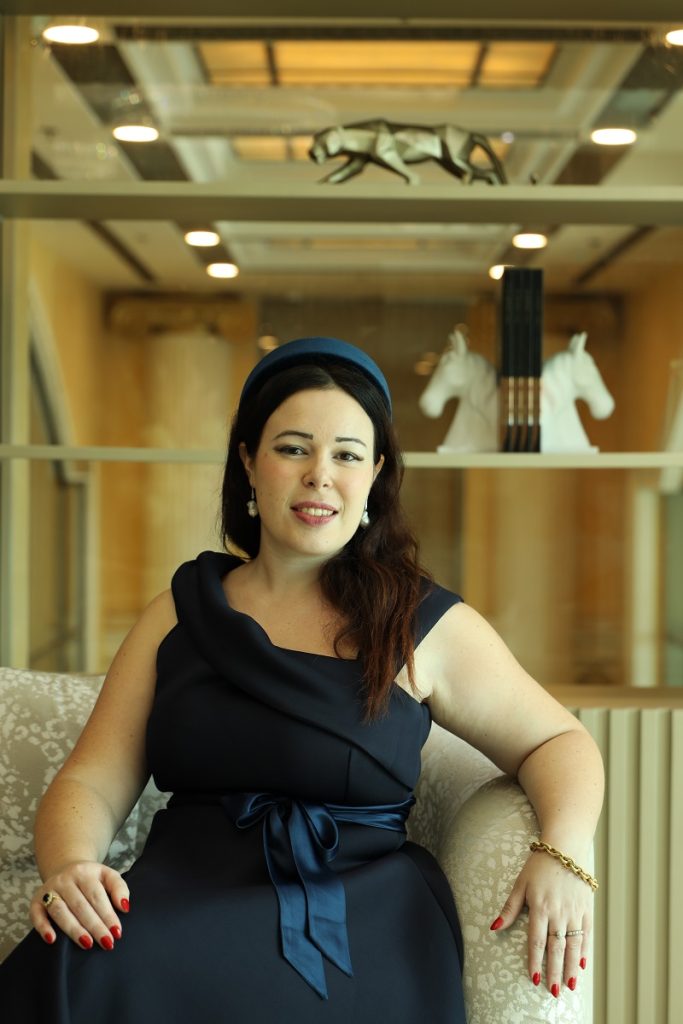
image sources : Press office
Dalila operates in the part of high jewellery that most people never see. Private appointments. Long conversations. Decisions with consequences. She works with collectors who fall in love fast, then have to live with that decision slowly. A piece has to hold up when the excitement fades and you’re left with the object itself.
Her thinking was shaped across cities that trained her eye in different ways. Milan taught her how design and jewellery speak to each other without becoming interchangeable. London sharpened her understanding of markets and cultural crossover, how taste shifts when worlds collide. St. Moritz taught discretion and the rhythm of ultra-private clientele. Monte Carlo remains close. It’s where The Unique Show has grown steadily over the years.
Dubai, for her, isn’t a dramatic pivot. It’s a place where those experiences converge. A city with range. A place where collectors from different regions can exist in the same ecosystem, and where high jewellery can sit inside a wider conversation that includes art, heritage, innovation, and capital. She describes Dubai as a city that understands ambition without apology. Hmm. Coming from her, it doesn’t read like a line. It reads like a condition.
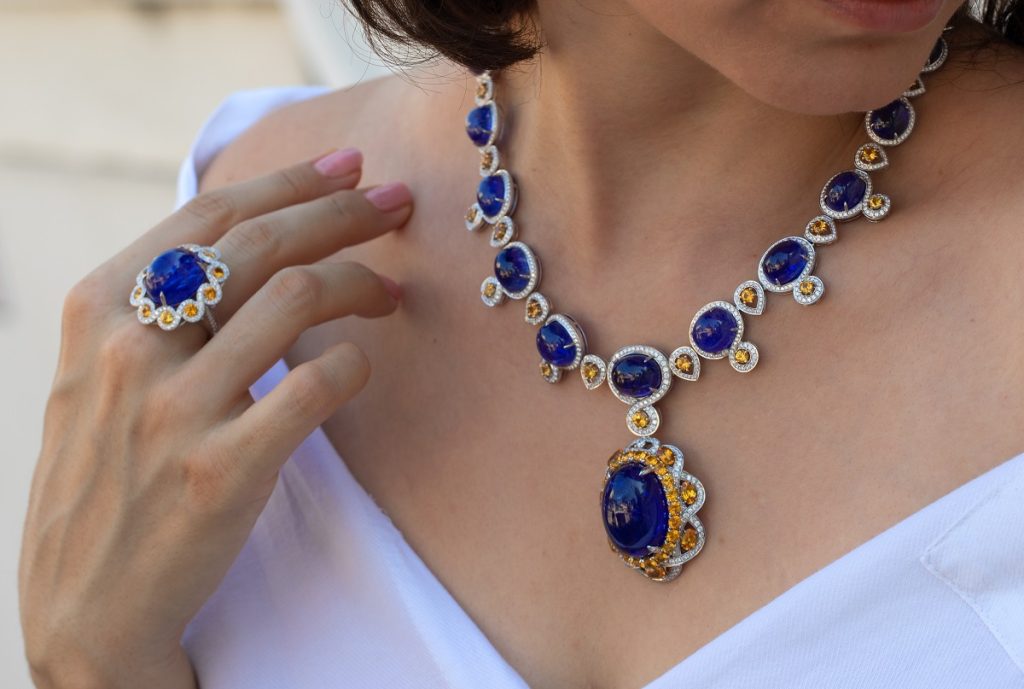
image sources : Press office
That mindset lives inside The Unique Gallery Dubai. Not as a boutique in the traditional sense, but as a space built around time. Time to observe. Time to learn. Time to notice what you miss when you’re rushing.
What’s striking about Dalila is how little patience she has for the usual split between emotion and logic.
“I never separate emotion and strategy,” she says. “I align them together.”
Emotion gives a jewel meaning. Without it, it’s an object. But emotion alone doesn’t protect value. Structure does. Provenance does. Context does. That balance is where her authority sits.
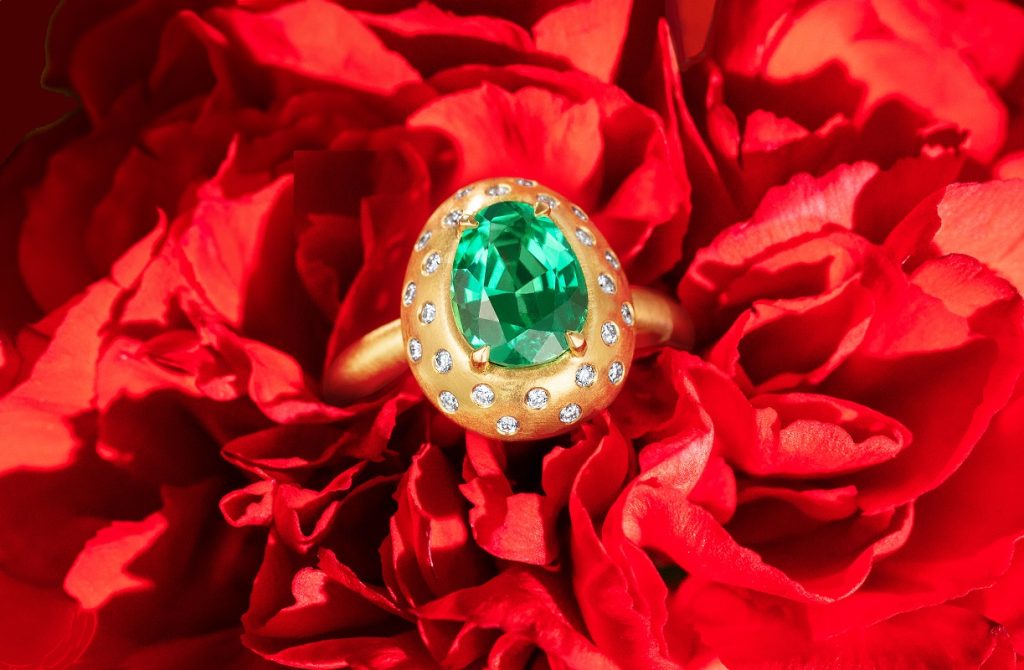
image sources : Press office
When she curates, she starts with the emotional question: Why does this piece exist? What story does it carry? What makes it necessary? Only once that legitimacy is established does she move into the strategic layer: rarity, gem quality, ethical provenance, maker credibility, long-term desirability, uniqueness.
This is why she says she never wanted “another jewellery boutique.”
“Retail is transactional; culture is relational.”
The Gallery gives the object dignity. It gives the collector space to think. Pieces rotate regularly, not to chase novelty for novelty’s sake, but to keep the conversation alive.
Dalila sees jewellery as a cultural record. One of the most precise ones we have. She speaks about how it reflects technology, symbolism, power structures, aesthetics, even the society of its time. It’s a serious way to look at a ring, and once you hear it phrased like that, you stop seeing jewellery as a finishing touch. It starts to feel like evidence.
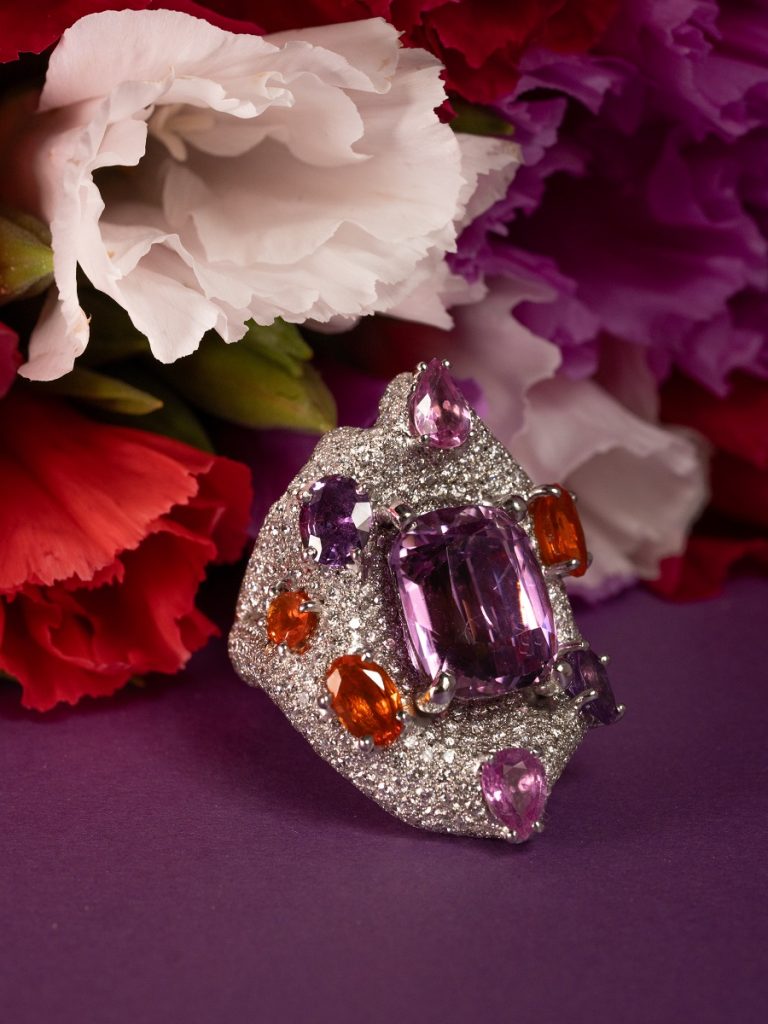
image sources : Press office
That belief shapes how she evaluates designers, too. Technical excellence matters, but it’s not the finish line.
“Craftsmanship is the entry point, not the destination.”
Beyond technique, she looks for exceptionality, originality, trustability, uniqueness. A point of view that holds its shape. She gravitates toward niche designers for that reason. They don’t dilute themselves to be everywhere. They stay specific. And specificity, in her world, is where legacy begins.
Then there’s value, the part of luxury people like to talk around, as if clarity might ruin the mood.
Dalila doesn’t talk around it. She describes high jewellery, curated well, as sitting at a rare crossroads: tangible, portable, enduring. You can wear it, insure it, relocate it, pass it on. It can hold emotion and financial relevance at the same time.
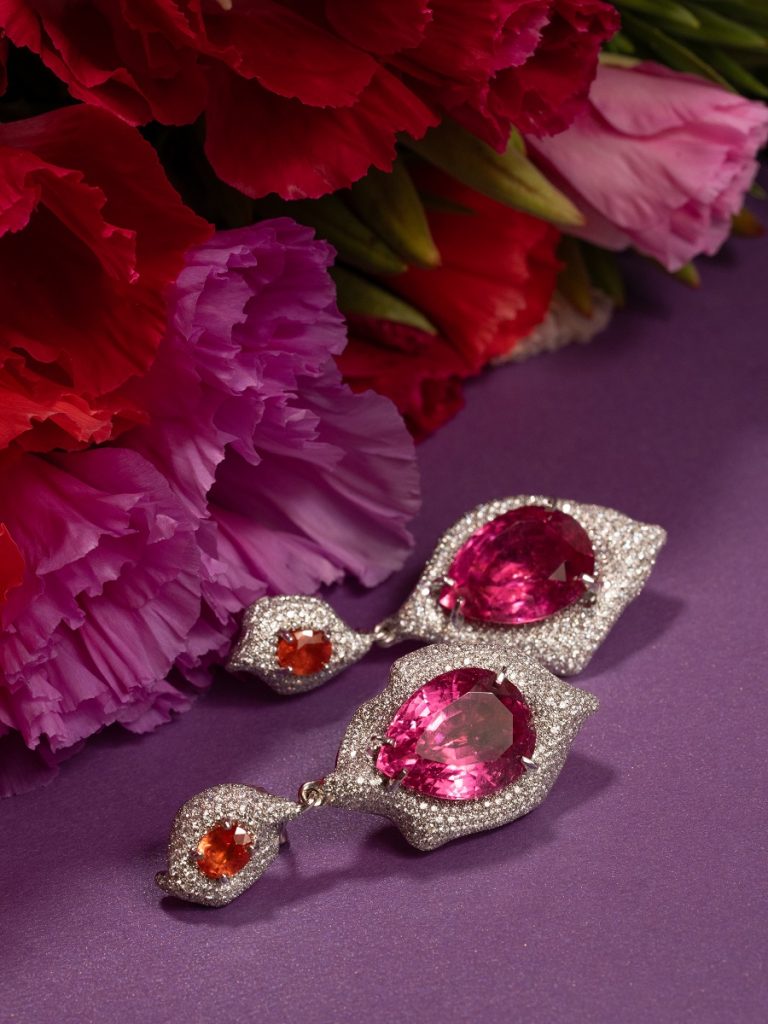
image sources : Press office

But she’s blunt about the trap. Not everything qualifies.
“Legacy is never the result of accumulation alone,” she says.
“It is built through selection.”
Selection requires restraint. It means knowing when to walk away. It means understanding that rarity loses meaning when everything gets treated as rare. And, honestly, that’s where many collections slip. People chase volume and call it a collection. They chase admiration and call it taste.
Dalila works closely with her team and co-founder Alberto Enrico Federico Ferrario, whose background in finance and investment strategy brings another lens to the table. She brings her own history across high jewellery, auction houses, international markets, and long-standing ties with diamond bourse exchanges. Together, they guide collectors toward collections shaped around personal objectives and long-term relevance, not just the rush of the moment.
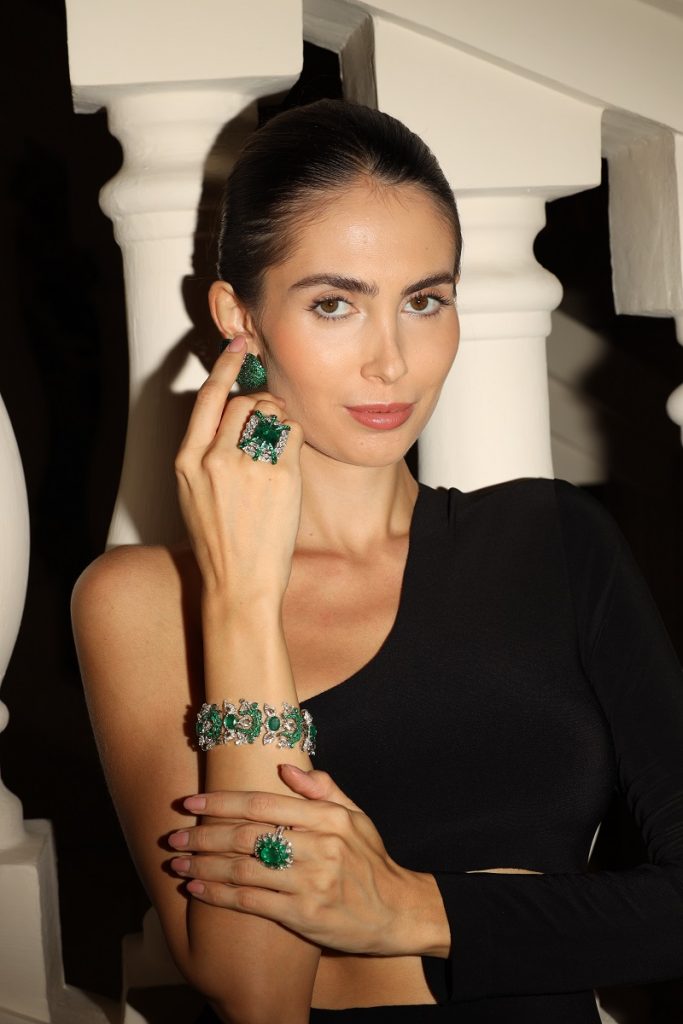
image sources : Press office
She also thinks about what comes next in a practical way. Through The Unique Club, she frames community as part of the work, not a side project. And when she talks about supporting emerging talent, she’s not selling a feel-good story. She’s pushing for skill, longevity, and designers who can last.
At one point, she says something quietly telling: a handshake used to matter more than a contract. It’s not nostalgia. It’s a reminder that trust used to be the foundation, not an afterthought.
When she talks about success, she doesn’t decorate the answer.
“Longevity with integrity and reliability.”
That’s the measure.
And if you spend time inside her thinking, you start to understand why The Unique Gallery carries its name so deliberately. Not because it holds rare objects, plenty of places do that. It’s unique because it insists on something rarer: a standard. A way of choosing. A refusal to rush beauty past the point where it can actually mean something.
What's Your Reaction?

