
Markets, Mugs and Memory: A December Walk Around the World


If December has a soundtrack, it is not Mariah on loop. It is the scrape of skates on ice, a brass band a little off key, the hiss of something hot poured into a cold paper cup. Most clearly, it is the low murmur that happens when people are outside in the cold and in no hurry to go home.
You find that sound first in a Christmas market.
I grew up crossing borders more than seasons, so winter never belonged to one place. The markets became anchor points. a way to read how a city wants to be seen when it dresses up for the end of the year. Some go for spectacle, some for sugar, some for story. A few try to do all three and still keep their soul.
Bolzano: the classic that keeps editing itself
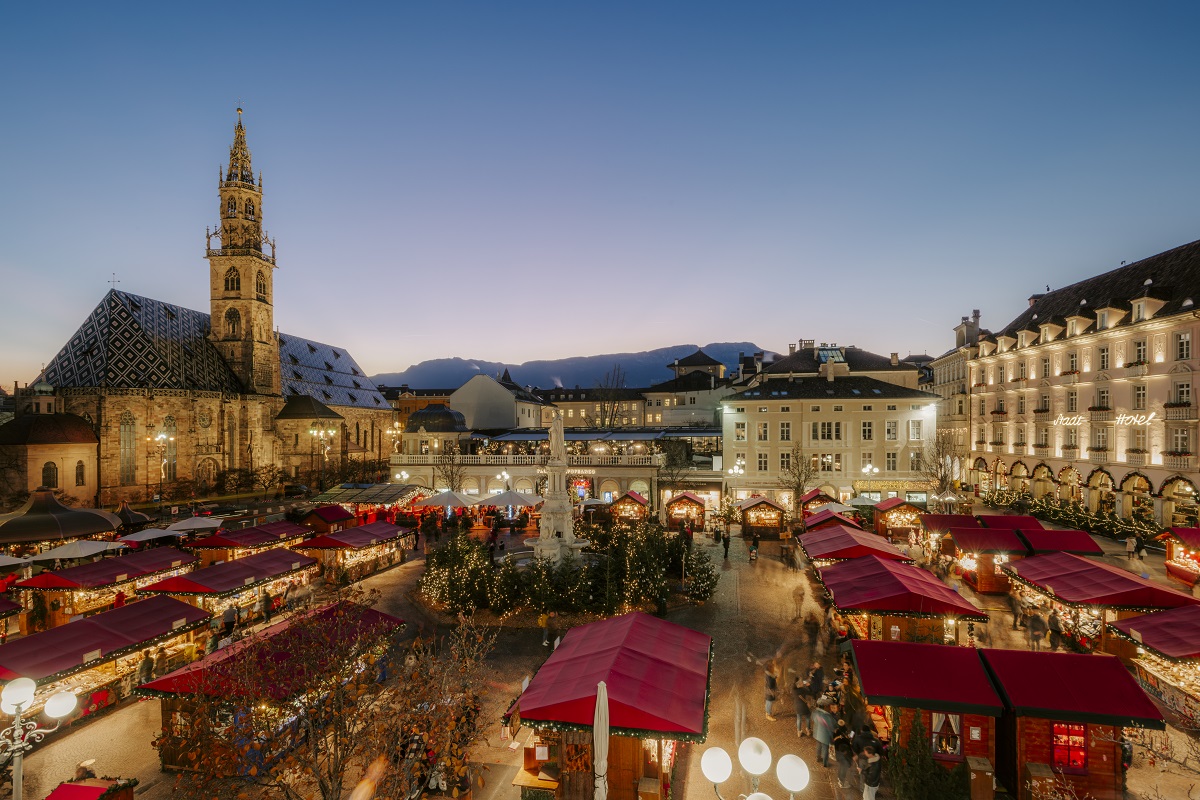
Start in Bolzano, in South Tyrol, where Italy officially learned how to do a Christmas market back in the early nineties. The Christkindlmarkt has been around long enough to be called “traditional” without anyone rolling their eyes, yet it refuses to turn into pure nostalgia. From 28 November 2025 to 6 January 2026, Walther Square becomes the city’s living room, with ninety-three wooden stalls built as if they intend to be photographed from every angle.
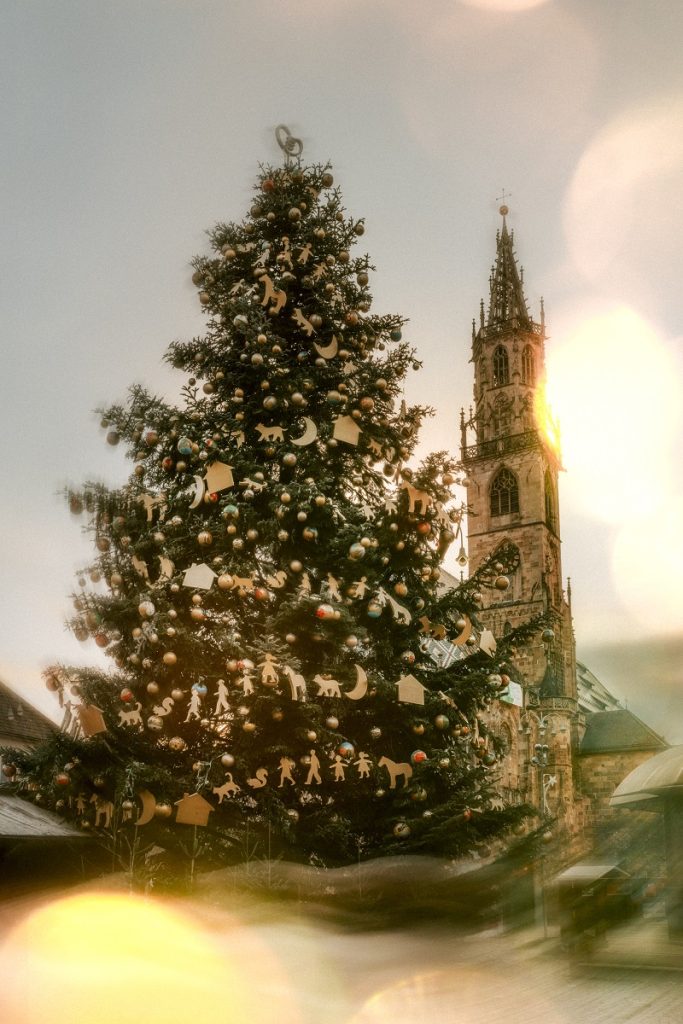
Image Source: Press Office
The market opens the night before, when a 20-meter spruce known as the Wishing Tree wakes up. Thirteen hundred lights are switched on while everyone stares up and pretends they are not getting emotional. The decorations are not random baubles. children and teenagers in cancer therapy sessions with the Lene Thun Foundation have shaped and painted small ceramic pieces that hang from the branches, so the tree carries tiny, very real acts of courage instead of generic sparkle.
By day, the stalls work through the senses with military precision: cinnamon and mulled wine grab you first, then speck and sausages, apple fritters, strudel, music boxes, felt slippers, angels and nativity scenes, all in that tight South Tyrolean edit of wood, metal, glass and dough.
But Bolzano does not stop at “cute”. It sprawls. Follow Eisackstraße to Capuchin Park, and there is a second cluster of stands with more craft work. On Piazza del Grano, the Solidarity Market channels gift buying into local associations and humanitarian projects. A Wine Lounge pours St. Magdalener and Lagrein, a beer stand deals with the rest, and the THUN Chalet sits there like someone dropped a small Tyrolean fantasy on the square. shelves of hand-shaped ceramic figures, lights everywhere, the mood of a toy workshop that has been working overtime since 1950.
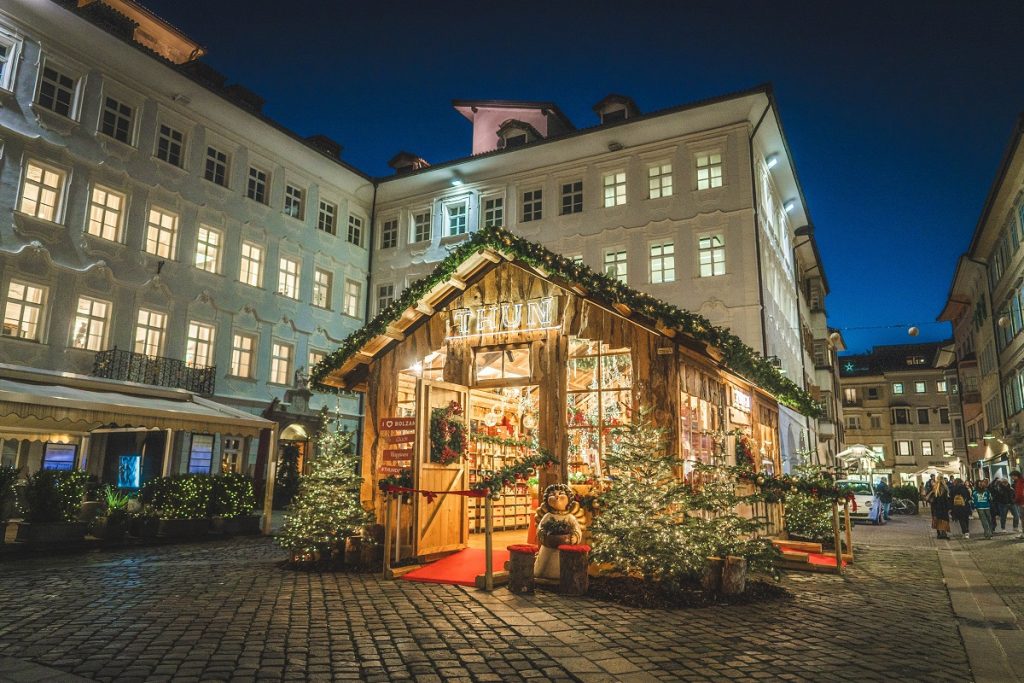
Image Source: Press Office
A different kind of tree lives in the shadow of the cathedral. The diocesan tourism commission has created more than 21,000 cardboard “peace trees”, printed in Italian, German and English with lines on peace from the Old and New Testaments. Visitors are invited to write their own words on the back and hang them outside the Duomo. Later, the trees are gathered and taken to a convent, where the sisters fold those wishes into their prayers.
Bolzano also understands that children are the real influencers. There is an electric train and a carousel on Walther Square, but the real fun is in Capuchin Park, which turns into a playground of workshops, fairy-tale readings and small adventures. One project sends them to the School Museum to write Christmas cards with ink and quills, because someone in the tourism office clearly believes handwriting still matters.
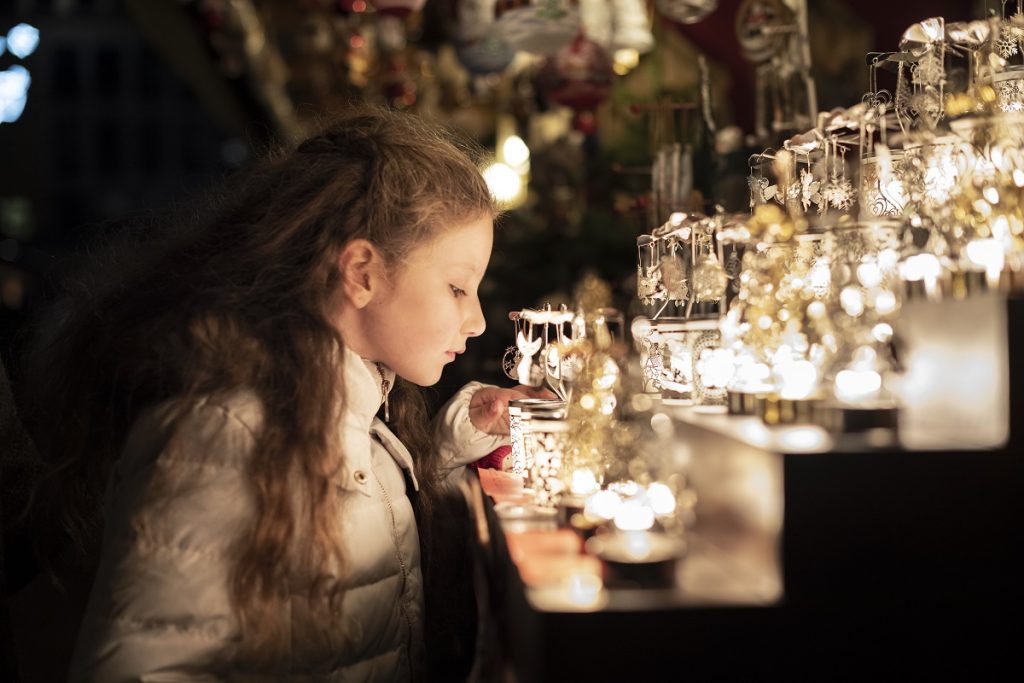
Image Source: Press Office
For adults, Advent comes with a cultural playlist. Contemporary artists scatter “Angelus Loci” installations around churches, bridges and streets, so the city becomes an open-air exhibition of guardian angels interpreted in steel, fabric and light. Weekend concerts happen on the square, in the concert hall and in the Dominican Church. ballets, choirs, jazz, improvised theatre. December in Bolzano is less a silent night and more a curated noise.
Then there is the detail that says a lot about how this city sees itself in 2025: the market is certified as a Green Event. Food is made with organic, seasonal, local ingredients. Drinks are served in real cups and glasses. Brochures are printed on recycled paper. The train station is a two-minute walk away, and visitors are nudged to arrive by rail. There is even a specially decorated train running daily from Milan to the Brenner Pass, with a prize draw for those who choose that route.
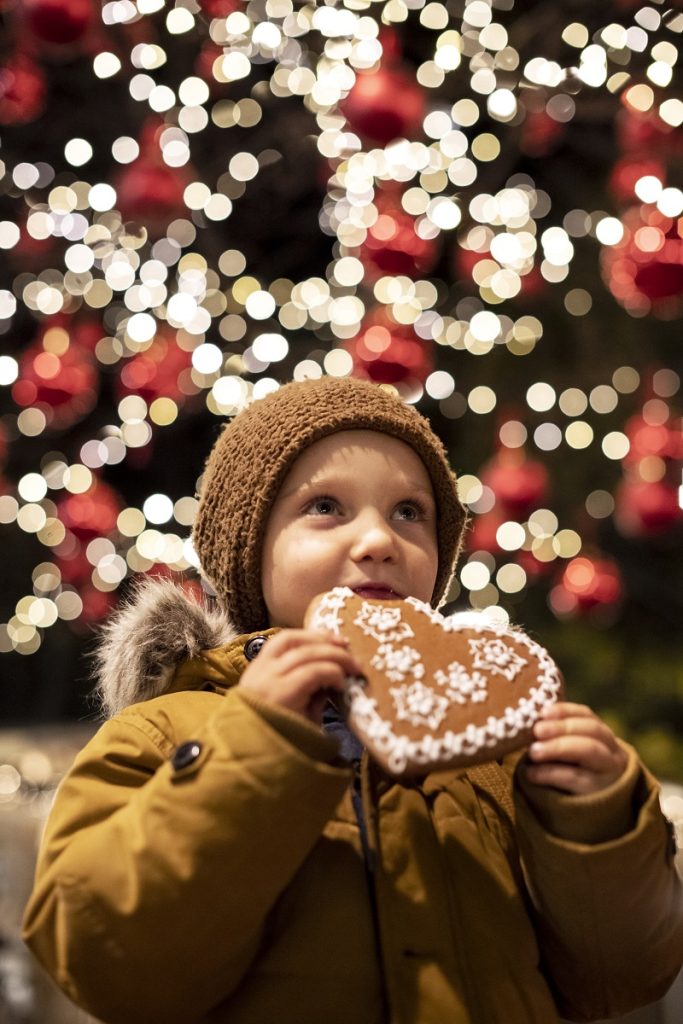
Image Source: Press Office
Accessibility shows up on the plate too. For the first time, the market includes Pura Hütte, an entirely gluten-free stand serving regional comfort food, Leberkäse sandwiches, potato rösti and warm strudel, cooked under strict zero-contamination rules. Bolzano is not just about romance and snow. It is quietly doing the work of including people who usually sit out the street-food party.
And when you need a little distance from all this, lift your eyes to the mountains. Within half an hour, you can be on the Rittner Horn or in Obereggen, where long runs and night skiing offer a persuasive case for mixing mulled wine with actual movement.
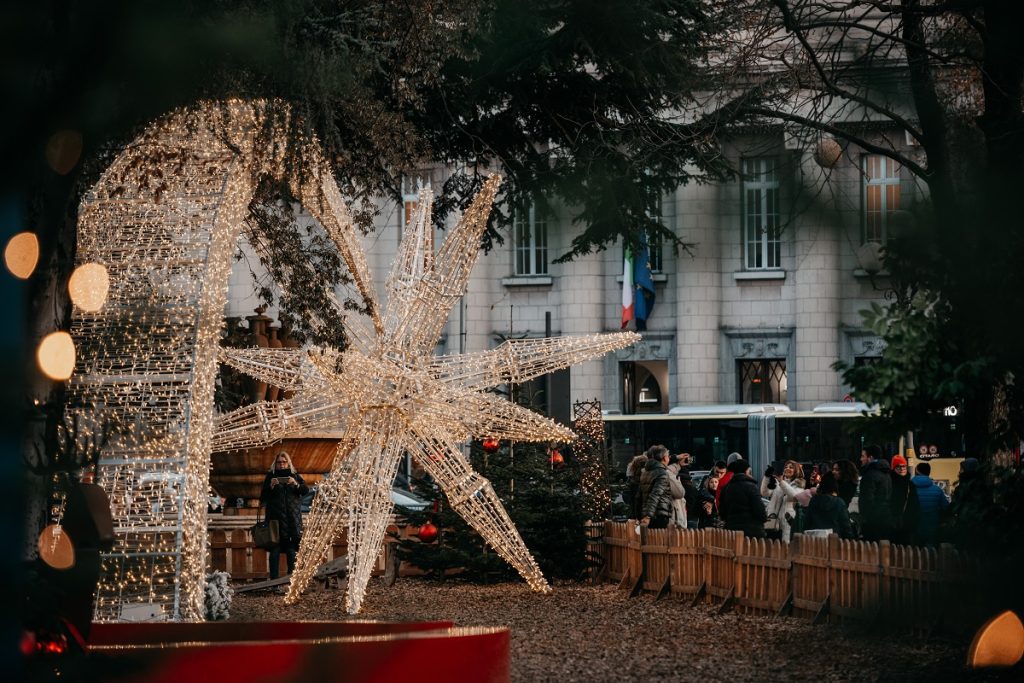
Image Source: Press Office
Laives: small market, big heart
Eight kilometres away, Laives is the introvert cousin. Its Christmas market began in 2010 as a single stand “by the people of Laives, for the people of Laives,” and has grown into a gathering that still feels local first.
On the four Advent weekends, seven huts run by associations and artisans turn the space next to the parish centre into a place where everyone knows someone. Nativity scenes fill shop windows across town, more than twenty of them, each a little different. A living nativity appears beside the parish church on key December dates, brass bands and choirs layering sound over regional food.
Children get the kind of details they will remember: pony rides on Weißensteiner Street, a visit from Saint Nicholas and the Krampus, complete with bells and mild chaos.
Laives is not trying to compete with Europe’s big Christmas capitals. It is simply holding space for its community, with forty local associations involved in running the market. You feel it as you stand there with a paper cup, counting how many volunteer hours just walked past you carrying trays.
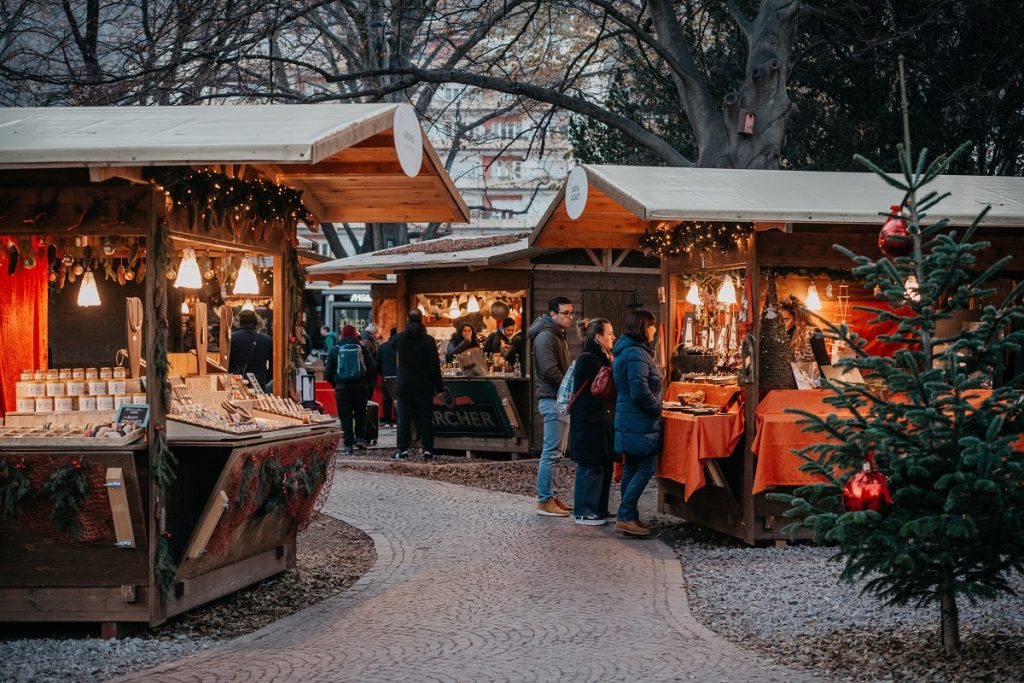
Image Source: Press Office
Strasbourg: the self-appointed capital
Strasbourg took the phrase “Christmas market” and built an identity around it. The Christkindelsmärik, dating to the sixteenth century, spills across the historic centre with hundreds of chalets around the cathedral and Place Broglie.
It is dense, theatrical and unapologetically extra, Strasbourg calls itself the Capital of Christmas, and somehow it works.
Vienna: fairy tale with infrastructure
In Vienna, the Christkindlmarkt on Rathausplatz is the one that shows up on postcards. A huge tree, 150+ stalls, and a park turned into a maze of lights. A skating trail curls between the trees, so you wander through illuminated paths rather than skating in circles.
Everything feels deliberate, mugs match, lights align, choirs sound polished whether they are or not.
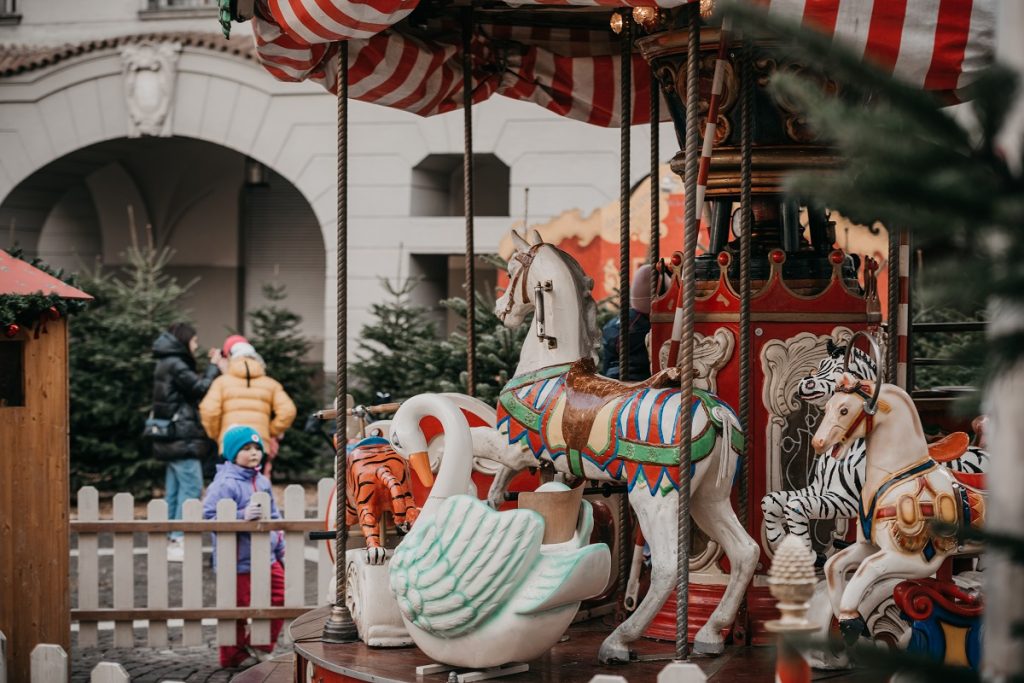
Image Source: Press Office

Cologne: markets stacked under a cathedral
Cologne refuses to choose one market. Around the cathedral, the Weihnachtsmarkt am Dom gives you views strong enough to distract you from your souvenir mug. Other markets spill toward the river, each tuned differently, romantic, loud, or both.
Cologne understands that people will cross a crowded square purely for a better backdrop.
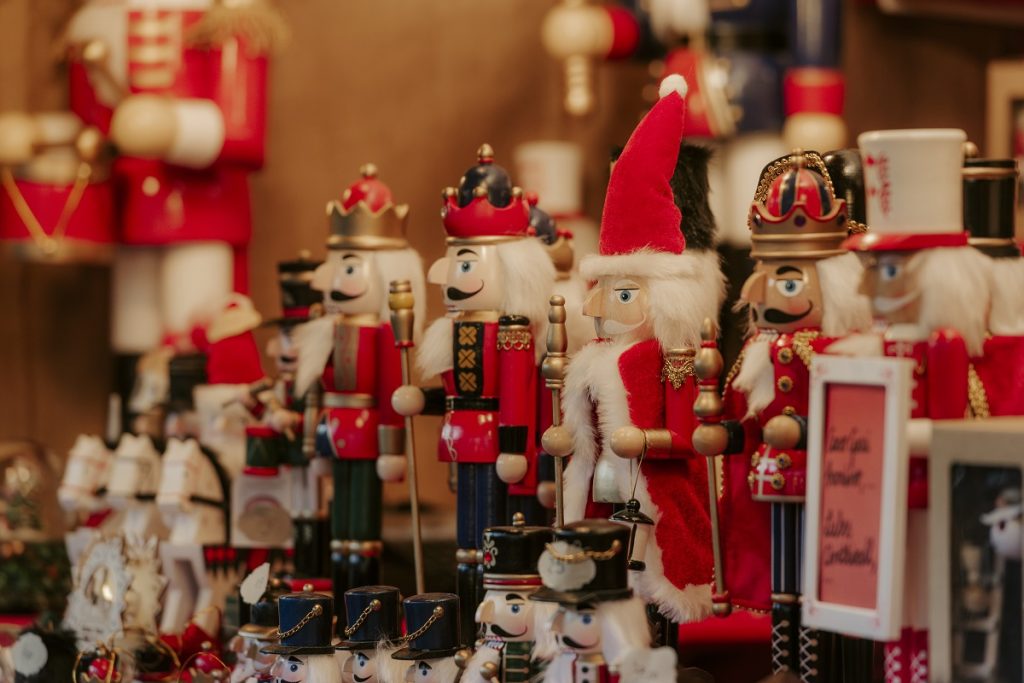
Image Source: Press Office
Tokyo and New York: the remix
Tokyo’s Hibiya Park Christmas Market recreates a German fantasy. wooden huts, Christmas pyramids, illuminations that feel like a festival.
New York’s Winter Village at Bryant Park runs on mash-up energy: ramen beside raclette, artisan candles beside NYC merch, and a free entry skating rink at the center of it all.
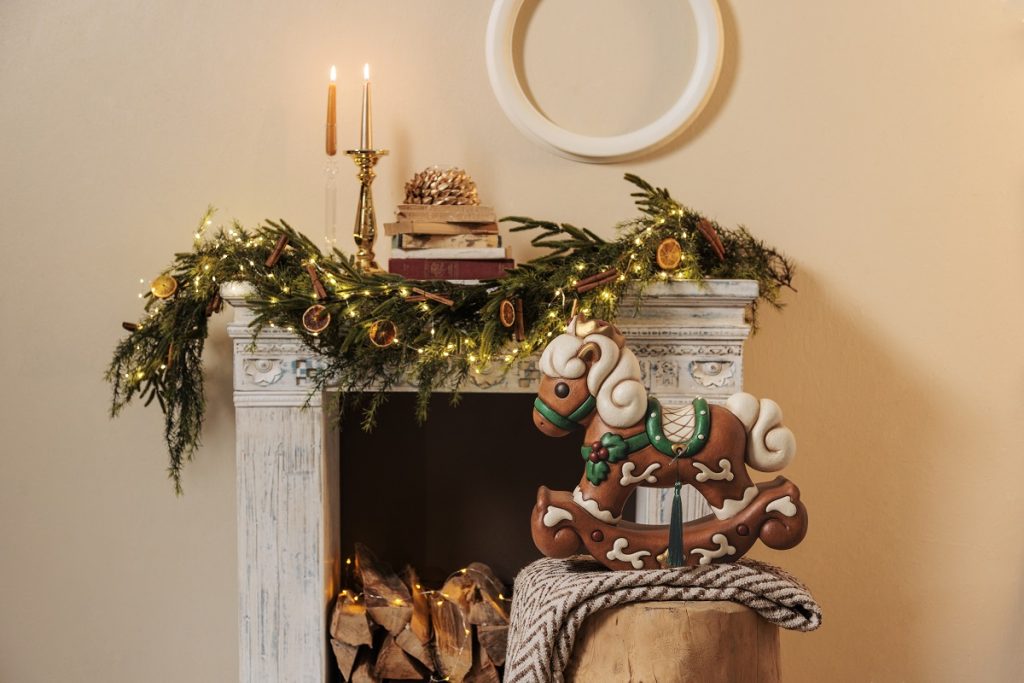
Image Source: Press Office
Why we keep going back
What all these places share is not architecture or history. but how they negotiate the end of the year.
In Bolzano, you can stand beneath a tree decorated by children in therapy, write your own wish on a peace card and know someone will carry it to a convent. You can watch a child skate for the first time while a train packed with strangers pulls in two minutes away because someone wanted this market to exist without cars.
In Laives, you feel volunteer spirit. In Strasbourg, theatrical joy. In Vienna, choreography. In Cologne, celebration under stone. In Tokyo and New York, cultural translation done with sincerity.
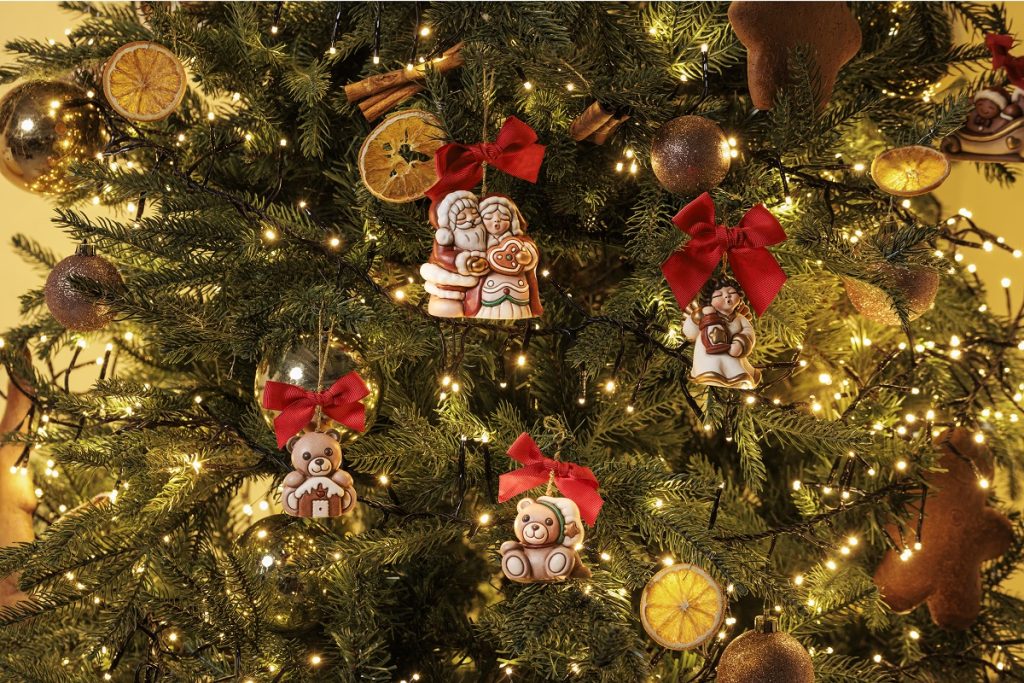
Image Source: Press Office
This year has not been gentle for many. Headlines do not match fairy lights. Maybe that is why these markets matter more than they should. small temporary villages built of wood, light and hot sugar, where strangers share tables because the weather suggests it.
Walk through any of them and a pattern appears: someone hands you a drink, someone tunes an instrument, someone reminds a child to stay close. It is ordinary, chaotic and fragile. For a few weeks, cities build little winter villages to see if people still show up for one another.
Call it Christmas if you want. At heart, it is a rehearsal for how community could feel the rest of the time.
What's Your Reaction?

