
When the Headlines End, the Story Continues


Following Imad Yassin’s Journey to No Life on Mars
About a year and a half ago, I sat down with my cousin, Imad Yassin, for an interview about the work he was leading through the Idris Foundation. Our conversation centred on humanitarian initiatives, technology, and creating opportunities for communities that too often find themselves overlooked. Throughout that conversation, one project kept finding its way back into our discussion. It was a documentary he had been quietly working on, one that was taking far longer than anyone had anticipated because it demanded patience, trust and, above all, the willingness to let people tell their own stories.
Looking back now, I understand why it occupied so much of his life.
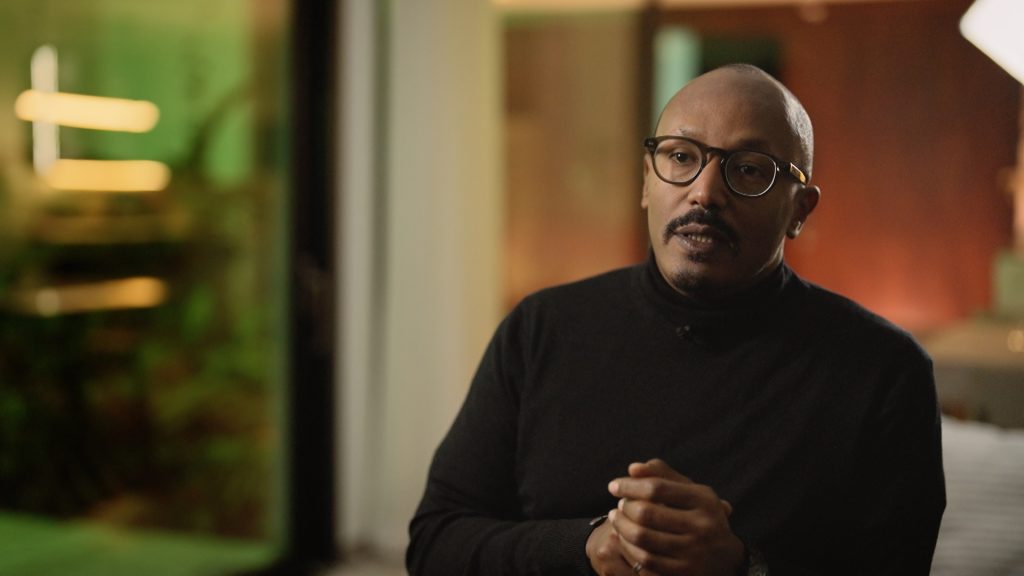
Imad Yassin, Founder & Chairman of The Idris Foundation ; Image Source : Press Office
Today, that project has become No Life on Mars: A Portrait of Sudanese Lives and the Homes They Carry Within.
Produced by the Idris Foundation, established in honour of my late uncle, Idris Yassin, the documentary follows five Sudanese individuals whose lives were forever changed by the conflict that began in April 2023. Filmed across Sudan, Kenya, and Spain, it looks beyond the immediate events of war and instead asks a far more enduring question:
What happens to the idea of home when home itself is no longer there?
That’s what drew me back to the project.
Most of us experience conflict through headlines. We learn the dates, follow the updates, and absorb the numbers before another story inevitably takes their place. For the people living through those events, however, life continues long after the world’s attention has shifted elsewhere.
One line from the production notes stayed with me long after I’d finished reading them:
“This film is about what happens after the breaking news banner disappears.”
It is a simple sentence, yet it quietly explains the documentary’s purpose.
Rather than documenting conflict itself, No Life on Mars follows the lives that continue within it. Families rebuilding routines, friendships adapting to unfamiliar realities, and small moments of laughter, faith, resilience and hope that rarely make the evening news, yet say far more about the human experience than any headline ever could.
Working alongside director Mohamed Chawky, Imad deliberately resisted sensationalism. Instead, the camera lingers on everyday life, allowing the people at the heart of the documentary to guide the narrative in their own voices. It is a reminder that every statistic we read represents someone’s family, someone’s memories and someone’s future.
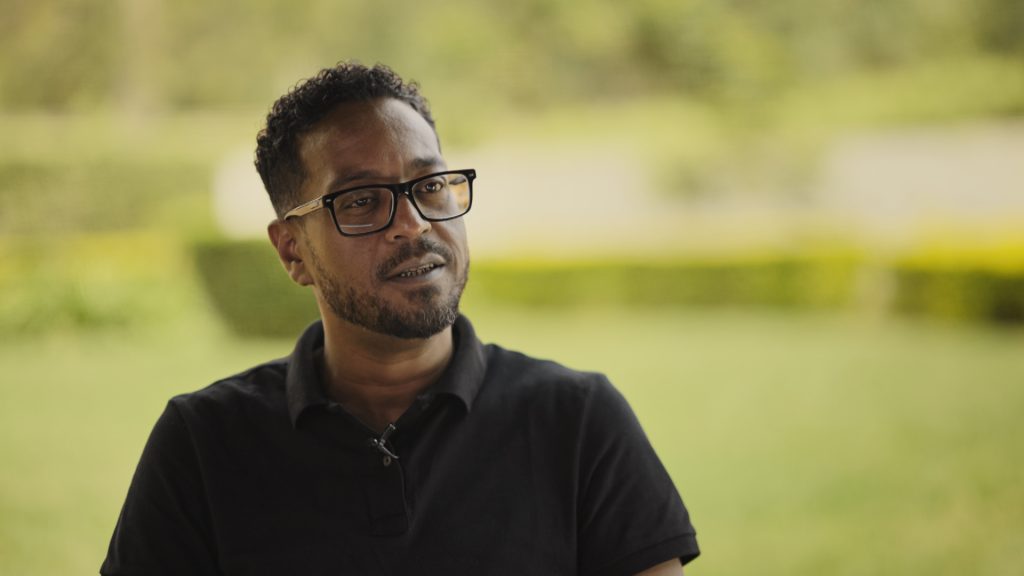
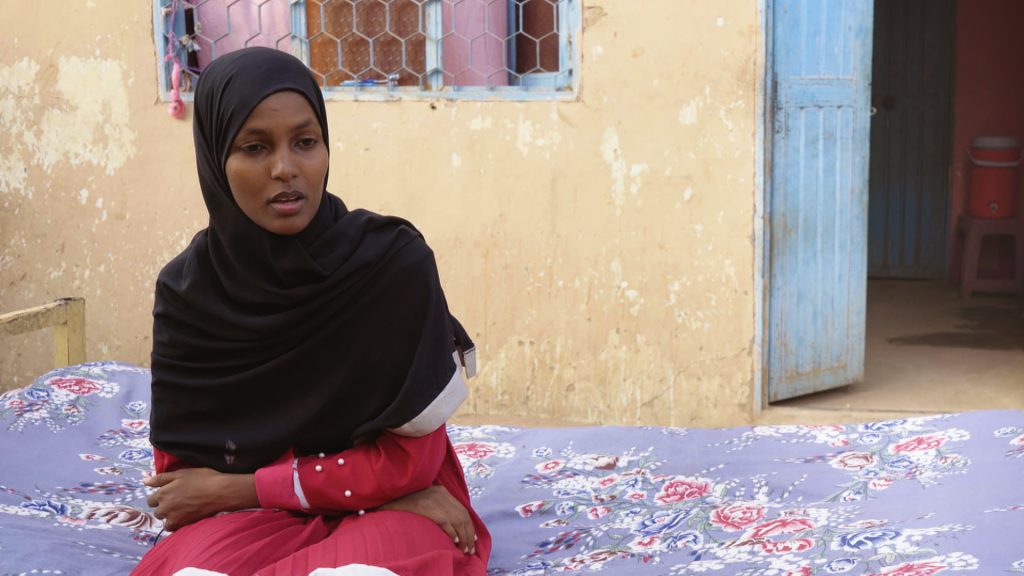
In View (left to right): Dr. Ahmed Dafalla (Development professional/civil society manager) ; Dr. Ronnie Shaoul
(General manager and Art collector) ; Jawaher Abdalla (Medical student)
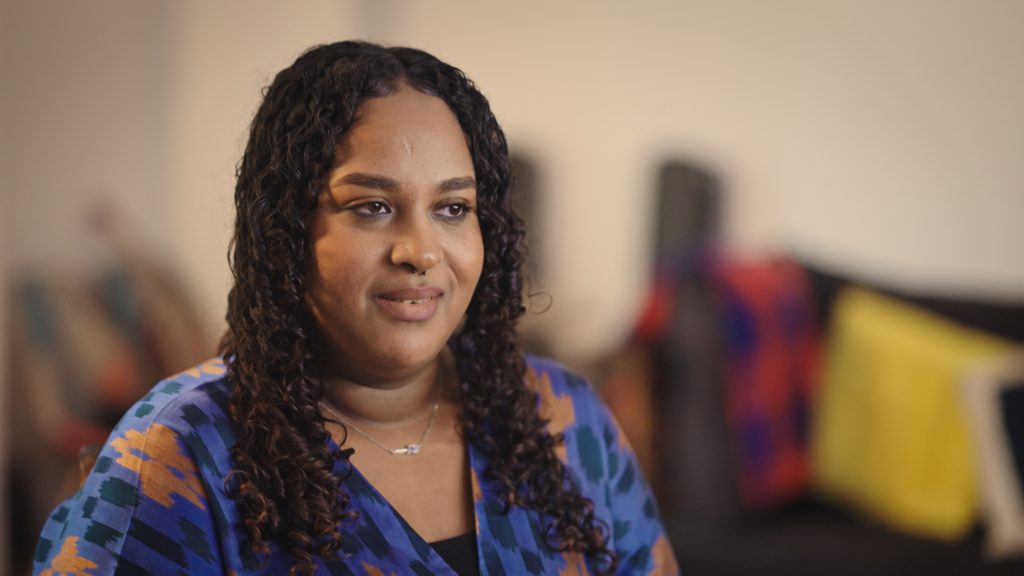
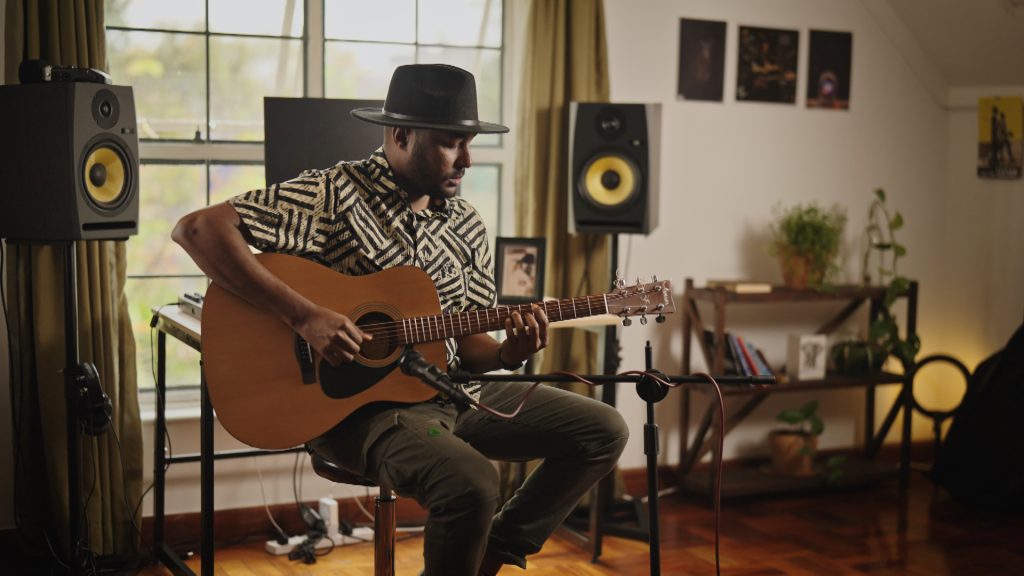
In View (left to right) : Tahleel Daffala (Artist and Singer) ; Mohamed Saddiq (Musician and singer)
Image Source : Press Office
Knowing the journey behind this film gives it another layer of meaning for me.
When we first spoke, the documentary was still taking shape. It existed in conversations, research, travel and countless hours of work that nobody outside the production could yet see. Watching it finally find its audience feels like seeing years of quiet dedication come full circle.
A few months ago, Gazetta was invited to the documentary’s preview screening in Dubai. Unfortunately, I wasn’t able to attend, something I genuinely regret. Having followed this project from its earliest conversations with Imad, it would have been a privilege to experience that moment alongside everyone who helped bring it to life. I knew how much of his time this documentary had taken over the years, but reading more about the finished film and everything that went into making it made me appreciate that journey even more. Seeing it finally reach audiences feels incredibly rewarding.
The Idris Foundation has always represented something deeply personal for our family, and seeing its work extend into filmmaking feels like a natural evolution of its mission. The Foundation has consistently focused on creating opportunities, preserving dignity and investing in people, values that are woven throughout every frame of No Life on Mars.
The title itself becomes increasingly meaningful as you reflect on the film.
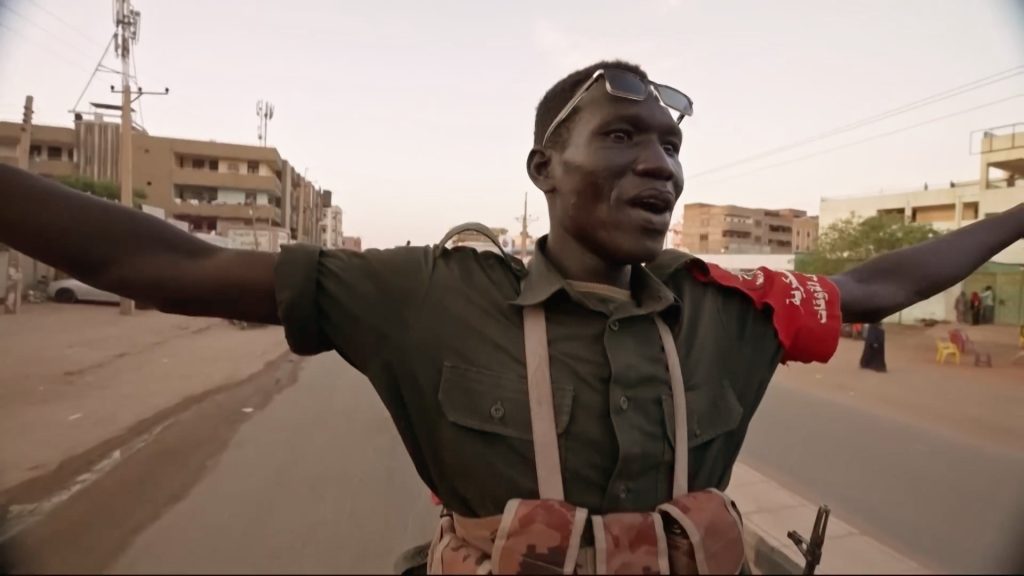
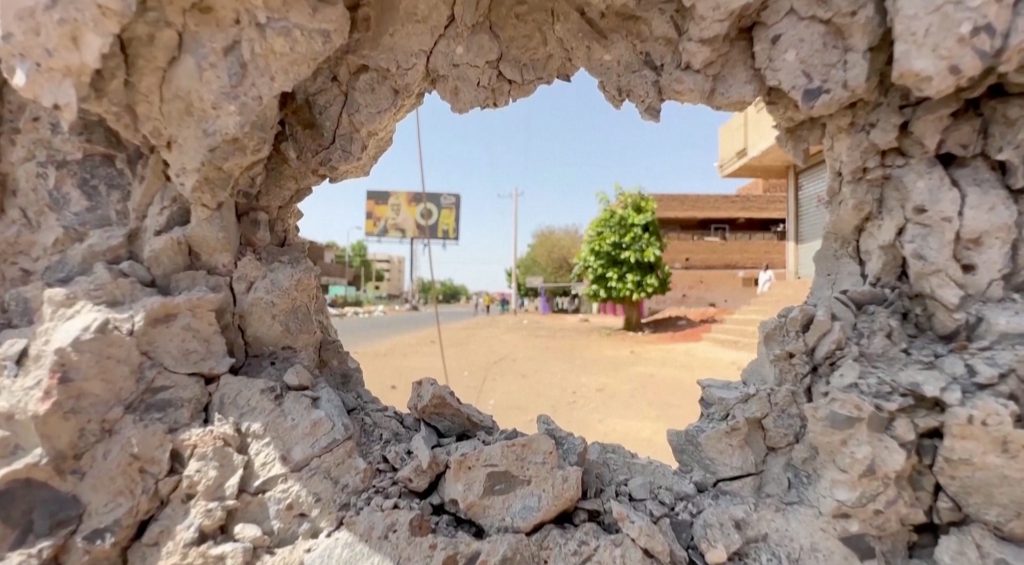
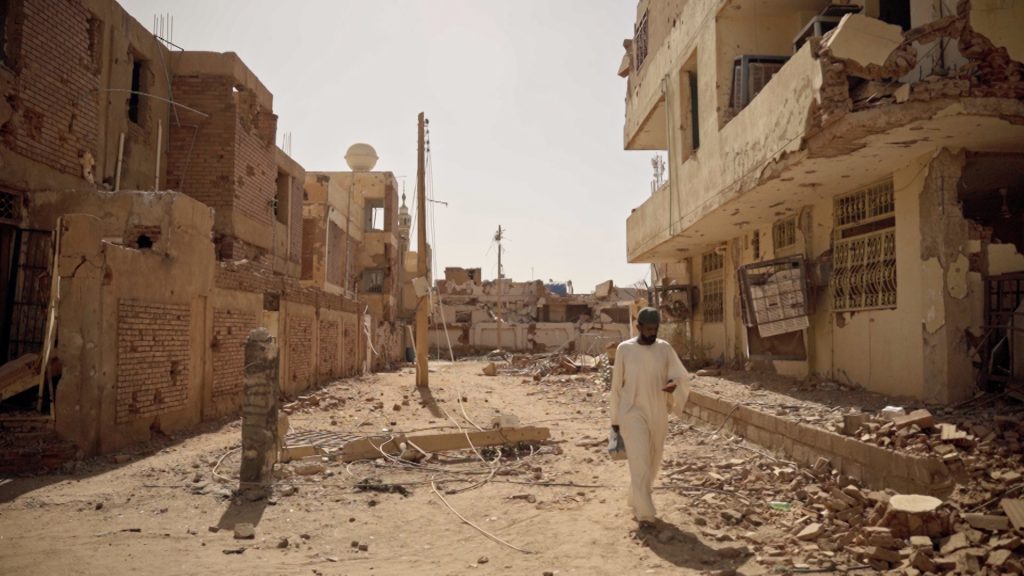
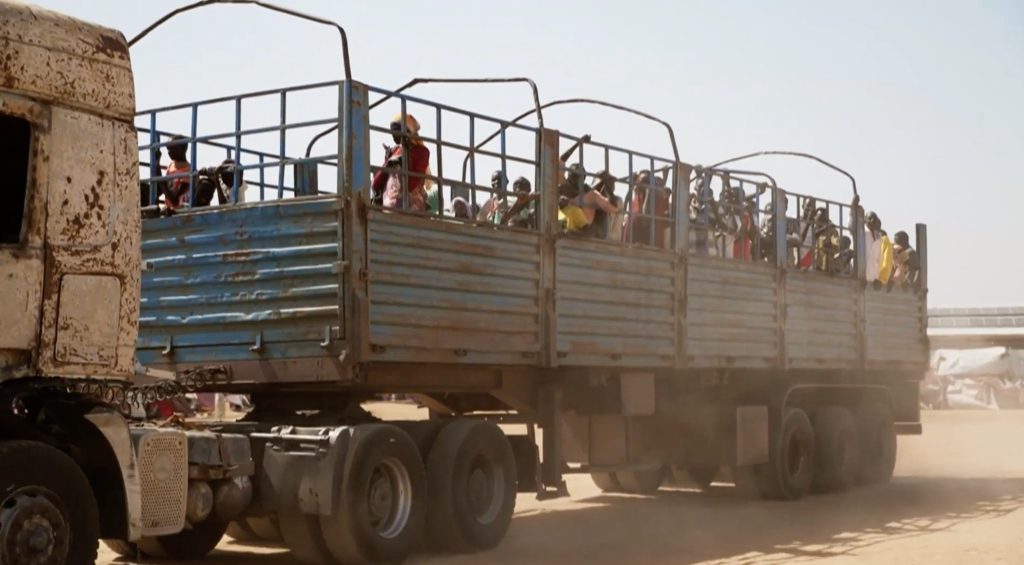
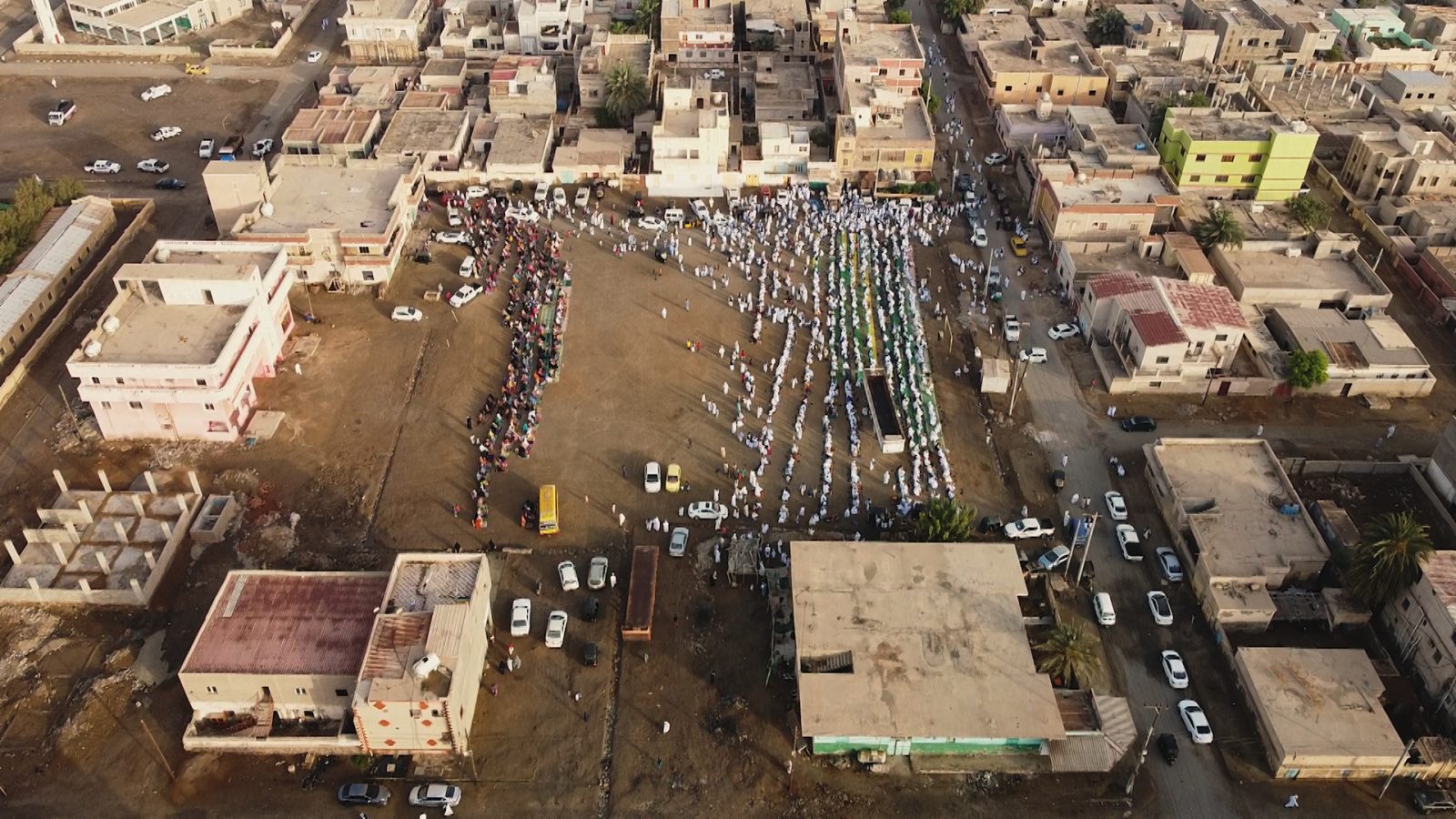
War Images – Sudan ; Image Source : Press Office
No Life on Mars is not really about another planet. It is about the emotional distance people experience when everything familiar suddenly disappears. It asks what home really means once geography is no longer enough to define it, and whether home can continue to exist through language, family, memory and the traditions we carry with us wherever life takes us.

Here at Gazetta, we have always believed that the most meaningful stories are the ones that encourage us to look beyond the obvious. They invite us to slow down, listen more carefully and understand the people behind the headlines. That is exactly what this documentary does.
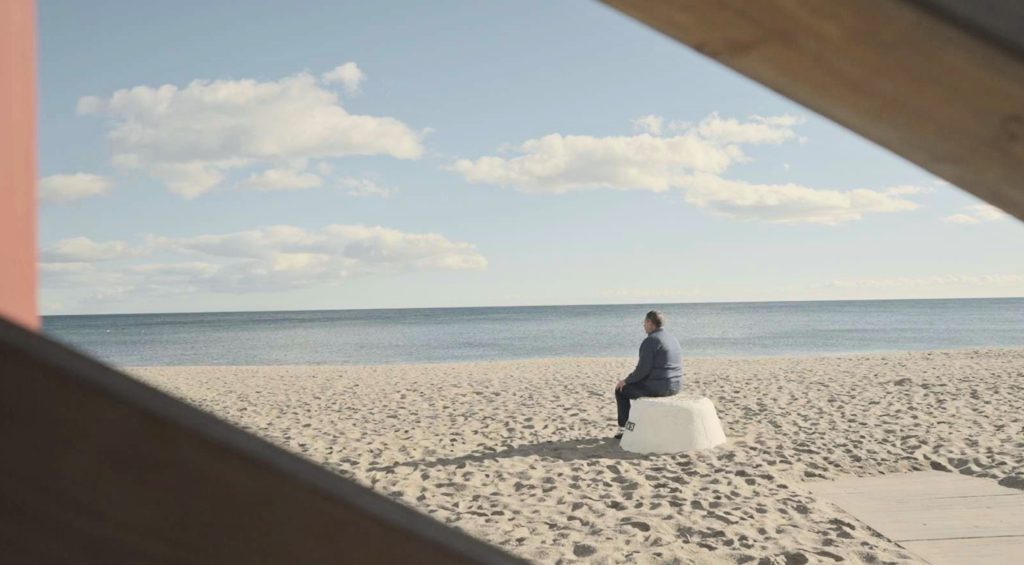
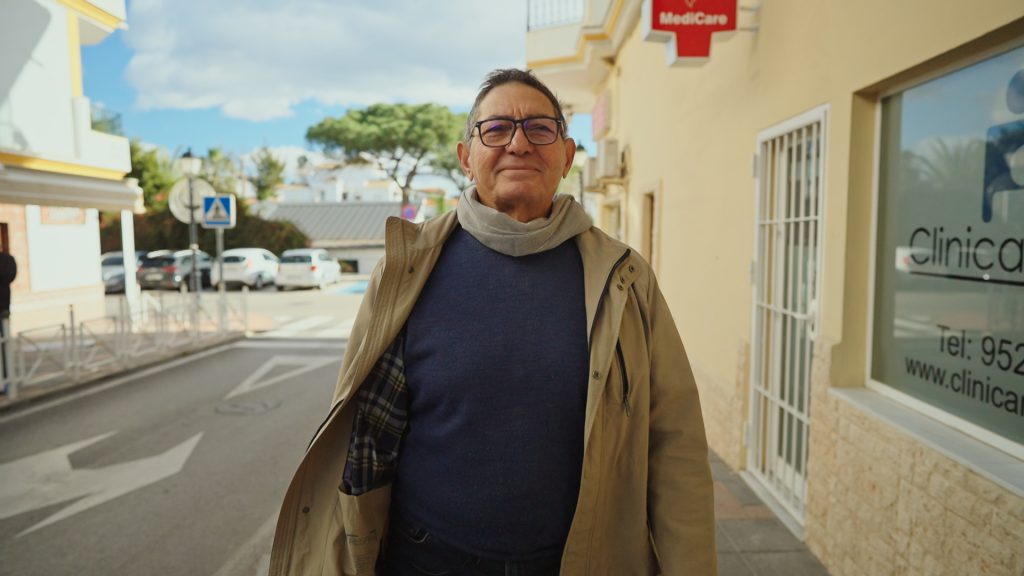
Malaga – Spain ; Image Source : Press Office
Looking back at my conversation with Imad all those months ago, I realize he wasn’t simply talking about making a documentary. He was investing years in earning trust, listening carefully and documenting lives with honesty and compassion. Seeing that work finally reach audiences feels incredibly special, not only because he is my cousin, but because the film stands on its own as a thoughtful and deeply human piece of storytelling.
Stories like these deserve to be seen, discussed and remembered because they remind us that behind every global event are people whose lives continue long after the world’s attention has moved elsewhere.
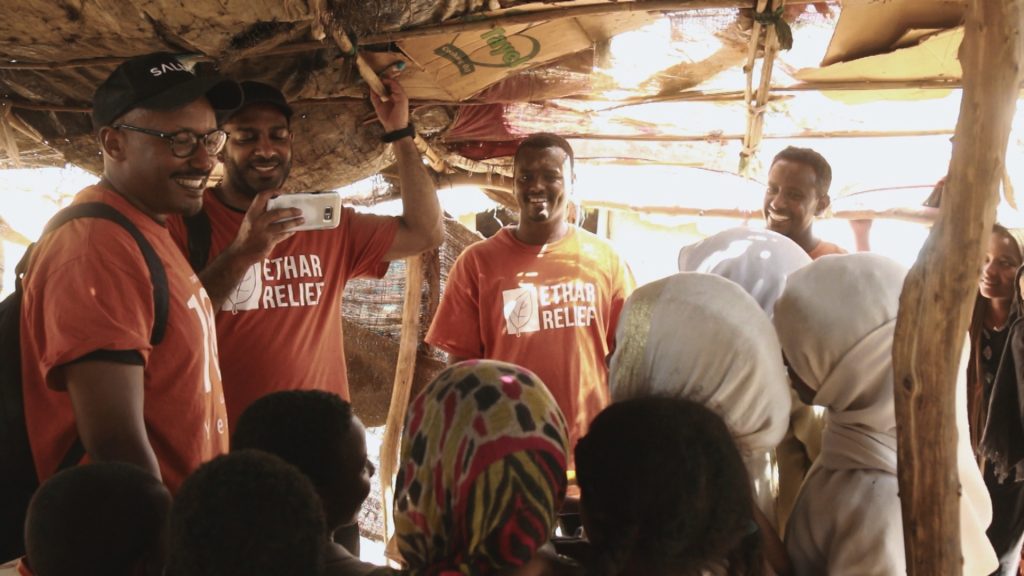
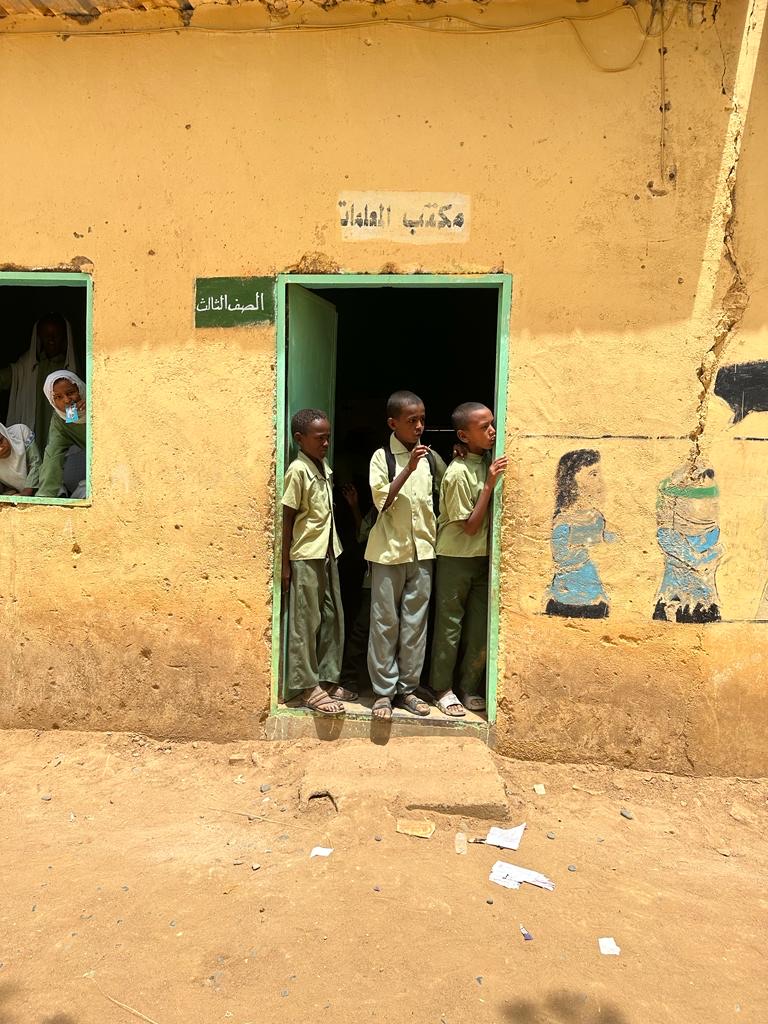
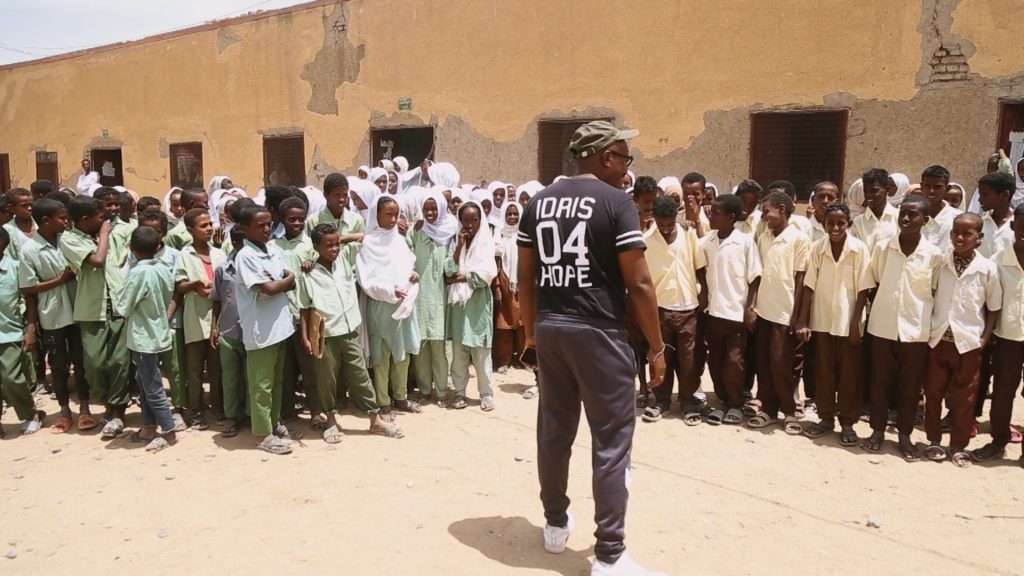
On the ground with Idris Foundation ; Image Source : Press Office
In many ways, No Life on Mars reminds us that home is not always defined by the place we leave behind. Sometimes it lives in our memories, our language, the people we love and the stories we continue to tell. Those are the things we carry with us wherever life takes us, and perhaps that is the documentary’s most powerful message of all.
What's Your Reaction?

