
Dress Like the World Is Watching


The World Cup’s first impression is no longer made only on the pitch.
Every four years, the FIFA World Cup arrives with its familiar theatre: the kits, the fixtures, the predictions, and the rivalries dressed up as new drama. But in this tournament, another kind of performance begins before the first whistle. It begins at arrivals, when teams enter host cities and become content before they become competitors. A few decades ago, those images may have lived in newspapers or archive folders. Today, they travel through Instagram Reels, TikTok, fan pages, fashion accounts, WhatsApp groups, and commentator reactions within minutes. A team’s first look can travel further than its first press conference.
That makes arrival dressing more than a side note. It has become a visual handshake, the first moment a nation tells the world something about itself. Countries spend enormous resources shaping national image through tourism, diplomacy, sport, culture, and branding, yet one of the most visible moments of representation is still often treated like a travel day. That is where the conversation becomes interesting, because the World Cup is not a preseason tour, nor a training camp, nor an ordinary business trip. It is one of the largest cultural events on Earth, and when the world is watching, arrival becomes part of the story.
Image Source: Fifa World Cup 2026
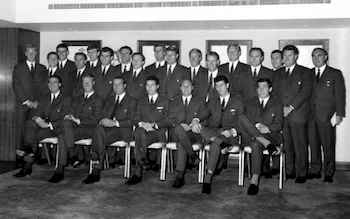
England Team 1966 World Cup Arrival Photo; Image Source : The Telegraph
There was a time when teams seemed to understand that instinctively. Look back at photographs from previous World Cups and players often arrived in suits, blazers, ties, polished shoes, and attire that reflected the significance of the occasion. It wasn’t about fashion for fashion’s sake. It was about posture. It was about understanding that players were not simply athletes reporting for work, but representatives of a country. Somewhere along the way, comfort became the dominant language of travel. Tracksuits, sneakers, and performance wear make perfect sense on long-haul flights, but the question is not whether comfort matters, but whether it should be the entire statement.
That question becomes even more relevant in a 48-team World Cup filled with historic returns, debut appearances, and nations carrying enormous emotional weight. Haiti returns after more than half a century away. Cape Verde and Curaçao arrive with the pride of smaller nations stepping onto football’s biggest stage. Scotland returns after years of absence. These are not ordinary sporting moments. They are national moments that deserve a sense of occasion.
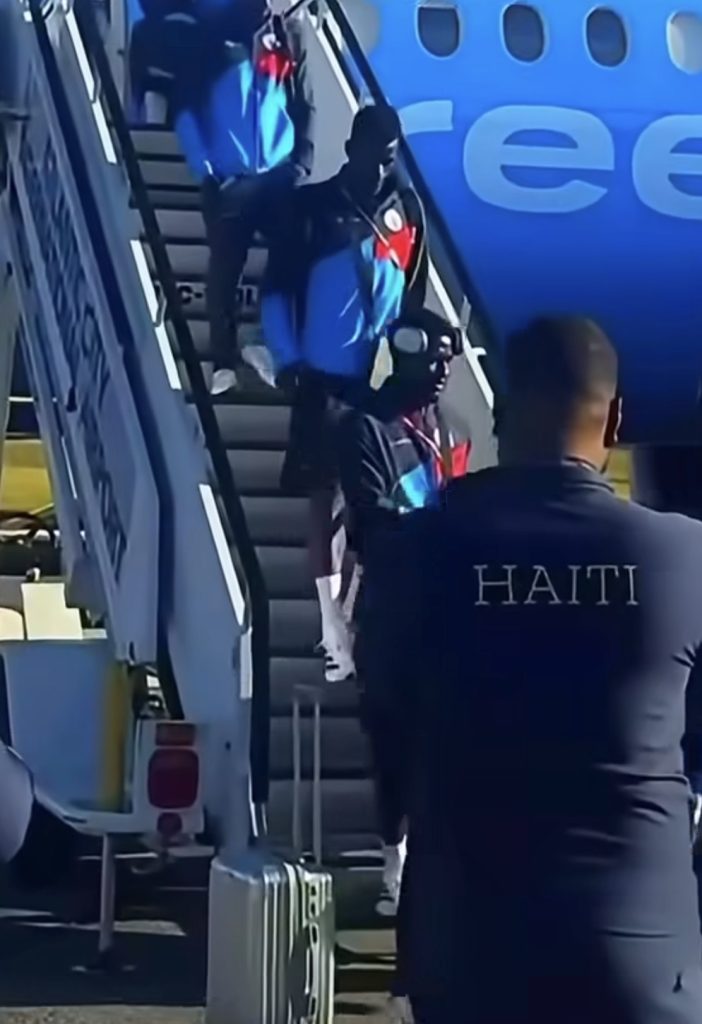
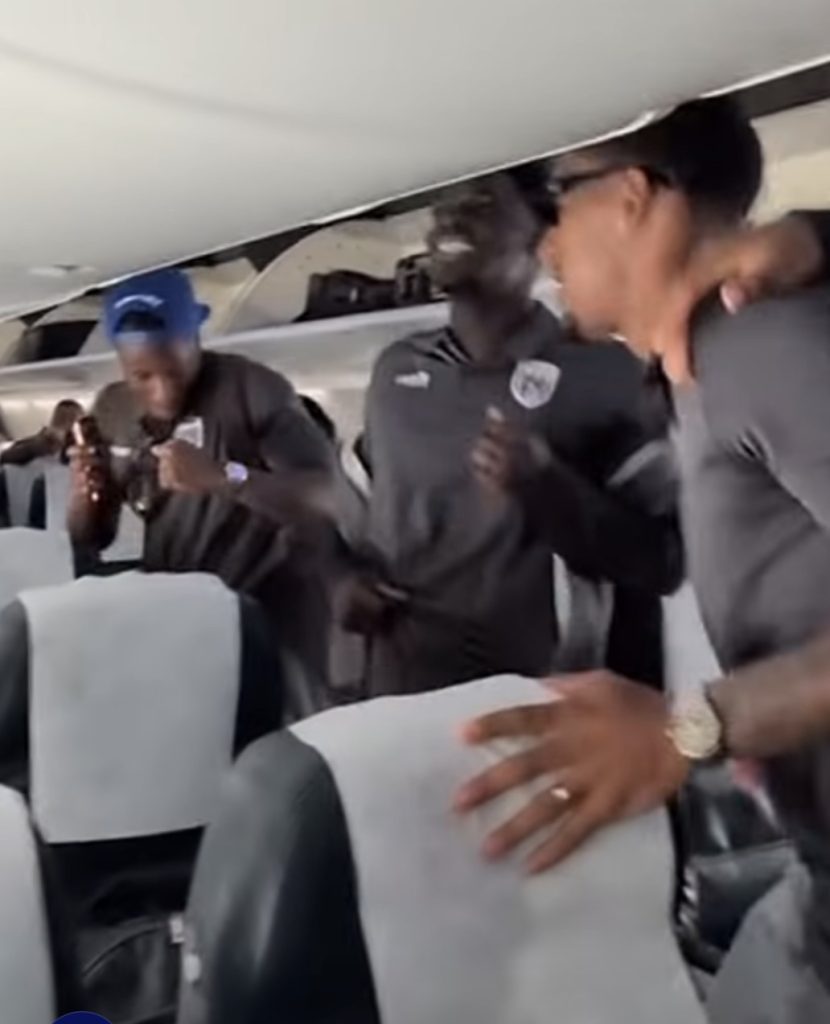
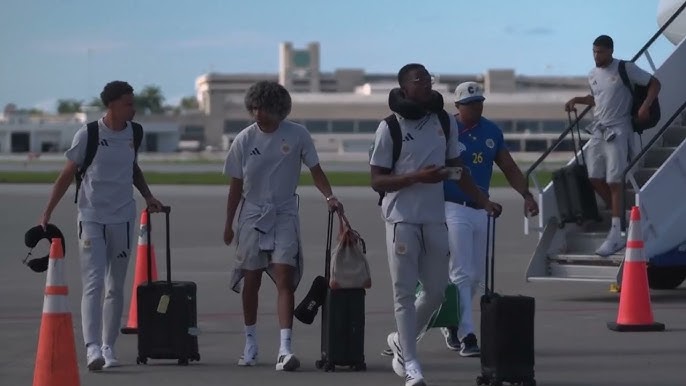
Teams Haiti, Cape Verde, and Curaçao Arriving For The Fifa WC 2026 Games ; Image Source: Instagram
France arrived backed by one of the most talked-about collaborations of the tournament. Jacquemus x Nike, and the French Football Federation brought together three powerful symbols of contemporary France. The collection was elegant, understated, and unmistakably French. Yet it also raises an interesting question. When one of the world’s great fashion capitals steps onto one of the world’s biggest stages, is elegance enough?
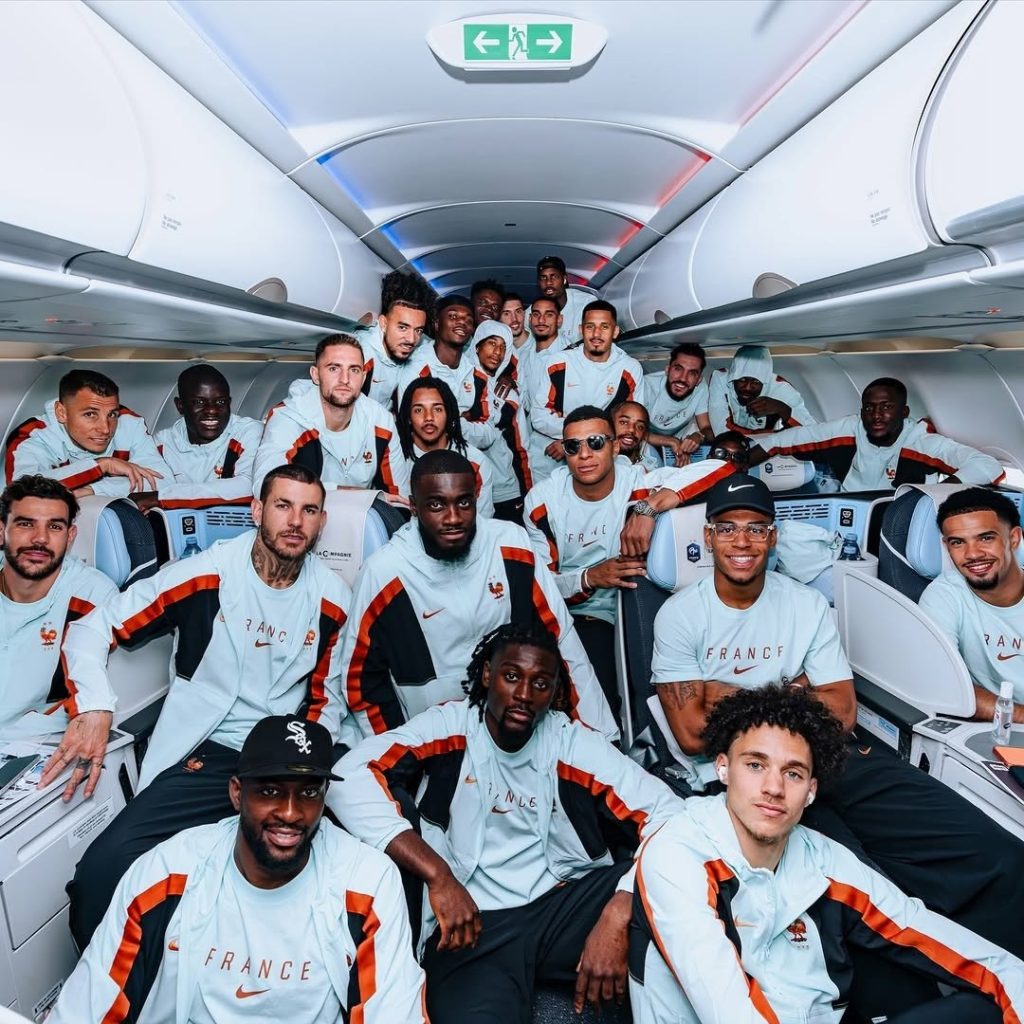
France Football Team 2026 Arrival ; Image Source : Facebook
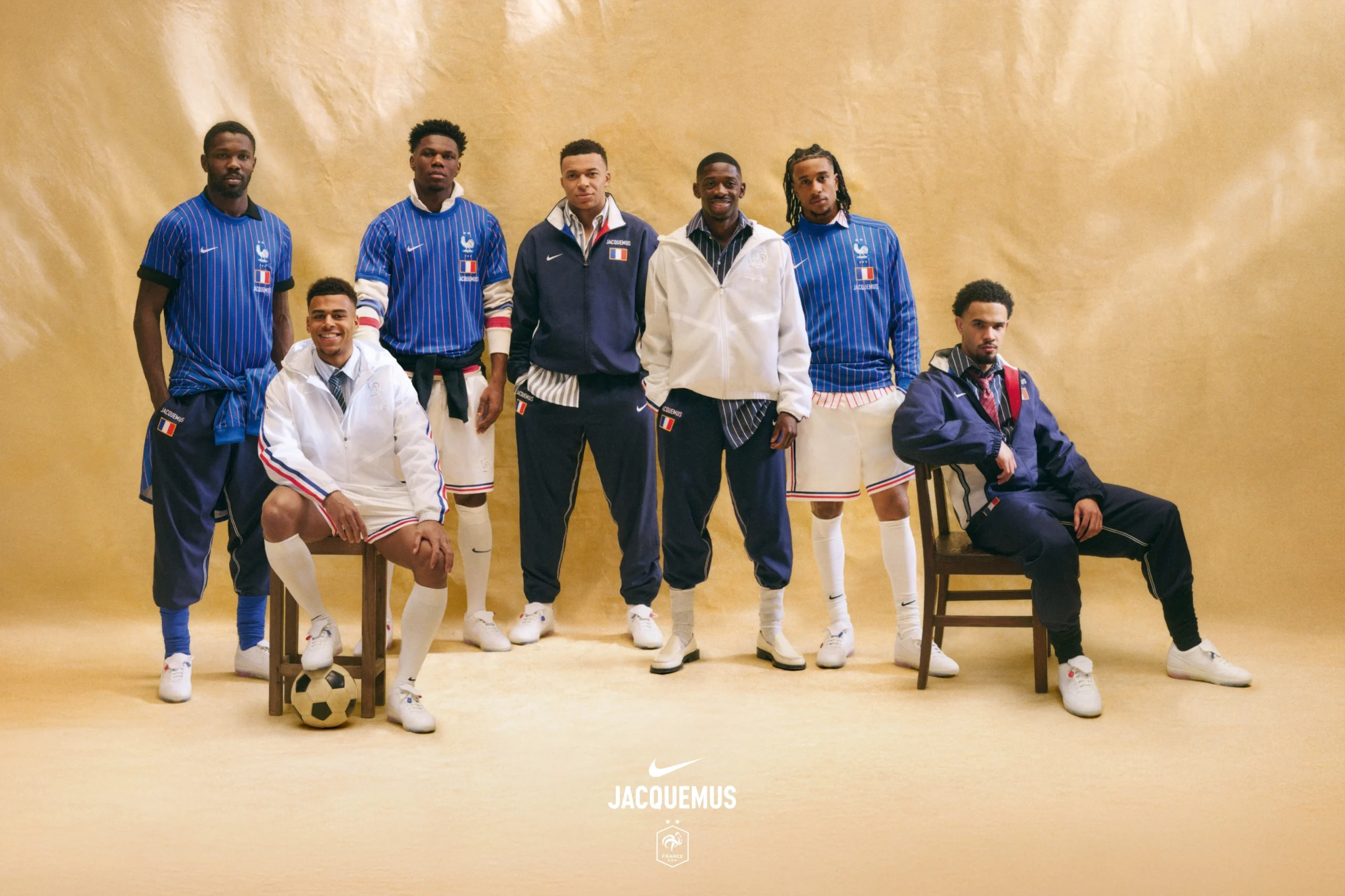
Jacquemus + Nike Team France ; Image Source : Jacquemus Press Office
France has spent generations defining luxury, style, and cultural influence. The collaboration was beautiful, but it also felt safe. There was a sense that the moment could have been pushed further. If any country has earned the right to surprise the world with fashion, it is France.
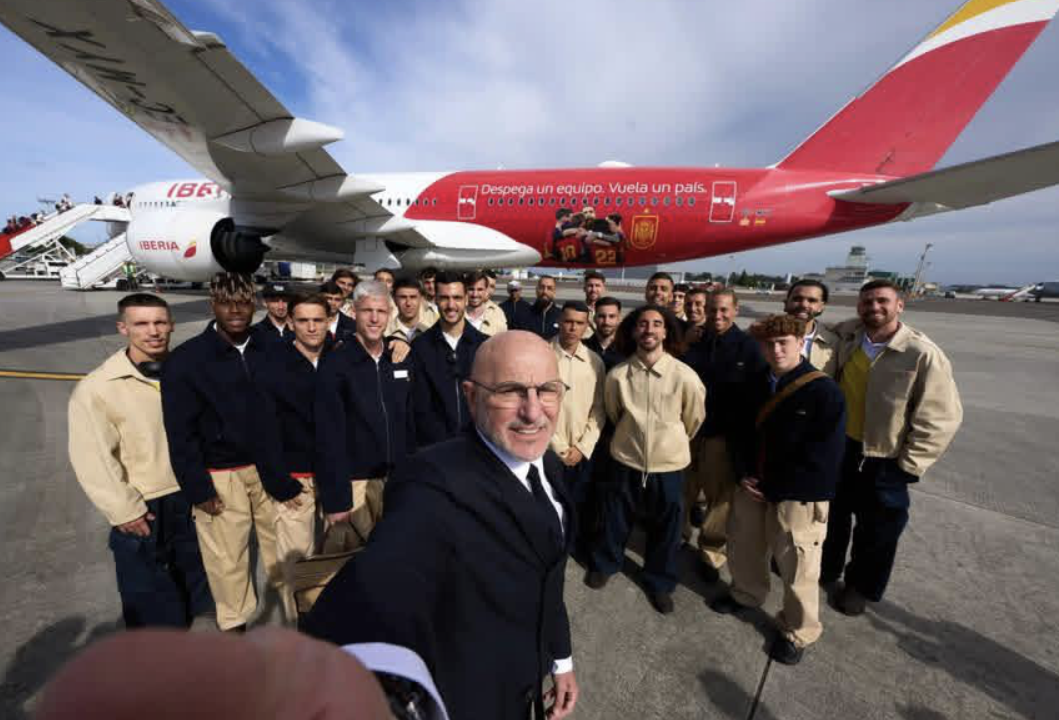
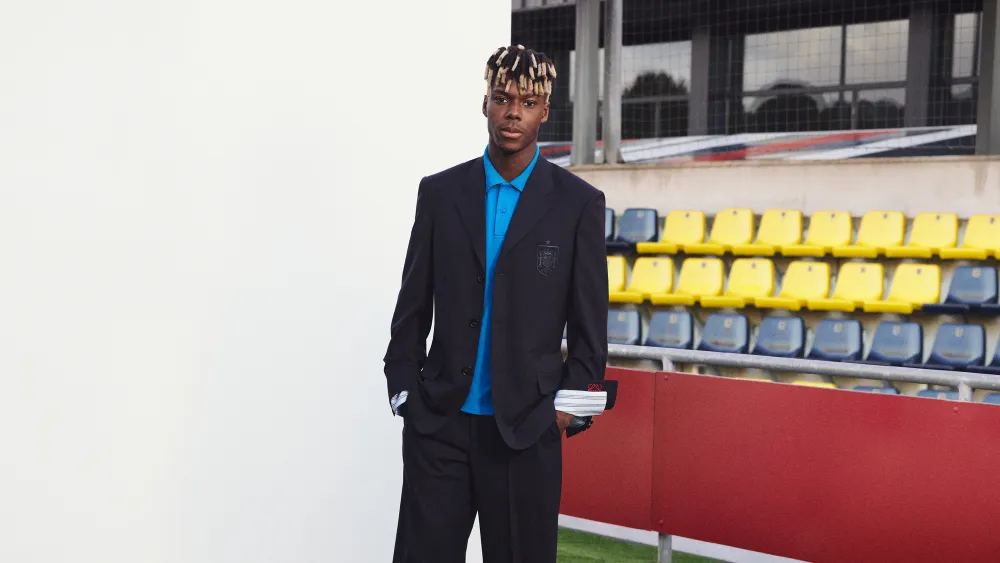
Spain x LOEWE ; Image Source : Instagram & Press Office
Spain found itself in a similar position through its partnership with Loewe. Like France, Spain arrived with one of fashion’s most respected names attached to its identity. The result was polished and luxurious, but it also reinforced an important lesson.
Luxury alone does not necessarily create a memorable image. Prestige is expected. Identity is remembered.
Japan offered one of the most thoughtful arrivals of the tournament. The team arrived in sharply tailored suits that immediately stood apart from the sea of tracksuits and casual travelwear seen elsewhere. What made the look memorable, however, was the incorporation of Hachimaki-inspired headwear, one of the most recognizable symbols of Japanese perseverance, focus, and determination. Worn alongside elegant tailoring, the detail added personality and cultural identity without overwhelming the overall look. The balance was remarkable. It felt contemporary, international, and unmistakably Japanese at the same time. In an age where many teams risk looking interchangeable, Japan understood that cultural identity can often be communicated most effectively through detail rather than spectacle.
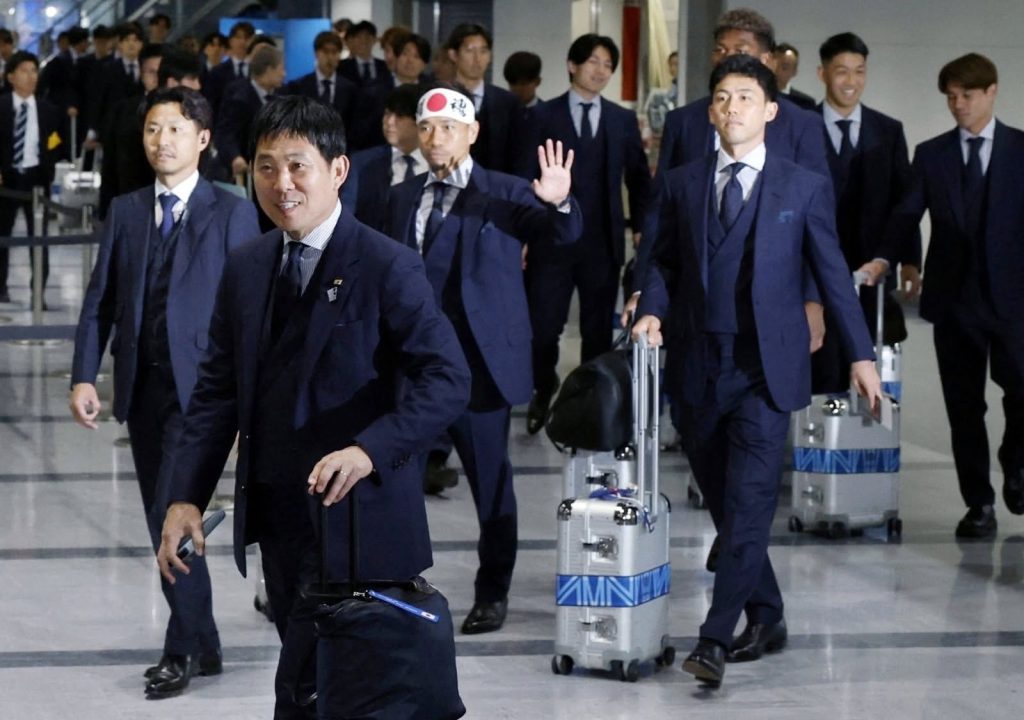
Japan National Football Team Arrival ; Image Source : Instagram
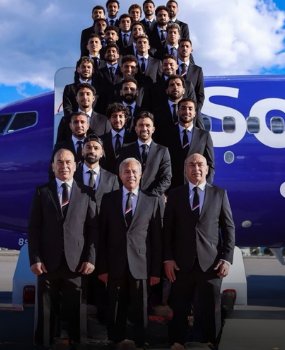
Egypt’s National Football Team; Image Source : Instagram
Egypt arrived in a way that felt familiar, but reassuringly so. The team opted for classic suiting, leaning into a polished, understated elegance rather than attempting to create a fashion moment. There was nothing particularly radical about the look, yet perhaps that was the point. Egypt carries one of the richest footballing histories on the African continent and arrived with the kind of quiet confidence that comes from knowing exactly who you are. The tailoring felt respectful of the occasion, a reminder that there is still something powerful about showing up looking as though the moment matters.
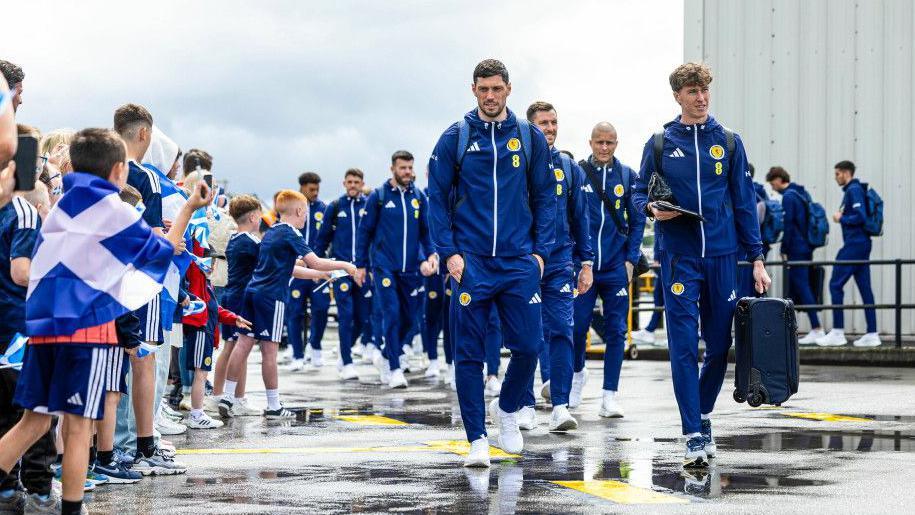
Scotland’s Football Team ; Image Source : BBC
Scotland perhaps highlighted the biggest missed opportunity of the tournament. After years away from football’s biggest stage, this was a moment that seemed to call for symbolism, personality, and a stronger expression of national identity. Instead, the team arrived in standard travelwear that could have belonged to almost any squad in the competition. Comfort was achieved, but identity was harder to find. No one expected full Highland dress, but Scotland possesses one of the strongest visual identities in world sport. A subtle tartan detail, a scarf, a tie, a blazer lining, or a contemporary nod to Scottish heritage could have transformed the arrival into something memorable. The Tartan Army understands the emotional power of those symbols instinctively. The arrival felt like an opportunity to bring a little more Scotland to the World Cup before a ball had even been kicked.
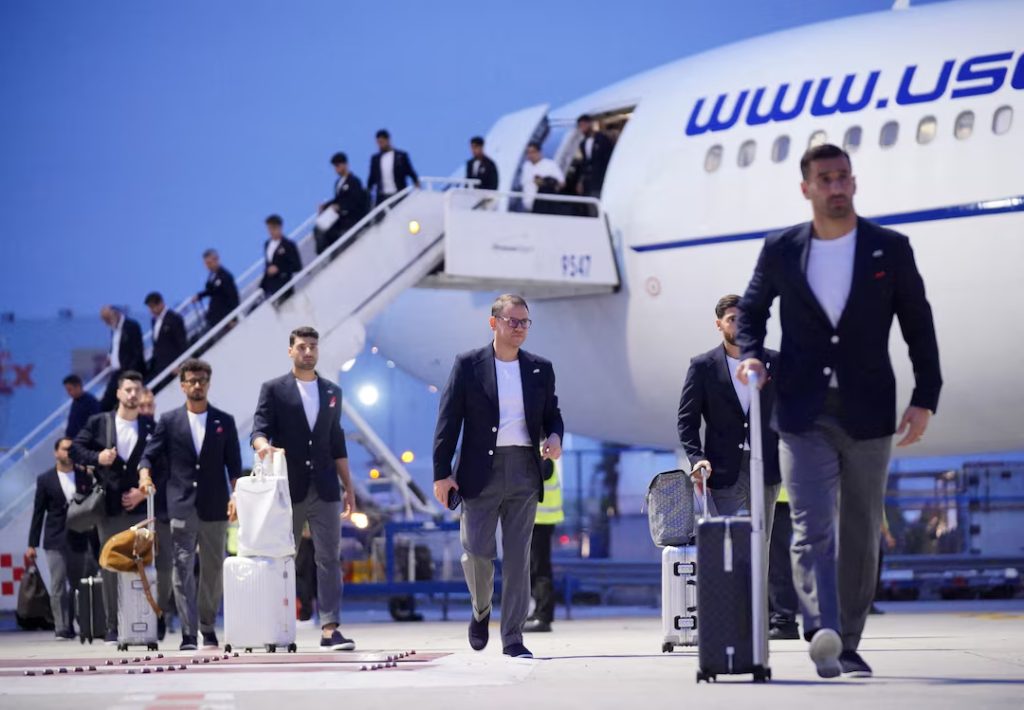
Iran’s National Team Arriving ; Image Source : Reuters
Iran reminded everyone that arrival dressing is not always about fashion. The team arrived in smart-casual tailoring, pairing dark suits with simple T-shirts, but it was the lapel pins that became the story. Worn in memory of the victims of the Minab school tragedy, the pins transformed the arrival into something larger than style.
It was a reminder that clothing can communicate grief, remembrance, and solidarity just as effectively as it can communicate luxury or status.
If Japan demonstrated the power of subtle cultural references, Saudi Arabia showed what happens when a team embraces cultural identity without compromise. While many nations arrived in variations of contemporary travelwear, the Saudi delegation stood out by appearing in traditional Saudi attire, including the thawb and traditional head coverings that remain central to the Kingdom’s cultural identity. It was one of the tournament’s clearest statements that representation does not always need to be translated through Western tailoring. Sometimes the strongest expression of national identity is simply arriving as yourself. In a competition where many teams searched for ways to stand apart, Saudi Arabia achieved it effortlessly by leaning into tradition rather than away from it.
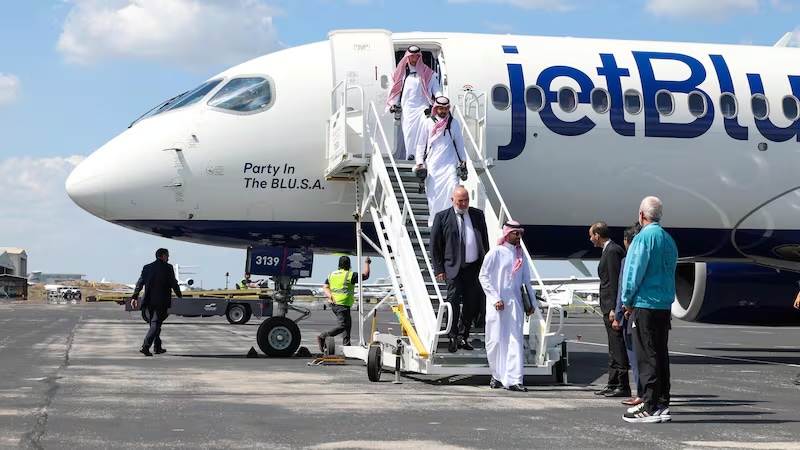
Saudi Arabia Represented in Cultural Attire ; Image Source : The National
Brazil took a different approach. The team arrived in charcoal-grey casualwear that felt clean, understated, and familiar. It wasn’t particularly memorable, but perhaps that is precisely the point. Brazil occupies a unique position in world football. Few nations possess a stronger sporting identity or a richer football legacy. Five stars above the crest tell a story that most countries can only dream of telling. That history allows Brazil a certain freedom. While other teams may feel compelled to communicate identity through fashion, symbolism, or styling, Brazil can often rely on the power of its football heritage to do much of the talking. The arrival reflected that confidence. Brazil has spent decades proving that the badge itself already commands attention.
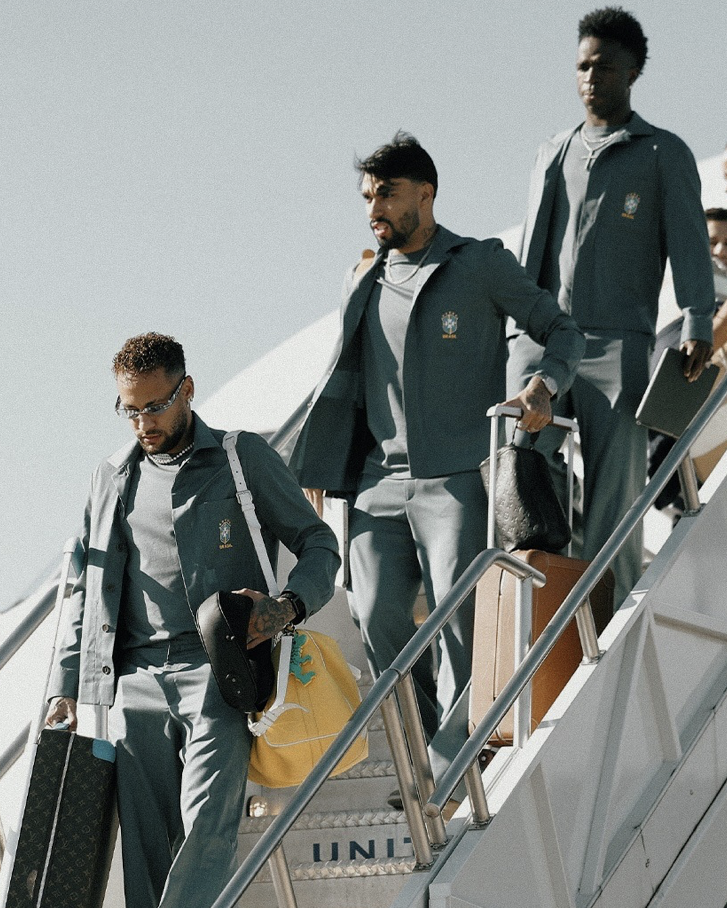
Brazil in Charcoal-Grey Casual Wear ; Image Source : Brut
Morocco demonstrated that cultural identity does not always require overt symbolism. The team arrived in classic dark tailoring accented with striking red ties, a simple detail that carried far more meaning than it first appeared. The colour echoed the red of the Moroccan flag, instantly connecting the players to the nation they represented. It was understated, but intentional. Coming from a team known worldwide as the Atlas Lions, the arrival projected confidence, discipline, and pride without relying on spectacle. The look felt polished, respectful of the occasion, and unmistakably Moroccan.
Senegal offered a different perspective. While some teams turned to tailoring and others to luxury collaborations, Senegal’s arrival felt rooted in cultural confidence. The Lions of Teranga have long carried a strong sense of identity onto the global stage, and that presence remains one of their defining characteristics. Whether through traditional attire, contemporary styling, or coordinated teamwear, the most memorable Senegalese appearances have always communicated pride, unity, and representation. In a tournament built on first impressions, that sense of identity matters just as much as the clothes themselves.

Morocco’s Atlas Lions Added Simple Details ; Image Source : Facebook
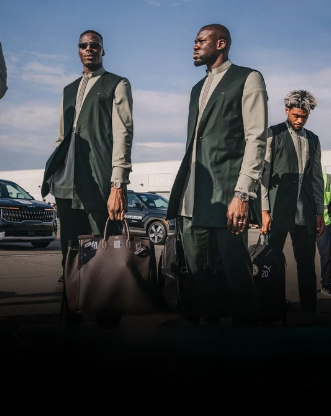
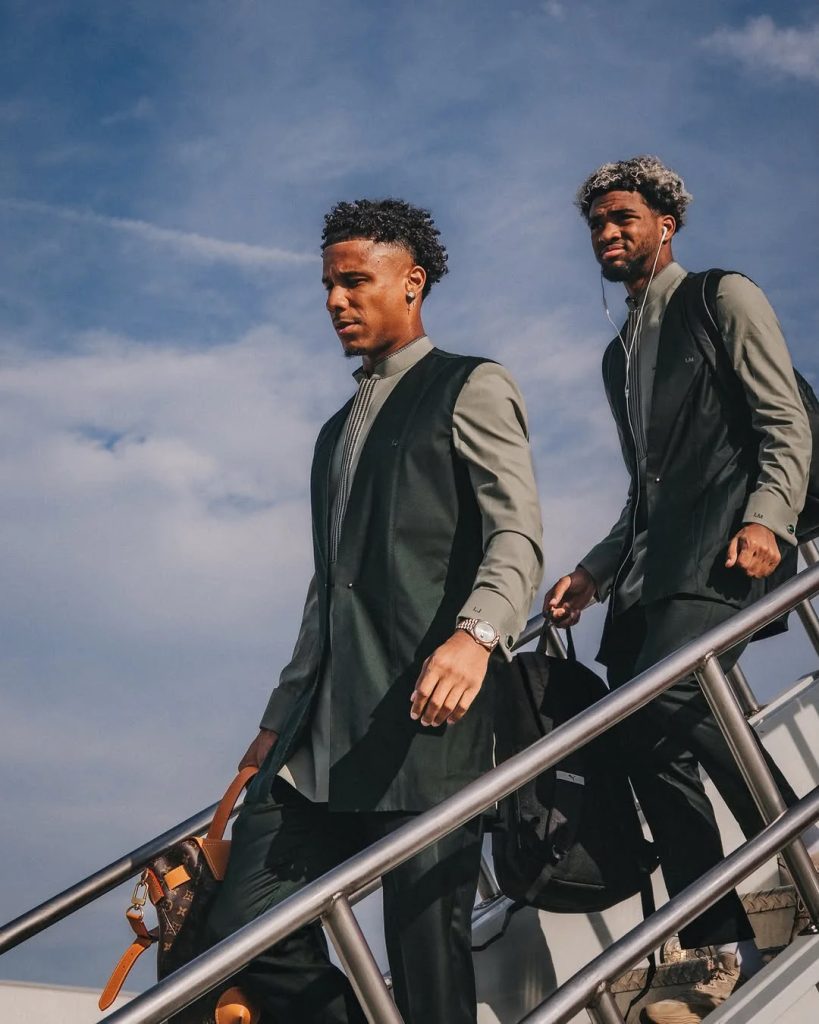
Senegal’s Cultural Confidence ; Image Source : Amplify Africa
This is where the conversation becomes particularly interesting because Africa has always had a sophisticated relationship with dress. Across the continent, clothing has long communicated status, celebration, achievement, spirituality, heritage, and belonging. Long before luxury houses turned storytelling into a marketing strategy, African cultures were already telling stories through textiles, tailoring, colour, craftsmanship, and adornment.
Dressing well has never been simply about appearance. It has often been about identity, pride, and presence.
Perhaps that is why so many African teams appeared comfortable embracing arrival as a form of representation. The clothing did not feel disconnected from the moment. It felt part of the moment.
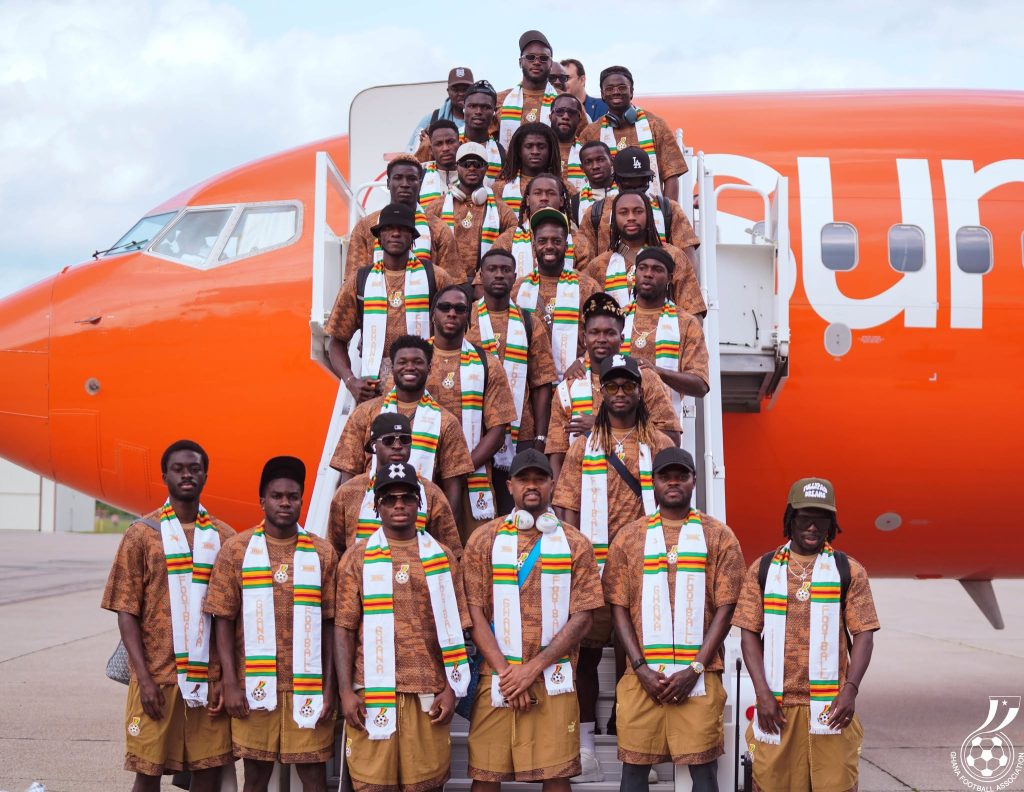
Ghana’s Black Stars in Providence, Rhode Island; Image Source : Ghana Football Association
Ghana offered another reminder that representation does not always require a suit. The team arrived in coordinated casualwear, pairing relaxed travel attire with Kente-inspired scarves draped around their shoulders. It was a simple gesture, but an effective one. The look balanced comfort with cultural identity, proving that national symbolism does not have to be formal to be meaningful.
What made the arrival memorable was the way the Kente fabric immediately connected the players to Ghana’s rich textile heritage. Against the simplicity of T-shirts, shorts, and modern travelwear, the vibrant woven patterns became the focal point. The styling felt contemporary without abandoning tradition. In a tournament where many teams appeared in nearly identical sportswear, Ghana found a way to stand apart while remaining unmistakably itself.

And then there was Côte d’Ivoire.
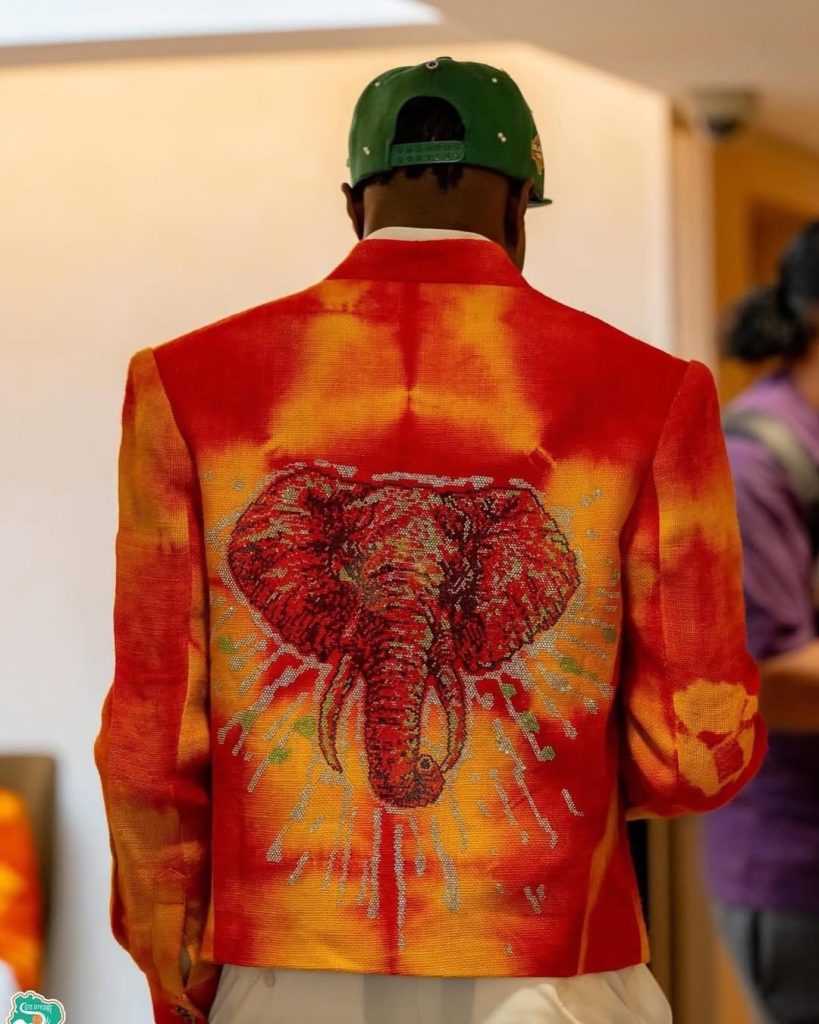
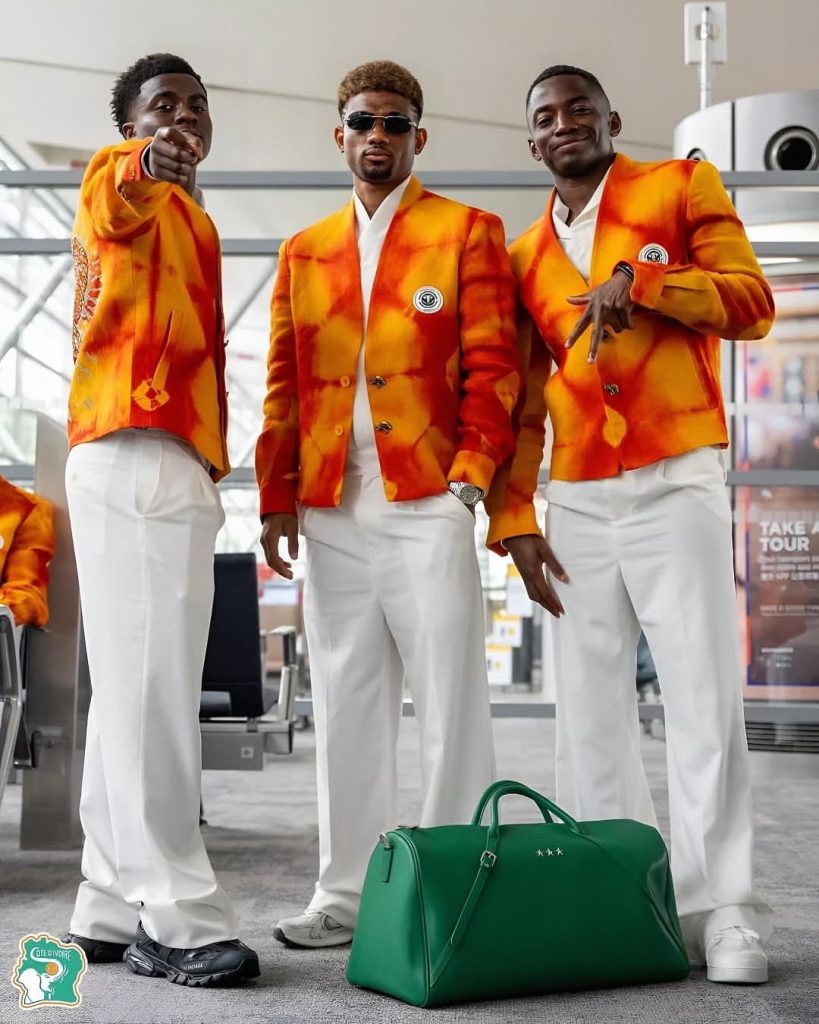
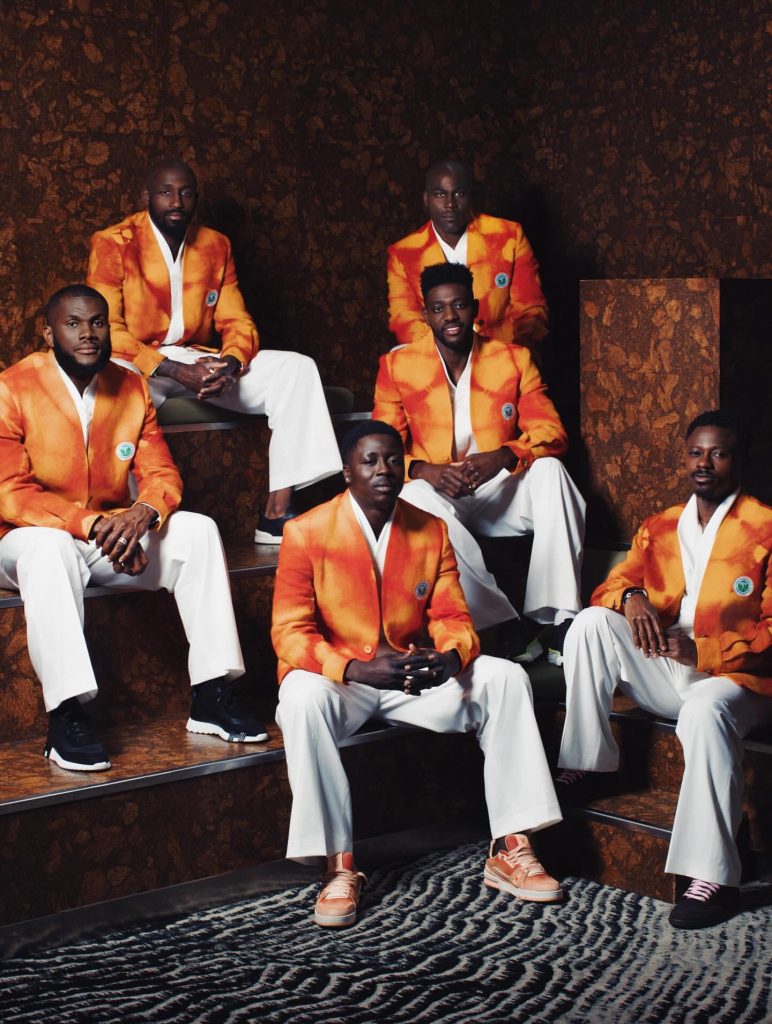
The orange blazers paired with crisp white trousers were impossible to ignore. The colour combination felt optimistic, confident, and perfectly suited to a summer tournament. More importantly, it felt unmistakably Ivorian. Orange and white are woven into the country’s national identity, and seeing those colours translated into contemporary tailoring created one of the tournament’s strongest visual statements before a ball had even been kicked.
Then there was Les Éléphants across the back. A direct reference to the national team’s iconic nickname, the detail transformed the outfit from stylish to symbolic. The tailoring was sharp. The colours carried meaning. The symbolism felt effortless. Together, the look communicated exactly what great arrival dressing should communicate: identity.
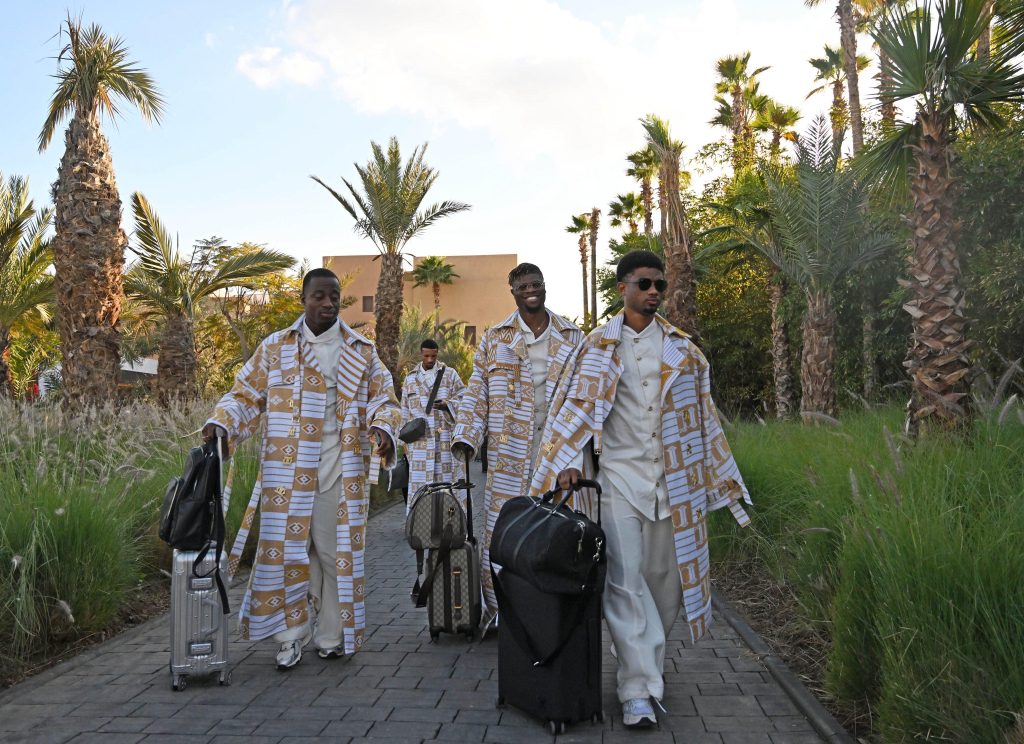
Cote D’Ivoire at AFCON ; Image Source : Reddit
What made the arrival even stronger was the sense of continuity. Anyone who followed Côte d’Ivoire’s presentation during AFCON will remember the striking check-patterned outerwear, the tailoring, and the attention paid to visual identity. This did not feel like a one-off fashion experiment. It felt like the continuation of a broader story, one that understands representation extends far beyond ninety minutes on the pitch.
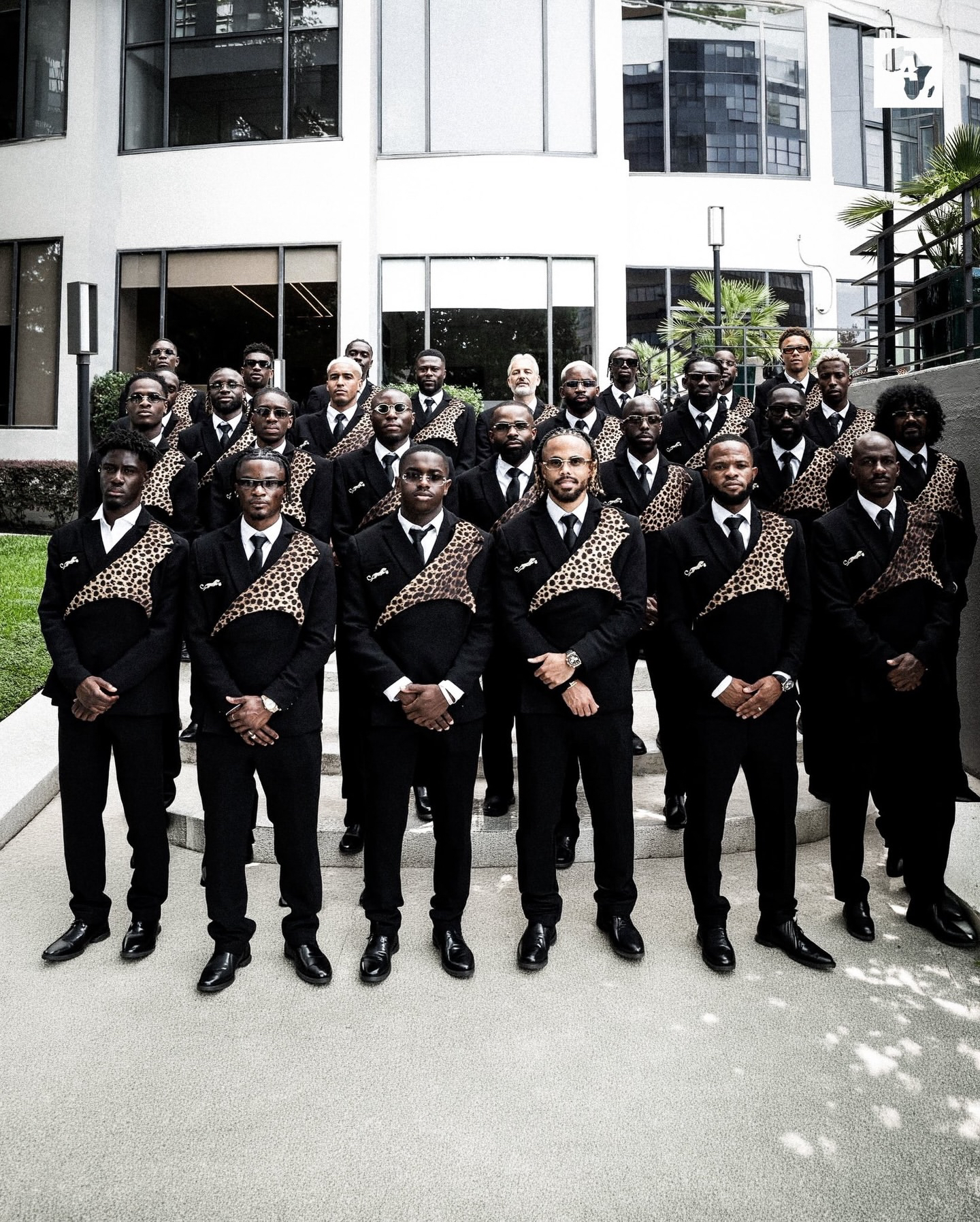
Democratic Republic of the Congo was among the tournament’s strongest arrivals. The Leopards appeared in coordinated tailoring that immediately communicated occasion, confidence, and national pride. The look felt deliberate rather than performative. Every detail appeared considered, creating a visual identity that was difficult to overlook.
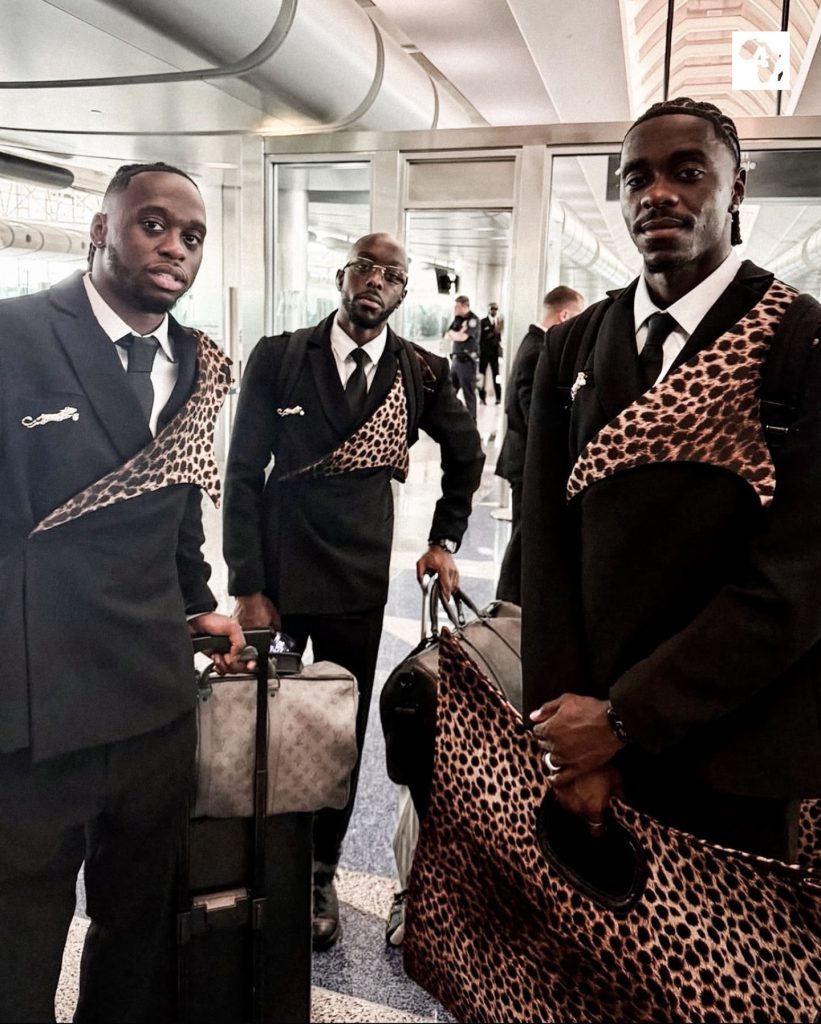
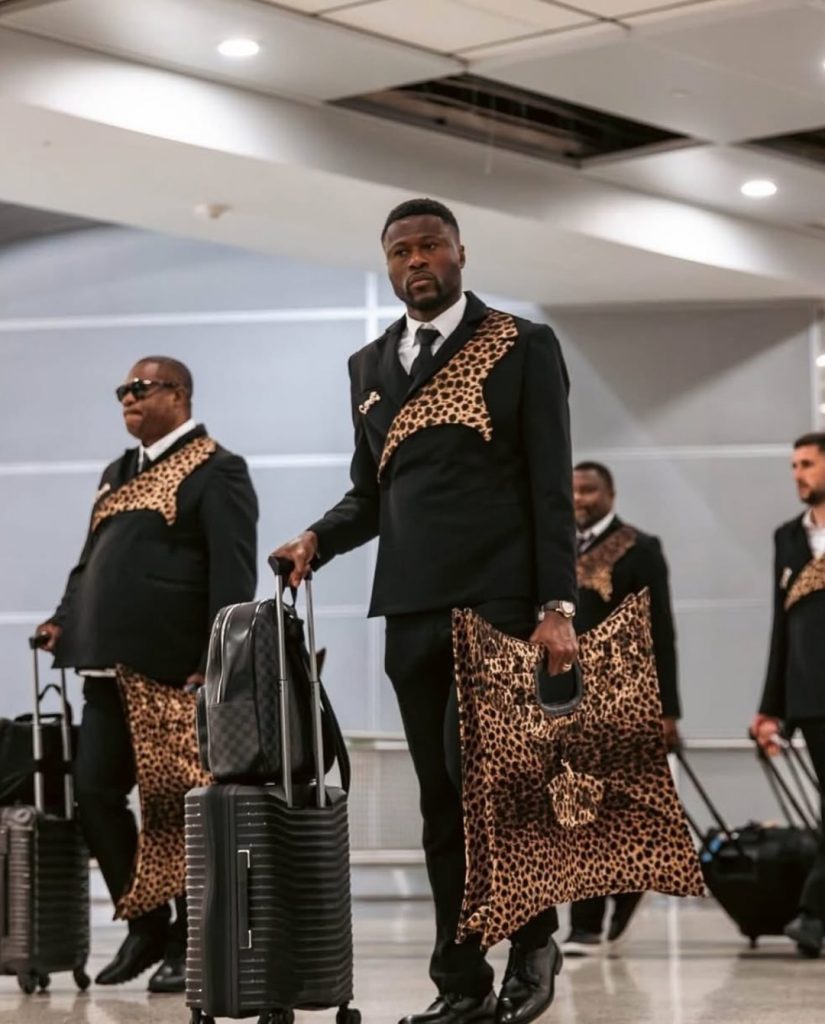
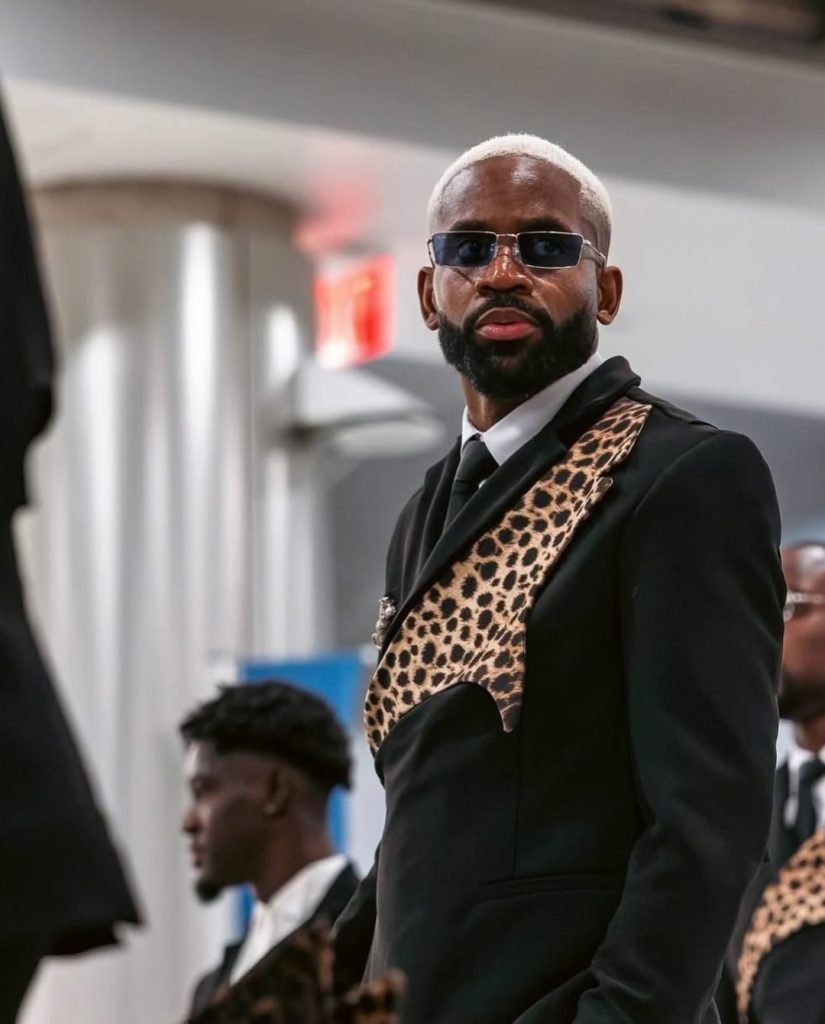
The Democratic Republic of Congo’s Leopards Shining Moment ; Image Source : Culture Custodian
What made the arrival particularly compelling was its sense of unity. The players did not look like individuals travelling together. They looked like representatives of a nation arriving for one of the world’s most important sporting events. In an era where many teams default to generic travelwear, DR Congo reminded everyone that presentation can still carry meaning.
There is also a broader cultural context that makes the arrival resonate. Congolese style has long occupied a unique place in global fashion culture, particularly through traditions that celebrate tailoring, elegance, colour, and self-expression. The Leopards carried some of that spirit with them. The result was one of the tournament’s most polished and memorable arrivals.
Together with Côte d’Ivoire, Morocco, and Saudi Arabia, they reinforced one of the article’s central ideas: the most memorable arrivals are not necessarily the most expensive. They are the ones that communicate identity with clarity and confidence.
That is the difference between dressing a team and building an image.
The strongest arrivals at this World Cup were not necessarily the most expensive, the most formal, or even the most fashionable. They were the ones that answered a simple question: Who are you?
Some nations leaned into luxury. Others drew from heritage, symbolism, remembrance, or cultural identity. A few relied on confidence alone.
What united the most memorable arrivals was not what they wore, but what they communicated.
And perhaps that is why arrival dressing matters.
The World Cup has always been about football, but it has never been only about football. It is a global stage where nations project identity, culture, pride, confidence, and memory to the world. The matches will decide who advances, who becomes legend, and who goes home early. But before any of that happens, every country has already made a first impression.
In a tournament watched by billions, the first statement is not always made with the ball. Sometimes it is made in a blazer, a scarf, a lapel pin, a pattern, a colour, or a symbol. Sometimes it is made in the decision to treat arrival not as transit, but as ceremony.
Dress like the world is watching, because at the World Cup, it is.
What's Your Reaction?

