
Who Gets to Define Tradition?

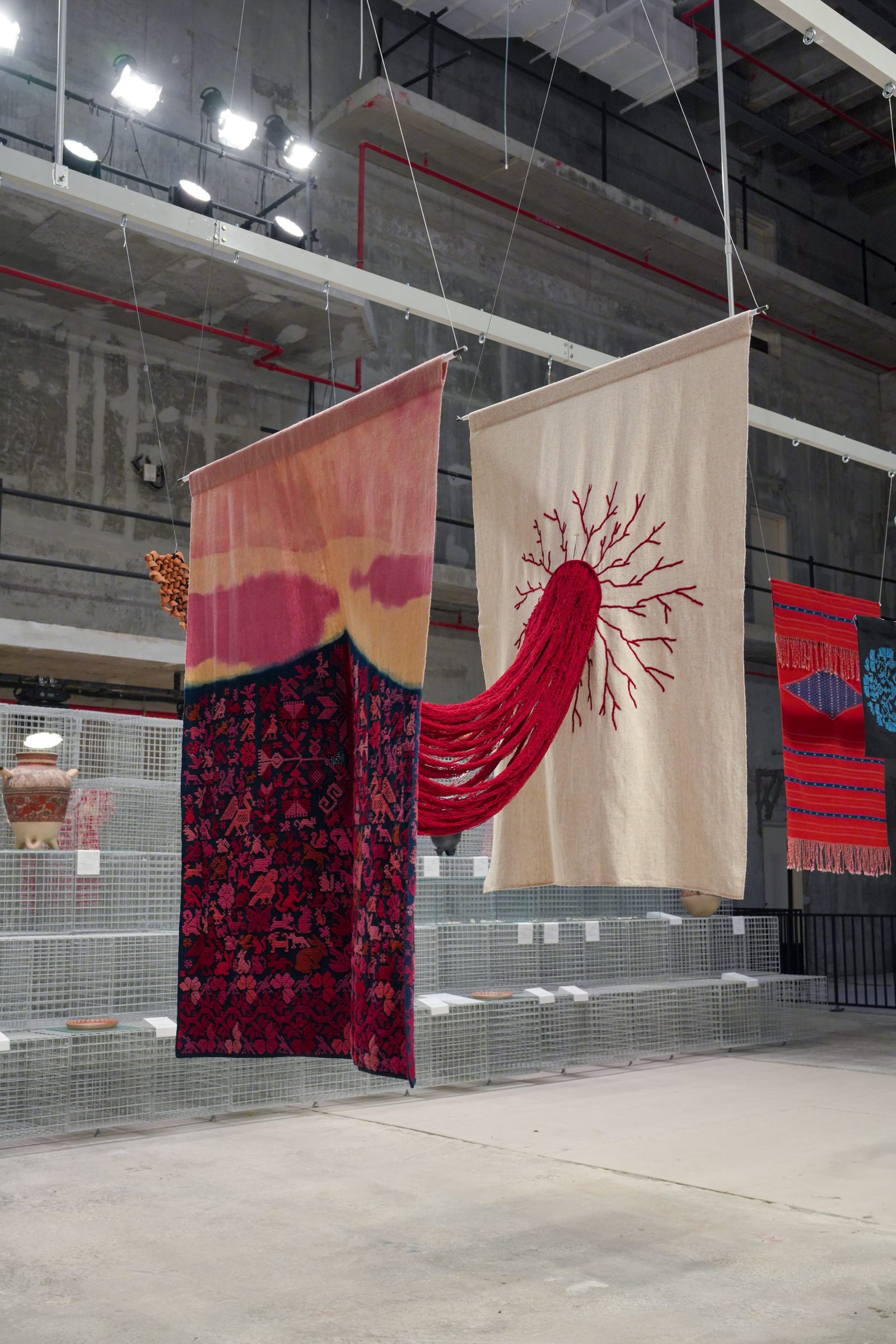

In Doha, Expanded Tradition brings the work of Mexican artisans into an international conversation about heritage, identity and creative freedom. In an exclusive interview with Gazetta, curator Ana Elena Mallet discusses the people challenging established ideas of craftsmanship, the uncomfortable realities of the luxury industry and why the future of tradition belongs to those who practise it.
An Exclusive Gazetta Interview with Ana Elena Mallet
There is a curious contradiction in the way we admire craftsmanship. We celebrate the years it takes to master a technique, the patience required to work with difficult materials and the knowledge passed between generations. Then, when an artisan decides to experiment, we begin asking questions about authenticity.
How much can a traditional object change before we stop recognising it? Who decides whether a new interpretation still belongs to the culture that produced it? And why do we so often expect artisans to preserve the past while allowing designers the freedom to invent?
These questions sit at the heart of Expanded Tradition: Contemporary Craft Practices in Mexico, an exhibition presented by Qatar Museums at M7 in Msheireb Downtown Doha, from 27 October to 26 December 2026.
Curated by Mexican design researcher Ana Elena Mallet, the exhibition brings together more than 100 objects, including textiles, jewellery, ceramics, furniture and footwear. The participating artisans and collectives come from twelve Mexican states, with practices shaped by different communities, materials and cultural histories.
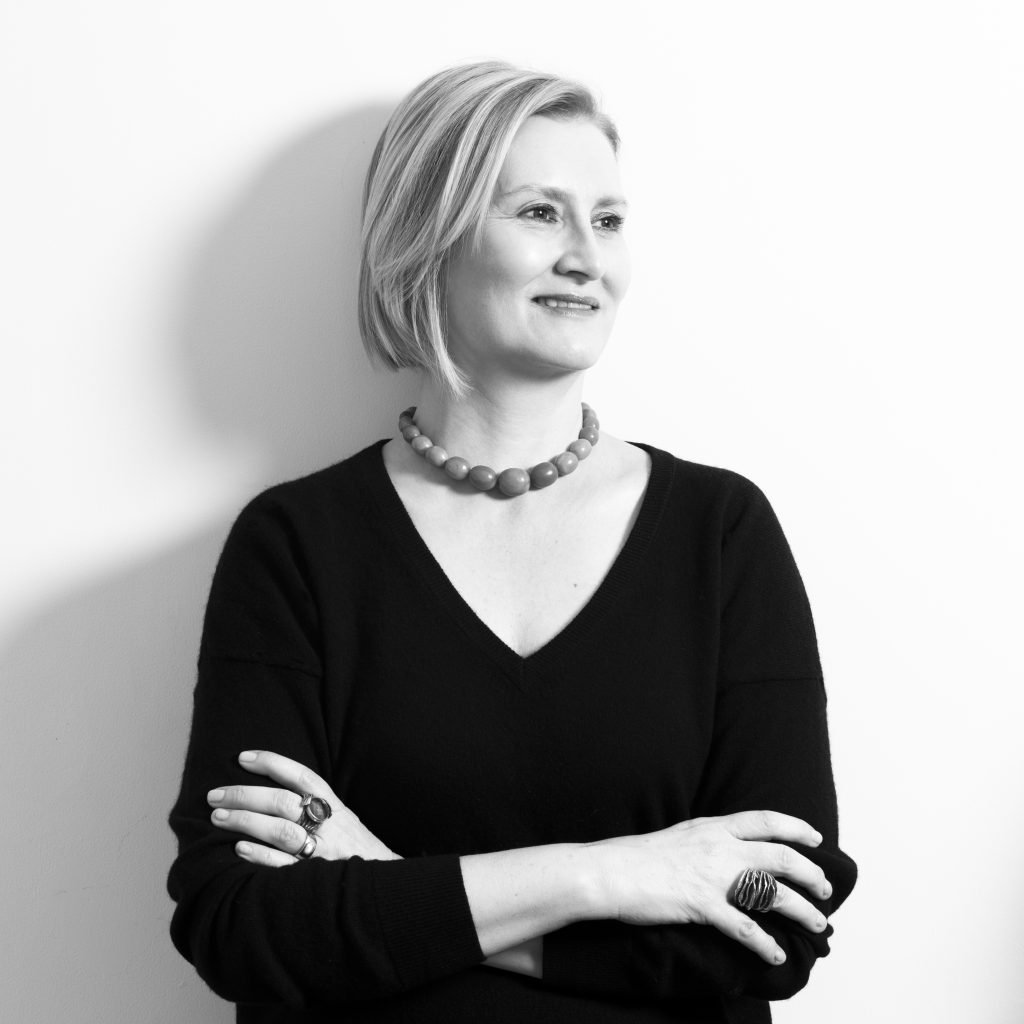
Ana Elena Mallet, Curator and Mexican Design Researcher ; Image Source : Press Office
The exhibition forms part of the Qatar, Canada and Mexico 2026 Year of Culture, but its questions extend well beyond national borders. They concern the value we place on human skill, the ownership of cultural knowledge and the conditions that allow creative traditions to continue.
In an exclusive interview with Gazetta, Mallet discusses the research behind the exhibition and the conversations with artisans that changed how she thinks about tradition.
The Freedom to Change What We Inherit
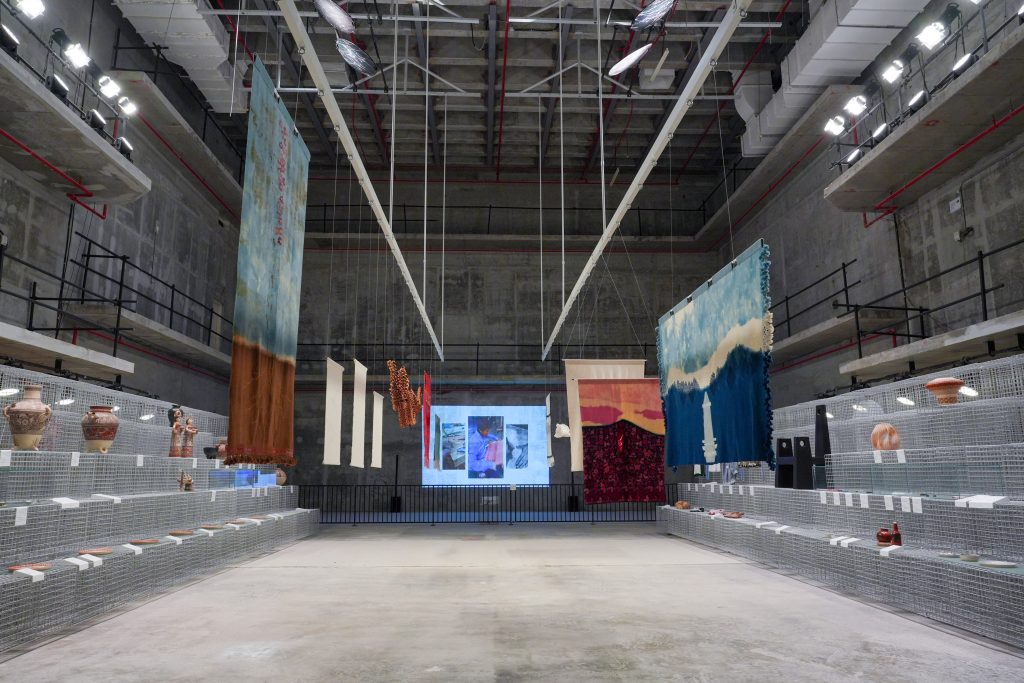
Image Source: Press Office
One of the most revealing things Mallet tells Gazetta is that the exhibition challenged her own understanding of preservation.
“For a long time I worked with a vocabulary that set preservation against innovation, as if tradition were a deposit to be guarded and every change a loss.”
That assumption began to unravel through conversations with the makers themselves.
Carmen Tapia, a silversmith working in Taxco, offered a particularly compelling perspective. Silverwork in Taxco developed alongside modernity, she explained to Mallet, making innovation part of the tradition itself.
Tapia also works with tumbaga, a metal alloy with pre-Hispanic origins. Her practice moves between contemporary experimentation and the recovery of historical knowledge.
Sometimes the decision to innovate takes an artisan further into the past.
For Boris García, from Huautla de Jiménez, the starting point was a collection of historical Mazatec huipiles. Studying garments preserved in museums, including the Museo Textil de Oaxaca, he rediscovered embroidered birds and flowers that had largely disappeared from his community’s contemporary practice.
He brought those motifs back, introducing colours beyond the red and black used in the historical garments.
Mallet found herself reconsidering the distinction between preservation and reinvention.
“The question is not how much an object has changed, but who decided the change.”
That observation gives the exhibition much of its strength. García’s work belongs to a continuing cultural practice, and he has a voice in determining how it develops.
Who Has the Right to Call Something Authentic?
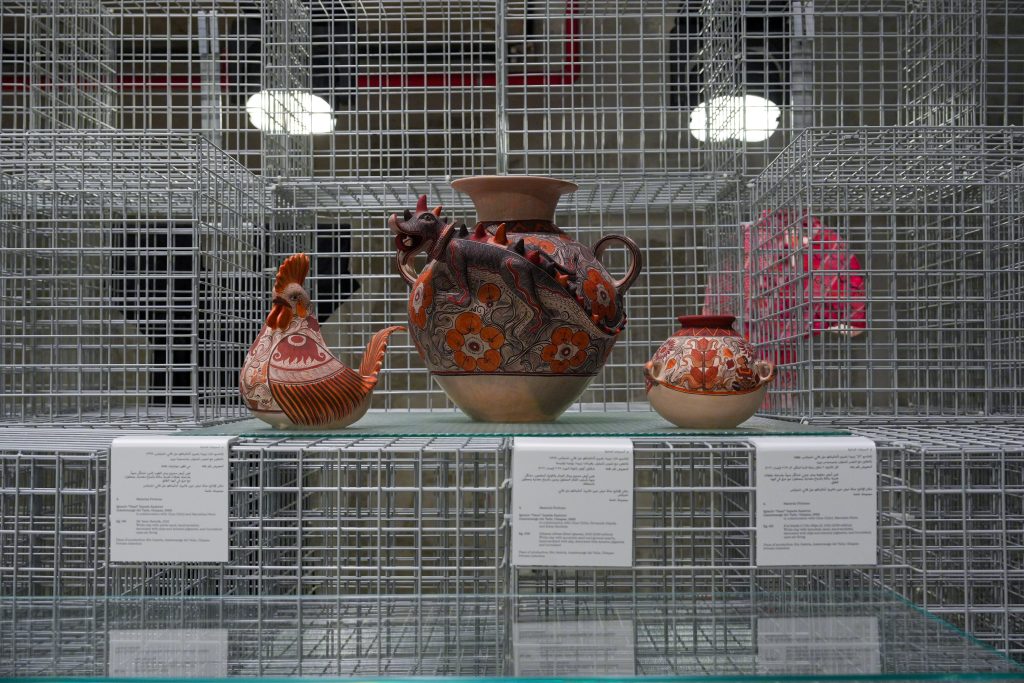
Image Source: Press Office
The word authentic appears frequently in conversations about craft. Collectors use it. Museums use it. Luxury brands build entire campaigns around it.
But what does it mean to the person making the object?
“I distrust the word, or at least the way it is usually used,” Mallet tells Gazetta.
She explains that outsiders often decide what a recognisably Mexican object should look like. Their expectations can become commercial rules, limiting the freedom of artisans whose work has always responded to changing circumstances.
“The authority belongs to the people who sustain a practice, and communities are not homogeneous.”
Her example of Liliana Filomeno, an artisan from Hueyapan in Puebla, brings this question into everyday life.
Filomeno works with textile traditions rooted in her community, including the tree-of-life motif embroidered onto local shawls. Her interpretations draw on her own body, surroundings and experiences.
Yet some of her most consequential work has taken place beyond the loom.
As demand for natural dyes increased, the plants used to produce them came under pressure. In 2018, Filomeno and her parents established the Tayol ethnobotanical garden to cultivate these plants and protect their availability.
Without those plants, the colours associated with her community’s textiles could become increasingly difficult to produce.
The garden is therefore part of the story of the textiles themselves. It reveals how much work can be involved in keeping a practice alive, long before anyone begins weaving.
The People Behind the Beautiful Objects
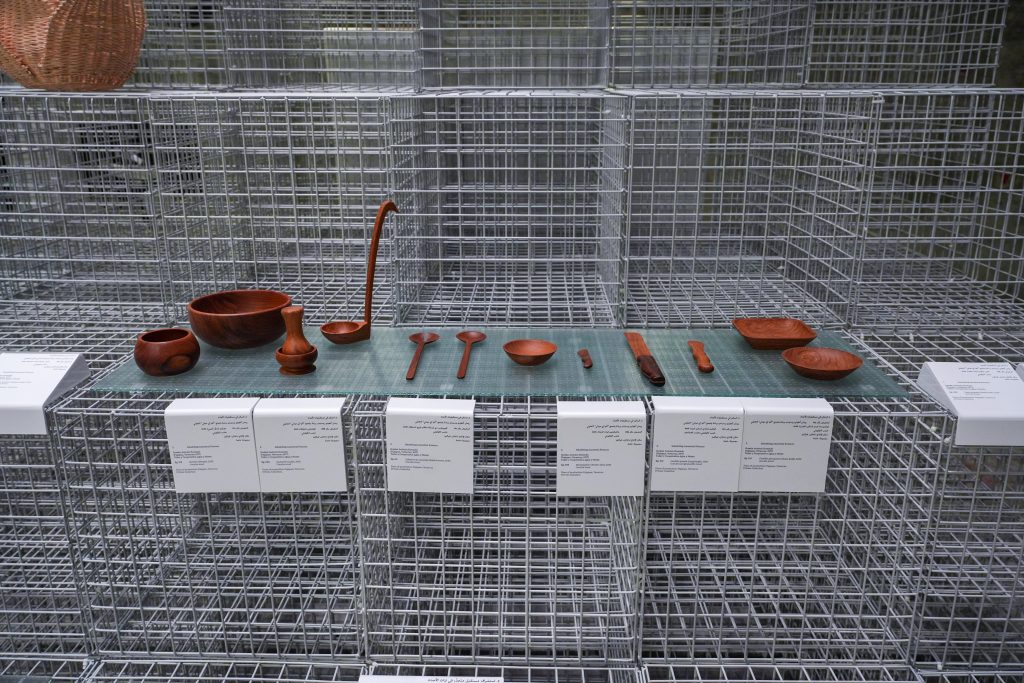
Image Source: Press Office
Spend enough time looking at a beautifully made piece of jewellery and it becomes easy to forget everything that happened before it reached the display case.
The material had to be understood. Someone made decisions about temperature, pressure, texture and proportion. There were probably mistakes, adjustments and moments when the maker relied on knowledge that could not easily be written down.
Mallet believes that this intelligence has often been undervalued.
“The separation between the hand that executes and the mind that conceives is an old hierarchy, inherited from the European academy.”
During her conversations with Carmen Tapia, the silversmith described judging melting temperatures without instruments, understanding the porosity of metal and anticipating how silver would respond during different stages of production.
Mallet’s conclusion is unequivocal.
“That is knowledge, and making decisions with it is authorship.”
The exhibition also considers work produced collectively.
Naaz Zepeda, from Amatenango del Valle in Chiapas, collaborates with women potters from his community. Their work challenges the familiar idea of the artist as a single individual whose name appears beside an object.
Mallet argues that institutions must acknowledge these collective contributions, beginning with proper attribution and fair compensation.
It is a question of recognising who has done the thinking, experimenting and making.
The Price of Keeping a Craft Alive
There is considerable international interest in traditional craftsmanship. Luxury brands commission artisanal work, museums organise exhibitions and collectors seek objects that carry a story of heritage.
For the people responsible for those skills, however, recognition does not always translate into a sustainable livelihood.
Mallet is particularly concerned about the way collaborations are structured.
“Collaboration is not good by definition.”
She describes projects in which designers or brands borrow techniques and cultural imagery, place their own names on the finished work and leave the originating communities with modest payments.
“That is extraction, even when it presents itself as rescue.”
Her criticism raises a difficult question for the luxury industry. When a traditional technique becomes part of an expensive product, how much of its value returns to the people who developed and sustained it?
Mallet believes responsible collaboration begins long before production.
Who proposed the project? Who makes the creative decisions? Who owns the rights to reproduce the work? What happens to the artisan’s livelihood once the collaboration ends?
She advocates written agreements, transparent pricing, shared authorship where appropriate and payment for research and experimentation.
She also insists that artisans must have the freedom to refuse a proposal.
“Visibility is welcome, but it does not sustain a workshop.”
That sentence deserves attention. A craft can attract international admiration while the people practising it struggle to earn enough to continue.
What Happens When a Craft Leaves the Workshop?
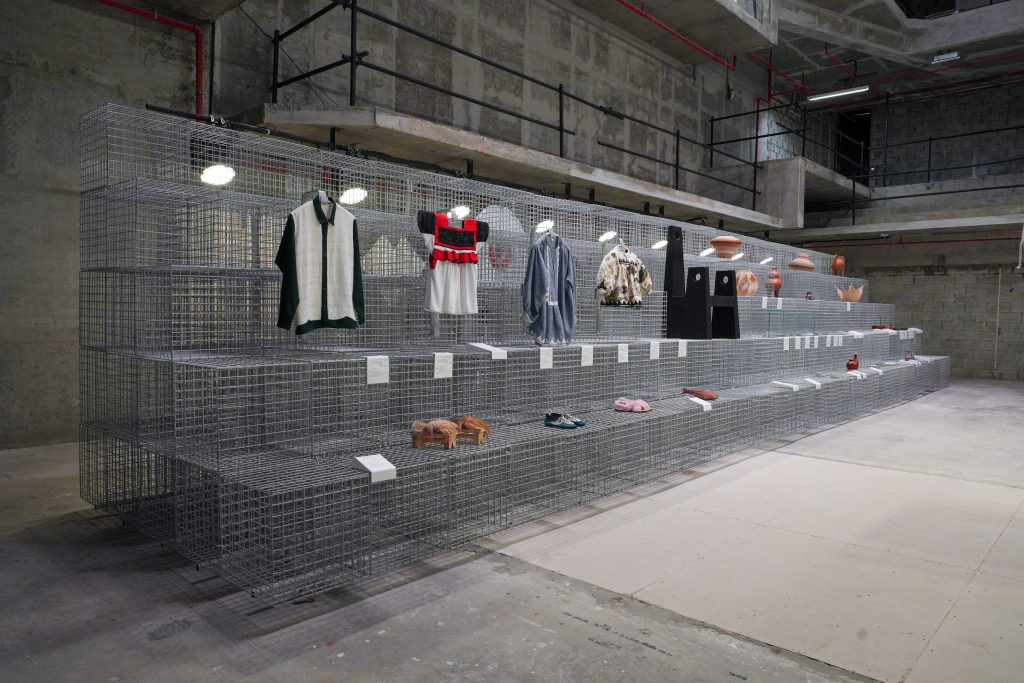
Image Source: Press Office
An exhibition allows visitors to encounter objects they might otherwise never see. It also changes their context.
A woven garment once belonged to someone’s daily life. A ceramic vessel emerged from a workshop with its own rhythms and relationships. A piece of jewellery may carry knowledge shared within a family.
Inside a museum, those connections are not always visible.
“A museum always uproots objects,” Mallet explains.
For Expanded Tradition, she wanted the exhibition to acknowledge that separation.
Rather than organising the works by geographical region or material, she developed five thematic sections: Inheriting the Gesture, Material Fictions, Imagined Territories, Wearing Identity and Inhabiting Ancestral Futures.
The progression encourages visitors to consider how knowledge travels between people, how materials invite experimentation and how inherited practices acquire new meanings.
The exhibition’s design and museography, developed by Mexico City’s LANZA Atelier, provide a setting for these conversations.
Mallet also selected works that reveal something of the maker’s decision-making.
In Carmen Tapia’s silver pieces, the metal follows the grain created through casting and rolling. She favours matte finishes, despite the historical preference for polished silver in Taxco, because they allow the form to be seen more clearly.
The choice may appear subtle, but it tells us something about Tapia’s independence as a maker.
Mallet also resists presenting workshops as idyllic places untouched by contemporary problems. Tapia remembers her father’s workshop as a male environment where she was not expected to participate.
These histories matter. The transmission of craft knowledge has never been separate from questions of gender, opportunity and economic survival.
A Mexico Beyond the Familiar Images
Ask an international audience to picture Mexican craftsmanship and certain images are likely to appear: vivid colours, decorative motifs and festive forms.
These traditions are real, but Mexico’s creative landscape is far more varied than the image that has circulated through tourism, cultural institutions and commercial markets.
Mallet notes that the familiar visual identity of Mexican craft was shaped significantly during the twentieth century.
The danger comes when that image becomes an expectation that artisans must satisfy.
Expanded Tradition includes work connected to Zapotec, Nahua, Purépecha, Tsotsil, Mazatec and Rarámuri communities, among others. Their materials, methods and visual languages reflect very different histories.
Some artisans embrace recognisable references. Others pursue abstraction, unusual finishes or experimental forms.
Mallet recalls how Carmen Tapia chose to resist following trends after seeing her father adjust his production to meet commercial demand, sometimes leaving his strongest ideas unexplored.

“A work does not become less Mexican because it is experimental, abstract or matte.”
She adds a particularly memorable observation:
“Identity is not a costume.”
It is a powerful way of describing the freedom that contemporary artisans should have to explore their cultural inheritance without performing an expected version of it for outsiders.
From Mexico to Doha
The decision to present the exhibition in Qatar introduces another dimension to Mallet’s research.
Mexico and Qatar have distinct histories, yet artisans in both countries face questions about how to pass knowledge to younger generations, how to work with changing markets and how to keep inherited practices relevant to contemporary life.
Mallet hopes the exhibition encourages conversations between people who understand these challenges through their own work.
A Qatari potter might recognise a familiar problem in the way a Mexican ceramicist approaches clay. A jeweller might understand the patience involved in learning how metal behaves. A weaver might recognise the difficulty of teaching skills that depend on years of observation.
These connections interest Mallet more than broad comparisons between national cultures.
She hopes the Years of Culture initiative can eventually support further exchanges through workshops, residencies and opportunities for artisans to travel between the two countries.
An exhibition lasts a few months. Relationships between makers have the potential to continue much longer.
The Responsibility of Design
Even the exhibition’s visual identity raises questions about cultural interpretation.
Its bespoke typeface draws inspiration from ancient Mayan symbols, translating historical references into contemporary graphic design.
Mallet credits the exhibition’s design team with developing the typography and identifies Maricris Herrera as someone who could explain its creative process in greater detail.
For Mallet, the essential issue is whether the design acknowledges the culture from which its references originate.
“The difference between interpretation and decoration lies in research and attribution.”
She stresses that Maya cultures belong to the present as well as the past. Their visual traditions cannot be understood solely through archaeological references.
The same consideration applies to any contemporary designer drawing on inherited cultural forms. Research, context and recognition of living communities should inform the creative process.
Who Will Be There to Learn?
Perhaps the most sobering part of our conversation comes when Mallet considers the future of traditional craftsmanship.
“My main concern is that admiration for craft is growing faster than the conditions for practising it.”
The challenges are practical and immediate.
In Taxco, Carmen Tapia worries about the safety and economic conditions necessary for silversmithing to continue. Younger people need a reason to enter the profession, and experienced makers need the means to teach them.
In Hueyapan, Liliana Filomeno is confronting the environmental pressures affecting the plants used in natural dyes.
Other artisans face limited access to materials, inadequate compensation and the uncertainty of sustaining a workshop.
These difficulties rarely appear in the photographs used to celebrate craftsmanship, but they determine whether the skills behind those photographs will survive.
Mallet is nevertheless encouraged by the younger generation represented in Expanded Tradition, many of whom are under thirty-five.
They are researching historical garments, recovering forgotten motifs, cultivating natural materials, experimenting with digital tools and finding new ways to reach buyers.
They are also increasingly speaking for themselves.
Mallet hopes their work will eventually change how institutions write the history of design.
“Design did not begin with the profession; communities have always designed their objects and their ways of life.”
It is worth considering how differently we might understand design if we began with that observation.
The workshops of Taxco, Huautla and Hueyapan have produced knowledge for generations. Their makers continue to question, experiment and develop new ideas, often while navigating circumstances that make their work difficult to sustain.
Expanded Tradition gives international audiences an opportunity to encounter those ideas and the people responsible for them.
The greater question is what happens after the exhibition closes. Whether the attention leads to fairer collaborations, better recognition and lasting opportunities will matter far more to the artisans than admiration alone.
And perhaps that is where the future of craftsmanship will ultimately be decided: in the choices made by the people who create it, and in the conditions we help make possible for them to continue.
Expanded Tradition: Contemporary Craft Practices in Mexico
27 October – 26 December 2026
M7, Msheireb Downtown Doha, Qatar
Curator: Ana Elena Mallet
Exhibition Design and Museography: LANZA Atelier
Presented by: Qatar Museums and Years of Culture, as part of the Qatar, Canada and Mexico 2026 Year of Culture.
Further information: Qatar Museums | Years of Culture
What's Your Reaction?

